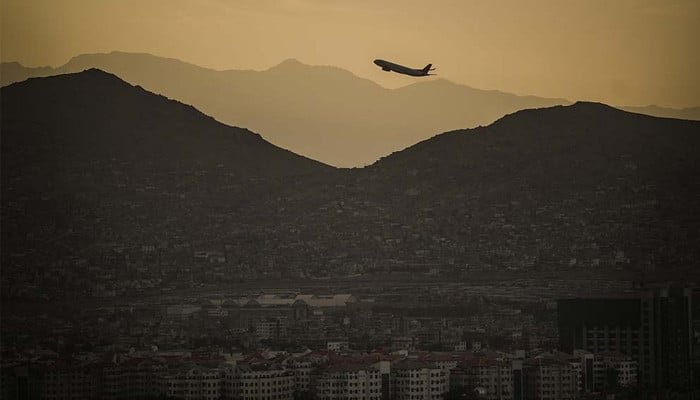
A plane takes off from Hamid Karzai International Airport in Kabul, Afghanistan on August 4, 2022, signaling the intense activity in the region. The Taliban government, facing financial constraints, has identified a valuable income source: Afghanistan’s airspace. This strategic move comes amidst escalating tensions between Israel and Iran, which have disrupted flight paths and raised concerns in the international community.
The potential windfall from controlling Afghanistan’s airspace presents a significant opportunity for the cash-strapped Taliban administration. By leveraging this valuable asset, they aim to boost revenue and support their governance objectives. This development underscores the complexities of regional geopolitics and the economic strategies employed by the Taliban in consolidating power and stability within Afghanistan.
As tensions between Israel and Iran ripple through the region, the Taliban’s focus on Afghanistan’s airspace highlights their efforts to capitalize on external dynamics. The intersection of military conflicts and economic interests underscores the multifaceted challenges facing Afghanistan’s new government. The control of airspace not only offers financial gains but also symbolizes authority and control in a volatile landscape.
The Taliban’s initiative to generate revenue from Afghanistan’s airspace raises questions about the economic implications of geopolitical dynamics. The interplay between national security concerns and financial interests underscores the delicate balance in navigating international relations. As the Taliban navigates these complex dynamics, the international community closely monitors the implications for regional stability and economic development.
With Afghanistan’s airspace emerging as a focal point for revenue generation, the Taliban government’s strategic maneuvering reflects their intentions to establish financial autonomy and leverage geopolitical shifts. The utilization of airspace as a revenue stream underscores the evolving economic strategies of the Taliban leadership. In this dynamic landscape, the intersection of political, economic, and security considerations continues to shape Afghanistan’s trajectory under the new administration.





Deixe um comentário