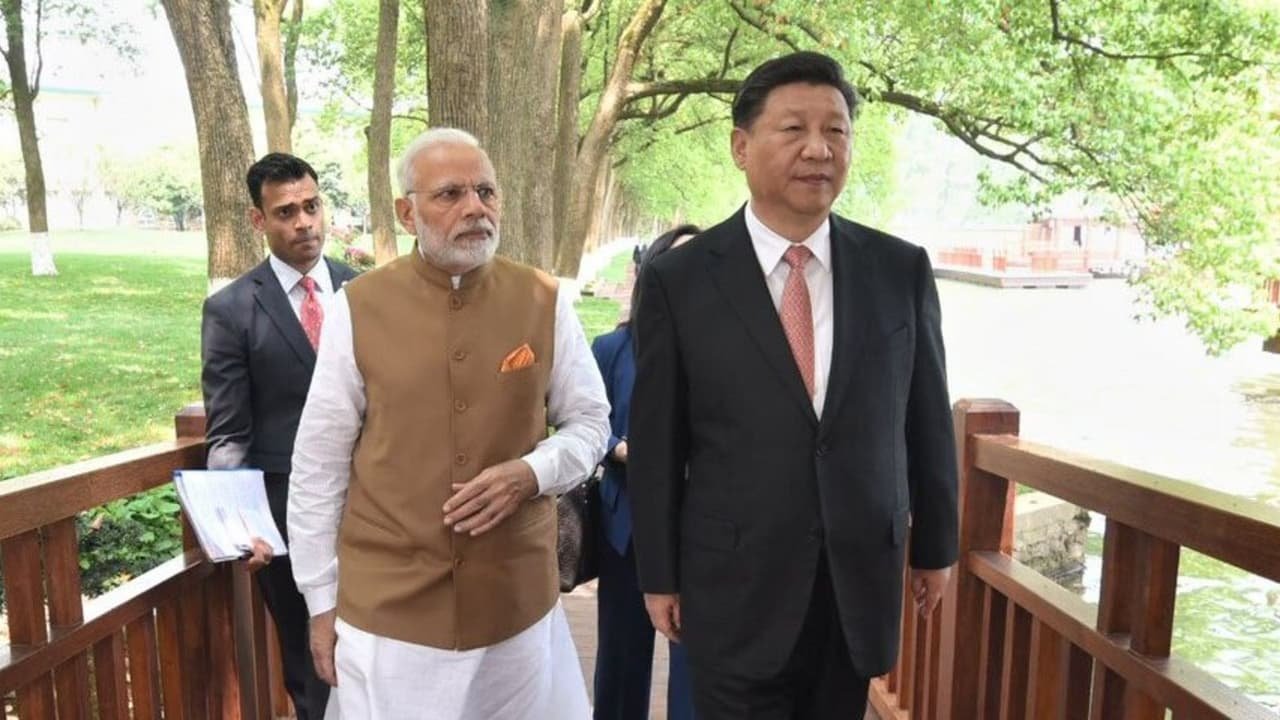
Prime Minister Modi’s recent meeting with Chinese President Xi Jinping has sparked speculation about the potential for a change in the dynamics of Asia. Modi extended an invitation to Jinping to visit India in 2025, raising questions about a possible strategic shift in the region. The meeting, held after a gap of 7 years, also included discussions on the invitation for the BRICS Summit in 2026 and the formulation of a new diplomatic strategy at the SCO Summit. This move comes on the heels of the Galwan incident, marking a significant step in post-conflict relations between the two nations.
The invitation extended by Modi to Jinping is seen as a significant diplomatic gesture that could potentially pave the way for a new era of cooperation and dialogue between India and China. With tensions running high in the region following the Galwan clash, the meeting signals a willingness on both sides to engage in strategic discussions and find common ground. The potential visit by Jinping to India in 2025 raises hopes for improved relations and a potential shift in the geopolitical landscape of Asia.
In addition to the invitation extended to Jinping, PM Modi’s strategic engagements with other key regional leaders such as Putin, Mujjo, and Oli indicate a concerted effort to strengthen diplomatic ties and navigate the complex political landscape of the region. These ongoing diplomatic meetings underscore the importance of multilateral dialogue and cooperation in addressing regional challenges and promoting stability in Asia.
As Modi and Jinping navigate the evolving dynamics of Asia, the outcomes of their strategic meetings and potential visits hold significant implications for the future of the region. The post-Galwan era presents a critical juncture for India-China relations, with both countries seeking to recalibrate their engagement and foster a more constructive dialogue. The BRICS Summit in 2026 and the SCO Summit discussions offer a platform for shaping a new diplomatic framework that could potentially redefine the Asian geopolitical landscape.
Overall, PM Modi’s recent overtures to Jinping and other regional leaders signal a proactive and strategic approach to diplomatic engagement in the region. The invitation for Jinping to visit India in 2025 and the ongoing diplomatic dialogues reflect a commitment to exploring avenues for cooperation and dialogue in a region marked by complex geopolitical dynamics. The potential for a new era of collaboration and strategic partnership in Asia looms large, with Modi’s diplomatic initiatives laying the groundwork for a recalibration of regional relationships and power dynamics.





Deixe um comentário