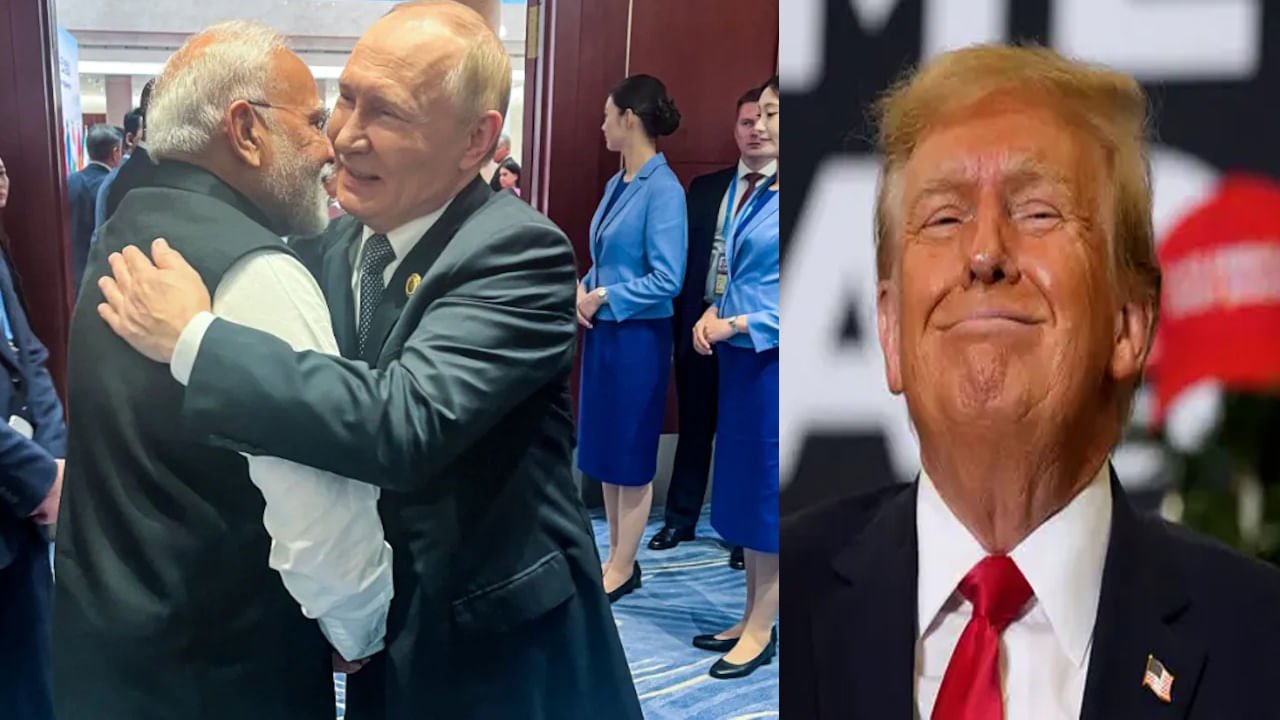
In the SCO summit in Tianjin, Chinese President Jinping and Russian President Putin met with Indian Prime Minister Narendra Modi for bilateral discussions. Concurrently, the US embassy in India issued a statement highlighting ‘enduring friendship’ between Washington and New Delhi.
Furthermore, the US imposed a 50% tariff on India as a response to the oil deal with Russia, straining relations between America and India. The gesture caused strains in bilateral ties with other countries as well, heightening tensions in the region. Trade relations with Russia have flourished as connections with America falter.
Amidst the geopolitical reshuffling, the meeting between Modi, Putin, and Jinping emphasized the need for stronger ties and cooperation. The US tariff on India highlights a shifting dynamic in international relations, showcasing the complexities of global diplomacy.
Foreign Minister Jaishankar remarked on the Modi-Putin summit, stating, ‘We are in touch with India; this is an indicator of our commitment to both countries.’ With ties between nations shifting, India emphasizes its relationship with both America and Russia to navigate the evolving international landscape.
As the SCO summit concluded, leaders Modi, Putin, and Jinping continued discussions on regional security and economic cooperation, underscoring the importance of strong partnerships in tumultuous times. The statements and meetings indicate a complex web of global diplomacy and power dynamics at play.


Deixe um comentário