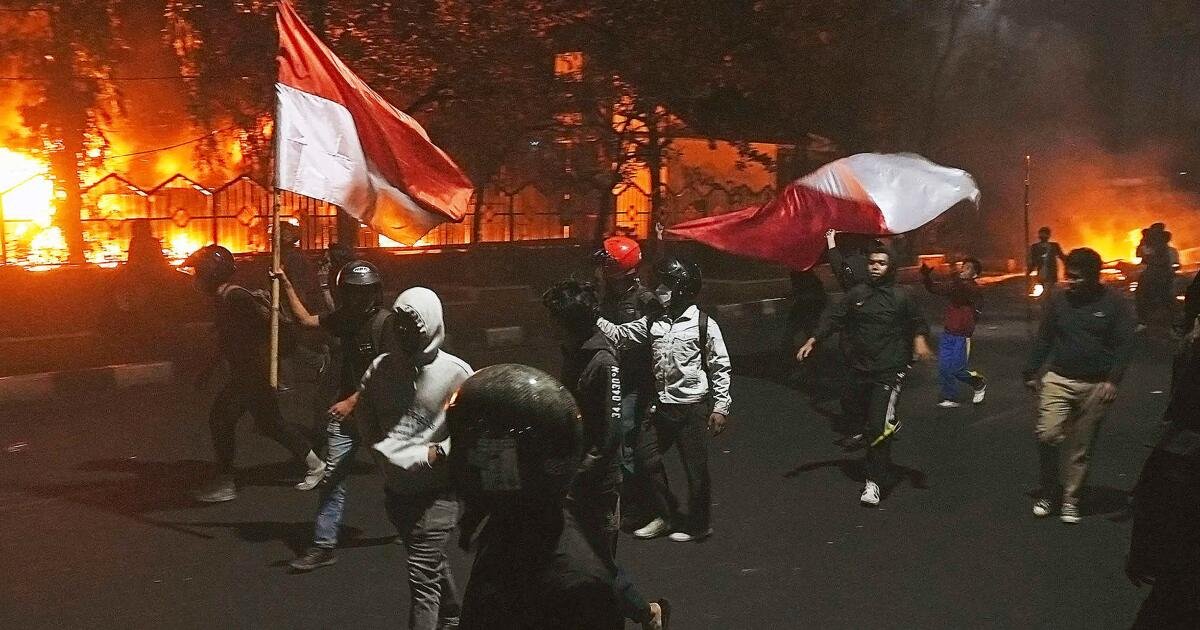
Protests in Indonesia, driven by economic struggles, have led to a concerning escalation as police have responded with excessive force. Spray-painted police trucks signal the growing tension between authorities and citizens. The heavy-handed approach has raised fears of Indonesia reverting to its authoritarian ways. Mass demonstrations have highlighted deep-rooted economic issues in the Southeast Asian nation, with protesters demanding change and expressing frustration over the struggling economy.
The violent crackdown on protesters has intensified the unrest, with clashes between police and demonstrators becoming frequent occurrences. The use of tear gas and water cannons against peaceful protesters has sparked outrage and drawn international attention. Human rights groups have condemned the police brutality and called for accountability. The escalation of tensions has heightened fears of a return to the repressive tactics of Indonesia’s past.
Amid the escalating violence, calls for economic reform and social justice have grown louder. The protests, initially focused on economic grievances, have evolved into a broader movement against government corruption and inequality. The crackdown on dissent has only fueled the determination of protesters, who remain resolute in their demands for change. International pressure is mounting on the Indonesian government to address the root causes of the unrest and uphold human rights standards.
The response of the Indonesian authorities to the protests has sparked widespread criticism and calls for reform. The excessive use of force by police has drawn condemnation from global leaders and amplified calls for justice and accountability. The crackdown on dissent has further eroded trust in the government and fueled a sense of urgency for meaningful reform. The ongoing protests reflect a deep-seated discontent with the status quo and a desire for a more just and equitable society.
As the protests continue to rock Indonesia, the need for dialogue and reconciliation becomes increasingly urgent. The violence and repression must give way to constructive engagement and a genuine commitment to addressing the grievances of the people. The path forward requires a willingness to listen to the concerns of the protesters and work towards meaningful and lasting solutions. The future of Indonesia hinges on the ability of its leaders to respond to the legitimate demands of its citizens with empathy and respect.




Deixe um comentário