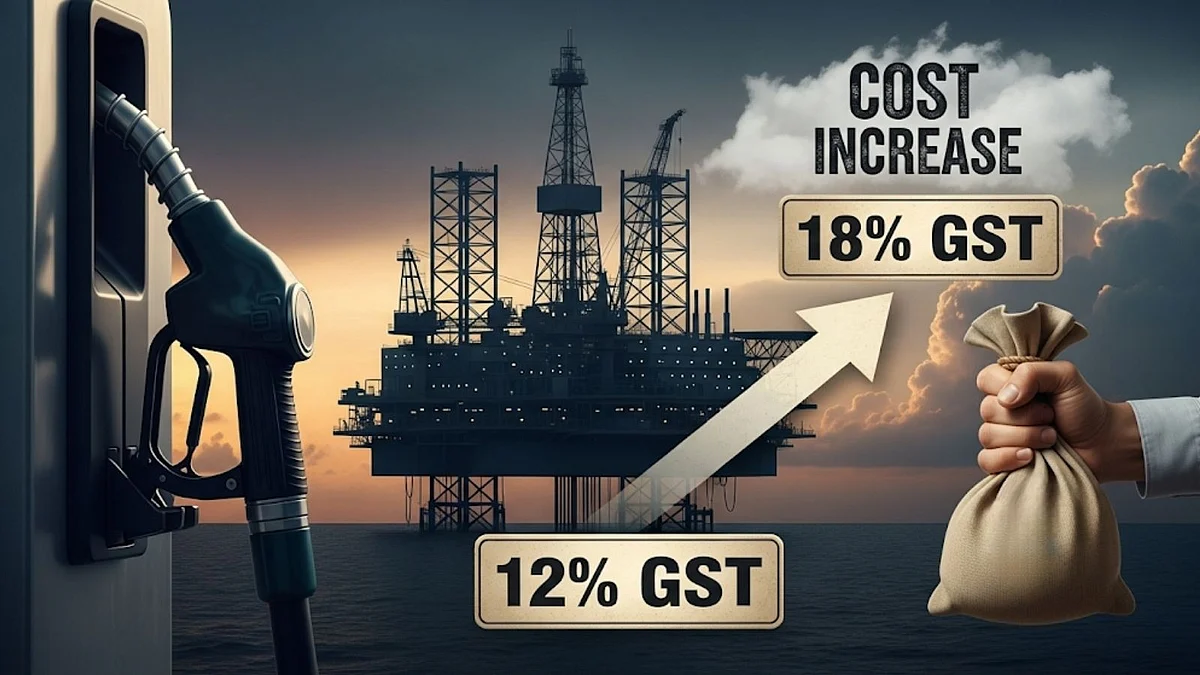
GST has been increased from 12% to 18% for oil and gas research and production activities, leading to speculation of higher fuel prices. This hike in taxes affects companies like ONGC and Oil India Limited, which are key players in the Indian oil and gas sector. The increase in GST is a decision made by the central government, impacting the pricing dynamics in the industry. Oil marketing companies and consumers are wary of the potential rise in petrol and diesel prices due to this tax hike.
Fuel prices have a significant impact on the economy and consumer spending. Any increase in petrol and diesel costs could lead to a surge in transportation and living expenses for the general public. The rise in GST for oil and gas-related activities has raised concerns about the overall inflationary pressures in the market. This move may also influence the competitiveness of Indian oil companies in the global market, as higher production costs could affect their pricing strategies.
The government’s decision to raise GST for oil and gas activities reflects its focus on revenue generation and fiscal management. However, this move could pose challenges for the oil and gas sector, especially in terms of cost implications. Companies in this sector may need to reassess their operational strategies and pricing models to accommodate the increased tax burden. Consumers are likely to bear the brunt of any potential fuel price hikes resulting from the higher GST rates.
In conclusion, the recent increase in GST for oil and gas research and production activities has stirred discussions about the possibility of a rise in fuel prices. This decision by the government may have implications for both businesses and consumers in the oil and gas sector. As the industry navigates through these changes, stakeholders will closely monitor the market dynamics to understand the long-term impact of these tax revisions on fuel prices.





Deixe um comentário