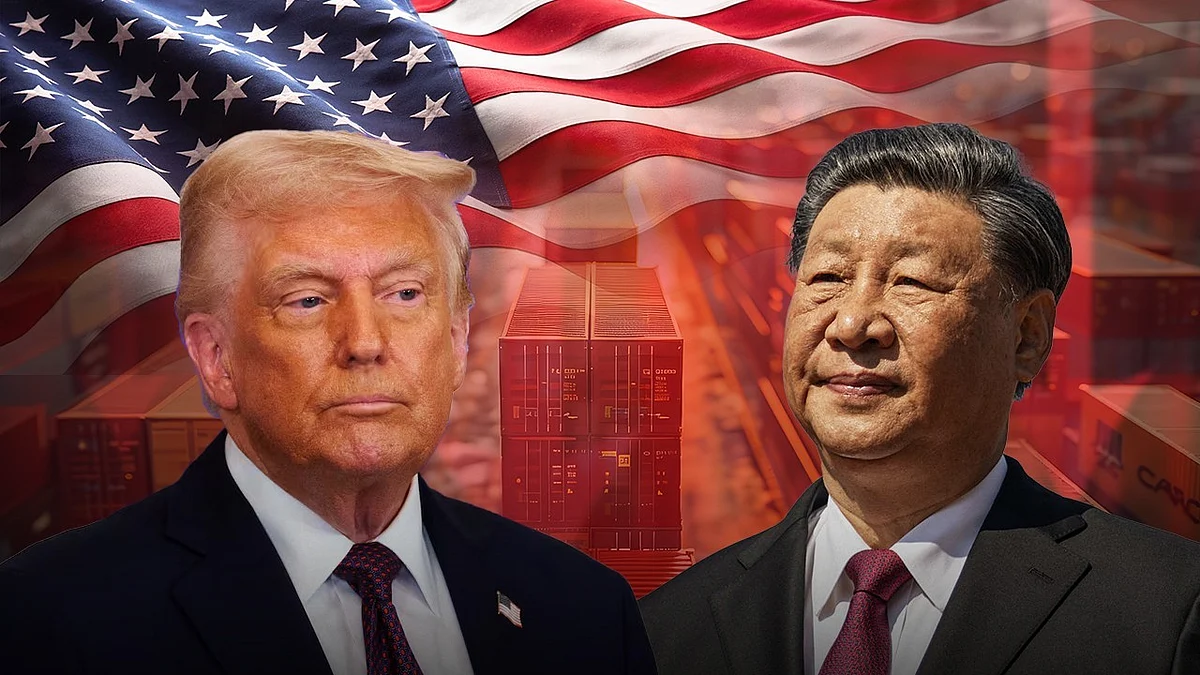
At the BRICS Trade Summit on Monday, Chinese President Xi Jinping made a veiled criticism towards the US, accusing a ‘certain country’ of attempting to disrupt the world economy through a trade war. The discussions at the summit focused on the global trade concerns triggered by the tariffs imposed by the United States. Xi Jinping’s comments were seen as a direct response to the policies of the Trump-led US administration.
During the virtual meeting, Xi Jinping warned against the dangers of nationalism and protectionism in international trade. He emphasized the need for countries to work together and promote economic cooperation for the benefit of all. The Chinese premier’s remarks highlighted the importance of upholding multilateralism and free trade, positioning China as a key advocate for global economic stability.
Xi Jinping’s speech at the BRICS summit underscored China’s commitment to fostering a peaceful and inclusive global trading environment. By addressing the risks posed by unilateral actions and trade conflicts, he signaled China’s stance against protectionist measures that could harm the interconnected world economy. The emphasis on cooperation and mutual respect echoed China’s diplomatic efforts to defuse trade tensions and promote collaboration among nations.
The ‘certain country’ mentioned by Xi Jinping, without directly naming the US, has been at the center of escalating trade disputes with multiple countries. By highlighting the negative impact of unilateralism and trade wars, Xi Jinping aimed to rally support for a more cooperative and harmonious approach to global trade. His remarks reaffirmed China’s stance on upholding international trade norms and fostering a conducive environment for sustainable economic growth.
As the world grapples with economic uncertainties exacerbated by the COVID-19 pandemic, Xi Jinping’s call for unity and dialogue resonated with the BRICS member nations. The summit provided a platform for leaders to exchange views on trade challenges and explore avenues for collaboration. Xi Jinping’s critique of protectionist tendencies marked China’s proactive engagement in shaping the future of international trade relations, emphasizing the need for a shared commitment to inclusive and equitable economic development.





Deixe um comentário