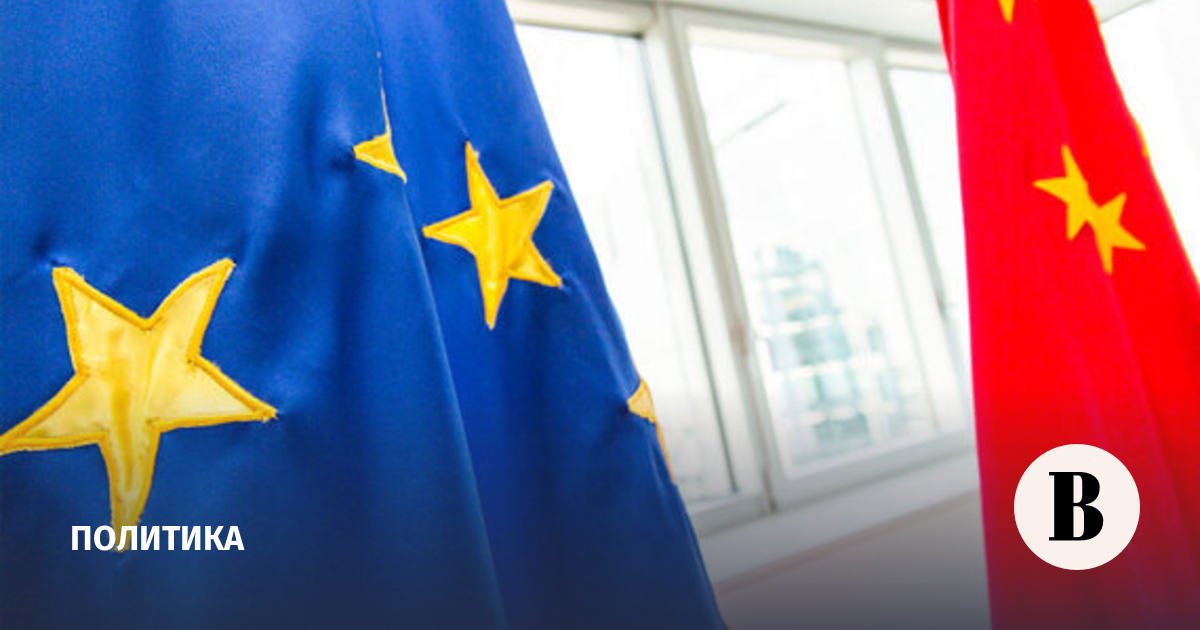
The European Union is considering the possibility of imposing secondary sanctions on China and other countries for purchasing Russian energy resources. Financial Times reported that European officials are discussing the introduction of restrictions, although they are unlikely to be implemented without coordination with the United States.
According to the publication, discussions on a new package of restrictions have been ongoing, with the aim of targeting entities involved in buying oil and gas from Russia. The EU seeks to find ways to deter countries like China from relying heavily on Russian energy supplies.
The potential sanctions are part of a broader effort to pressure Moscow over its actions in Ukraine and other geopolitical issues. However, the EU’s decision to consider sanctions against China raises concerns about the impact on EU-China relations and the global energy market.
The move reflects the EU’s growing concern about China’s increasing dependence on Russian energy resources, which could undermine the bloc’s efforts to reduce reliance on fossil fuels. It also demonstrates the EU’s commitment to aligning its foreign policy with that of the United States.
While the EU is in the early stages of discussing the sanctions, the final decision will depend on various factors, including the response from China and the United States. Any potential sanctions would need to be carefully coordinated to avoid negative consequences for all parties involved.
The potential sanctions highlight the complexities of global energy politics and the EU’s efforts to uphold its values while navigating complex international relations. The discussions underscore the challenges faced by the EU in balancing economic interests, security concerns, and diplomatic relationships in a rapidly changing geopolitical landscape.
Ultimately, the outcome of the deliberations will have far-reaching implications for the EU’s relationship with both China and Russia, as well as for the global energy market. The EU’s approach to addressing energy security and geopolitical tensions will continue to evolve as it grapples with the interconnected issues of energy dependence and international conflict.



Deixe um comentário