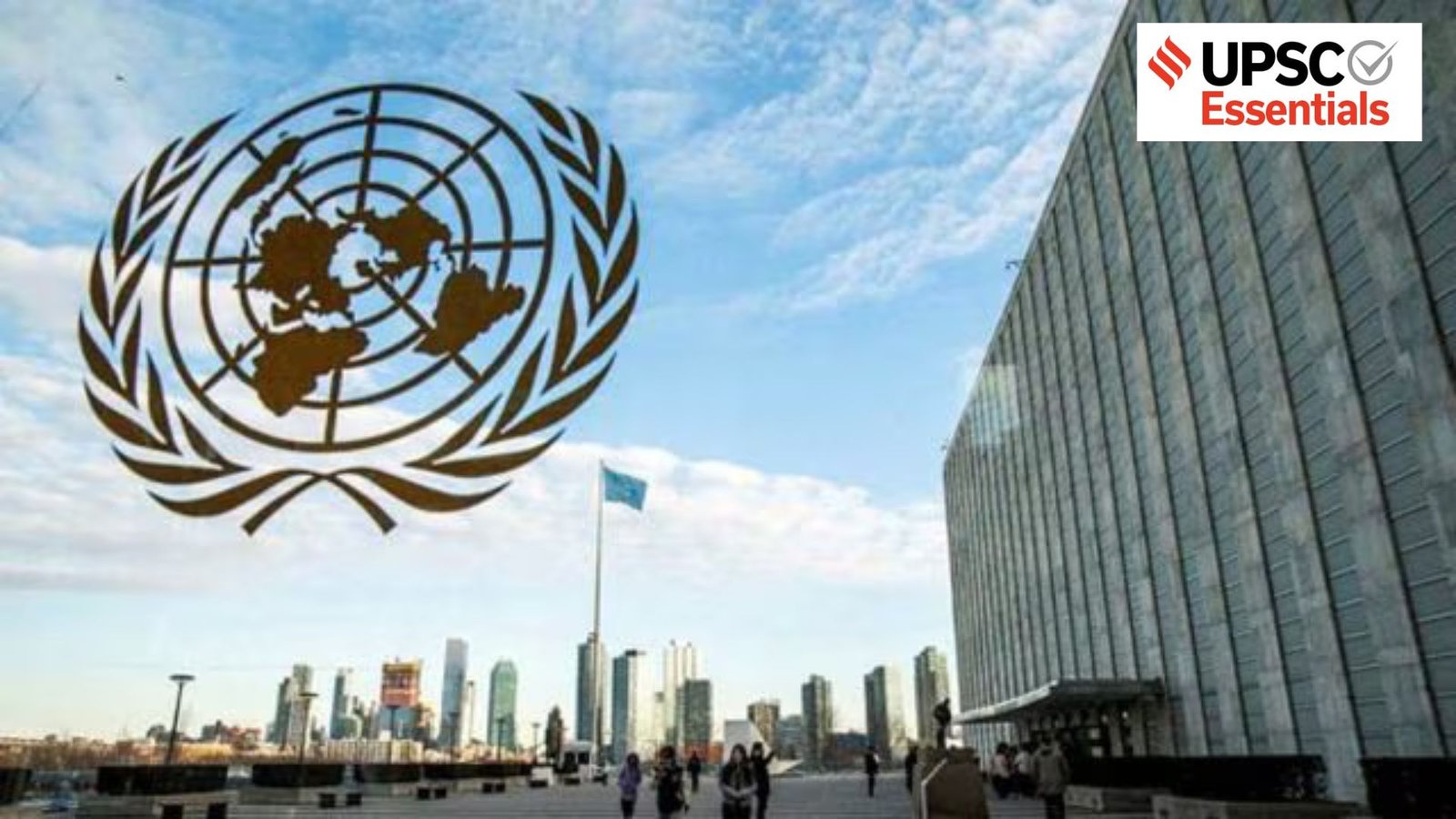
In an effort to prevent the failures of the past, the creators of the UN established a more robust organization. They granted universal membership, expanded powers, and established a Security Council with real influence. The decision to give veto power to the five permanent members was a strategic move to ensure major global players could maintain control over critical decisions. However, this system often reflects geopolitical divides more than unified global consensus, which has become a major challenge for the UN.
As the UN celebrates its 80th General Assembly, it is crucial to evaluate its historical importance and the ongoing struggle to maintain relevance in today’s world. One of the biggest challenges faced by the UN is the representation of voices from the Global South in an ever-changing geopolitical landscape. The disparities in power dynamics have often led to the Security Council mirroring the interests of a select few, rather than truly representing the diversity of global perspectives.
Despite its efforts to promote global cooperation and unity, the UN Security Council’s decision-making process is often marred by the influence of powerful nations. This dynamic results in divisions that reflect the geopolitical realities of the world, rather than fostering true global consensus. As the world continues to evolve, the UN must address these challenges to ensure that it remains a relevant and effective organization in promoting peace and cooperation worldwide.
The changing geopolitical landscape presents new complexities for the UN and its Security Council. While the organization aims to uphold principles of equality and representation, the power dynamics within the Council often favor certain nations over others. This imbalance can hinder the Council’s ability to achieve consensus and make decisions that truly reflect the interests of the global community at large.
As global issues become increasingly interconnected, the need for a truly inclusive and cooperative UN Security Council is more pressing than ever. The Council must strive to bridge geopolitical divides and work towards a shared global consensus on critical issues. Only through genuine collaboration and respect for diverse perspectives can the UN Security Council effectively fulfill its mandate to maintain international peace and security.


Deixe um comentário