Young protesters in Nepal, outraged by the repression of recent demonstrations, defied the government’s authority, destroyed public buildings, and brought chaos to the streets of the small Asian country, neighboring India. Buildings were set on fire, including the Supreme Court and Parliament, during the protests led by Generation Z, which ousted the country’s Prime Minister, K.P. Sharma Oli. The Ministry of Health in Nepal reported on Wednesday (10) that the death toll from this week’s anti-corruption protests in the country has risen to 25, with another 633 people injured. Here are five points to understand the crisis in Nepal: Corruption and weak economy The Himalayan country of Nepal, with 30 million people, has a turbulent political history and has witnessed over a dozen governments since transitioning from a monarchy to a republic in 2008 after a decade-long civil war. Part of the population is frustrated with the lack of opportunities and government corruption. The unemployment rate for young people aged 15 to 24 in Nepal was 20.8% in 2024 according to the World Bank. Nepal’s economy heavily relies on money sent by Nepalese citizens living abroad. Over one-third (33.1%) of Nepal’s GDP came from personal remittances, a number that has been steadily increasing over the past three decades. The country also heavily depends on tourism, much of it aimed at Mount Everest. Nepo Kids causing outrage Amid dissatisfaction with the weak economy and authorities, an online movement gained momentum against the so-called ‘Nepo Kids.’ Nepalese citizens started sharing videos showing politicians’ children flaunting luxurious lifestyles, a sharp contrast to the majority of the population. The term refers to nepotism when authorities’ relatives are appointed or favored in public positions. On social media, posts with the hashtag #NepoKids expose politicians’ children and call for discussions about the country’s scenario. Social Media Blockade The Nepalese government blocked social media platforms including Facebook, Instagram, WhatsApp, YouTube, and X, a move widely criticized by human rights groups. Authorities claimed the new rules were necessary to combat fake news and hate speech. Social media companies were also threatened with banning if they did not register with public authorities. As of last Thursday night (4), 26 platforms were offline, as reported by Nepalese media. After violent protests, the government reversed course and lifted the ban on the platforms. Wave of violence in protests Protests escalated this week as demonstrators clashed with police at the Parliament complex in the capital, Kathmandu. The acts turned violent with the burning of public buildings, including the house of former Prime Minister Jhalanath Khanal. His wife died from burns sustained in the fire, according to News 18, a CNN affiliate in India. Concerned, UN Secretary-General António Guterres called for a ‘full investigation’ and ‘restraint to prevent further escalation of violence’ in a statement posted on social media X. ‘I appeal to the authorities to uphold human rights laws. Protests must take place peacefully, respecting life and property,’ wrote Guterres. Resignation of the Prime Minister and the Future of Nepal Nepalese Prime Minister KP Sharma Oli announced his resignation on Tuesday (9) in a letter citing ‘the extraordinary situation’ in the country. The Minister of the Interior, Ramesh Lekhak, had already resigned on Monday (8) amid the wave of violence. The Ministers of Agriculture, Water, and Health also stepped down. Nepal abolished the monarchy in 2008 and adopted a new constitution in 2015, which faces challenges from critics. As there is currently no party with a clear majority, legislators are more likely to form a new interim government. Some Generation Z groups leading the protests could get involved in discussions about who will lead the country, according to Binay Mishra, an assistant professor of public policy at the Kathmandu University’s Faculty of Administration. Demonstrators also seek a reformulation of the current constitution, which allows amendments, but any changes require approval from Parliament.
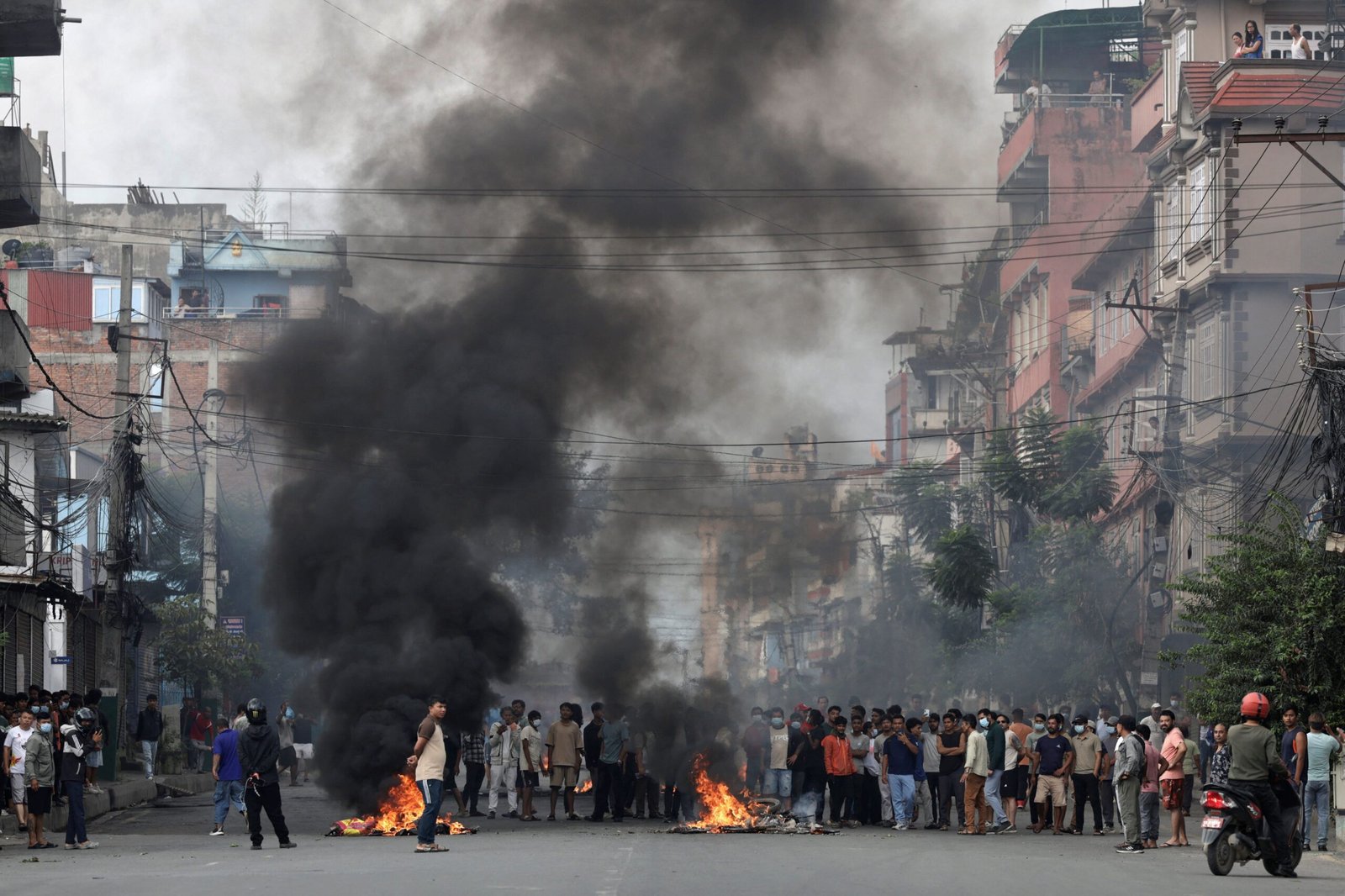
Understanding the Nepal Crisis in Five Points, Which Has Left Dozens Dead

-
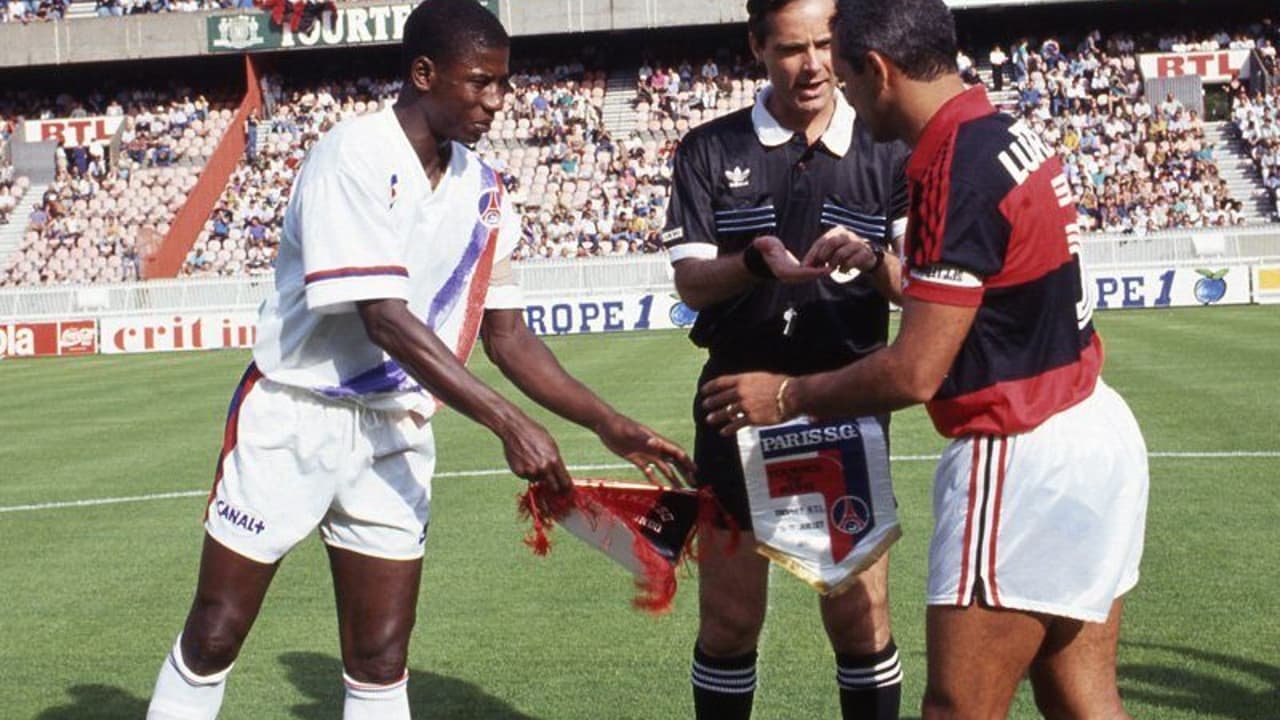
Flamengo and PSG have faced each other three times; check out their record
-

Indonesia Open Footgolf Tournament: Comedian Oki Rengga Admits Addiction, Wants to Become a Professional Athlete
-
Shameful Incident in Punjab! Landlord Rolls Tenant’s Daughter
-
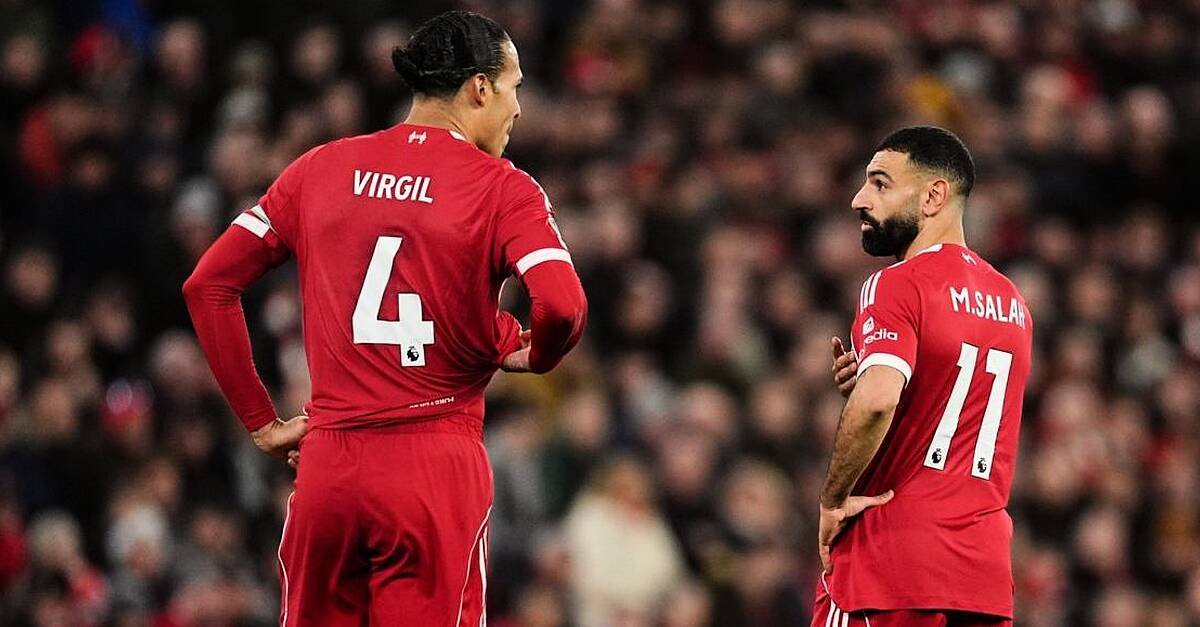
Virgil van Dijk Expresses Desire for Mohamed Salah to Stay at Liverpool
Deixe um comentário