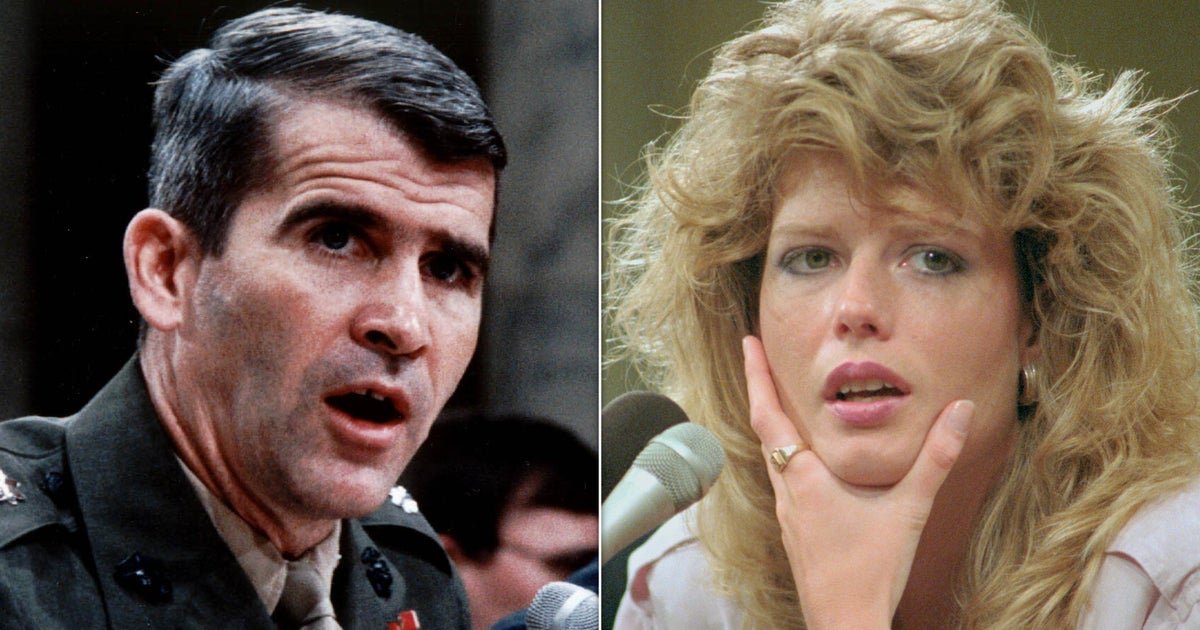
Oliver North and Fawn Hall, who played significant roles in the Iran-Contra firearms scandal of the 1980s, were married in a quiet ceremony last month. The news of their Aug. 27 wedding was first reported by journalist Michael Isikoff on his SpyTalk Substack on Monday. Isikoff’s revelation has sparked interest and nostalgia among those familiar with the scandal that shook the nation decades ago.
In response to inquiries about their marriage, Oliver North reportedly borrowed a famous line from a 1939 classic film, signaling a touch of humor amidst the seriousness of their past involvement in the scandal. The choice to keep their wedding low-key mirrors their discreet approach to their personal lives in recent years, following the intense public scrutiny they faced during the Iran-Contra affair.
The union between Oliver North and Fawn Hall, both known for their roles in the Iran-Contra episode, has reignited discussions about the scandal and its lasting impact on American history. Despite the passage of four decades since the controversy unfolded, the public’s curiosity about the key players has not waned, as evidenced by the widespread interest in the news of their marriage.
For many observers, the marriage between North and Hall represents a symbolic moment that closes a chapter on the Iran-Contra scandal, offering a glimpse of personal happiness and reconciliation after a tumultuous period in their lives. The unexpected pairing of these two central figures serves as a reminder of the complex and often paradoxical nature of history, where individuals can move beyond their past actions to find love and understanding.
As the news of Oliver North and Fawn Hall’s wedding continues to circulate, it serves as a reminder of the enduring fascination with the Iran-Contra affair and its enduring impact on the political landscape of the United States. The fact that these two figures, once at the center of a national scandal, have found a moment of joy and connection highlights the human side of history, where relationships and personal stories intersect with larger political narratives.

Deixe um comentário