If you had been lucky 74,000 years ago, you would have survived the Toba supereruption, one of the largest catastrophic events Earth has witnessed in the last 2.5 million years. Although the volcano is located in what is now Indonesia, its effects were felt far and wide, impacting the global climate and possibly leading to a volcanic winter. The aftermath of the Toba supereruption resulted in a significant drop in global temperatures and altered landscapes and ecosystems across the planet. Despite the immense challenges posed by the catastrophic event, archaeological evidence suggests that our ancestors managed to survive and adapt to the harsh conditions that followed. The ability of early humans to endure and overcome such a monumental disaster highlights the resilience and adaptability of our species throughout history. As researchers continue to uncover more about the Toba supereruption and its aftermath, it sheds light on the remarkable survival strategies employed by our ancient ancestors. Understanding how humans managed to navigate and thrive in the wake of such a catastrophic event provides valuable insights into our own capacity for resilience in the face of global challenges.
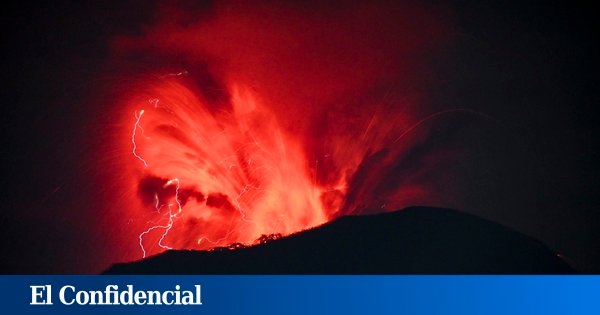
How Humans Managed to Survive One of Earth’s Greatest Catastrophic Events

-

Flamengo and PSG have faced each other three times; check out their record
-

Indonesia Open Footgolf Tournament: Comedian Oki Rengga Admits Addiction, Wants to Become a Professional Athlete
-

Shameful Incident in Punjab! Landlord Rolls Tenant’s Daughter
-

Virgil van Dijk Expresses Desire for Mohamed Salah to Stay at Liverpool
Deixe um comentário