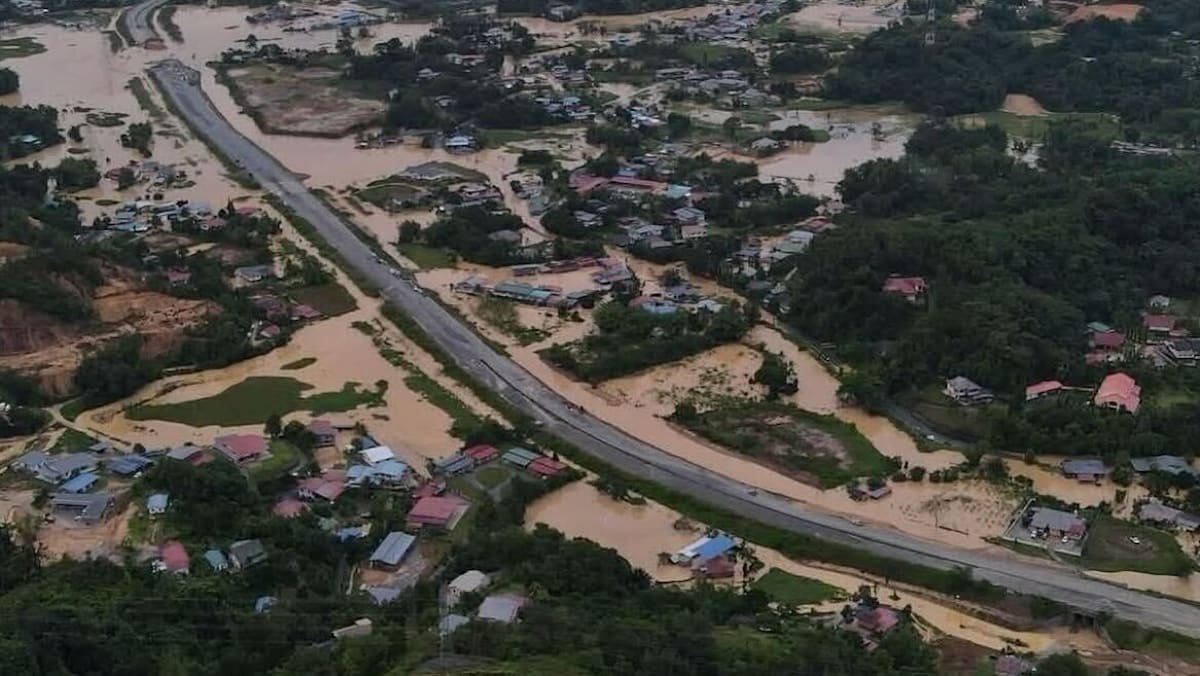
Singapore has been witnessing a disturbing trend in Southeast Asia as the death toll in Sabah from floods and landslides rises to 12. These tragic incidents are part of a series of natural disasters that have recently hit the region. Indonesia’s Bali suffered severe flooding, claiming 17 lives, while Vietnam and Thailand reported fatalities due to Typhoon Kajiki’s aftermath.
The situation in Sabah escalated due to non-stop rain, leading to widespread flooding and landslides in various areas of the Borneo state since September 12. Authorities are working tirelessly to assess the damage and provide assistance to affected communities. Prime Minister Anwar Ibrahim described the situation as a ‘national disaster,’ emphasizing the urgent need for coordinated efforts to address the crisis.
Experts warn of a ‘new normal’ in Southeast Asia, where extreme weather events are becoming increasingly frequent and severe. Climate change is likely exacerbating these disasters, making them more challenging to predict and manage. Urgent action is needed to minimize the impact of such catastrophes and protect vulnerable populations from the devastating consequences.
The recent spate of natural disasters serves as a stark reminder of the urgent need for stronger disaster preparedness measures in the region. Governments must prioritize investments in infrastructure resilience, early warning systems, and community education to mitigate the risks posed by extreme weather events. Collaborative regional efforts are essential to address the transboundary nature of these disasters and ensure a coordinated response.
As Southeast Asia grapples with the aftermath of these crises, there is a growing recognition of the importance of sustainable development practices to build resilience against future disasters. Enhancing environmental conservation, promoting climate adaptation strategies, and fostering international cooperation are key steps towards creating a more resilient and secure future for the region.
The devastating impact of the Sabah landslides and floods underscores the need for immediate action to address the growing climate crisis. The loss of lives and damage to property highlight the vulnerabilities faced by communities in the face of extreme weather events. It is crucial for governments, organizations, and individuals to come together to support recovery efforts and build a more sustainable, disaster-resilient Southeast Asia.
In the wake of these tragic events, there is a renewed sense of urgency to address the underlying factors contributing to the increasing frequency and intensity of natural disasters in the region. By prioritizing climate action, investing in disaster risk reduction, and fostering international collaboration, Southeast Asia can work towards a more secure and sustainable future for all its inhabitants.





Deixe um comentário