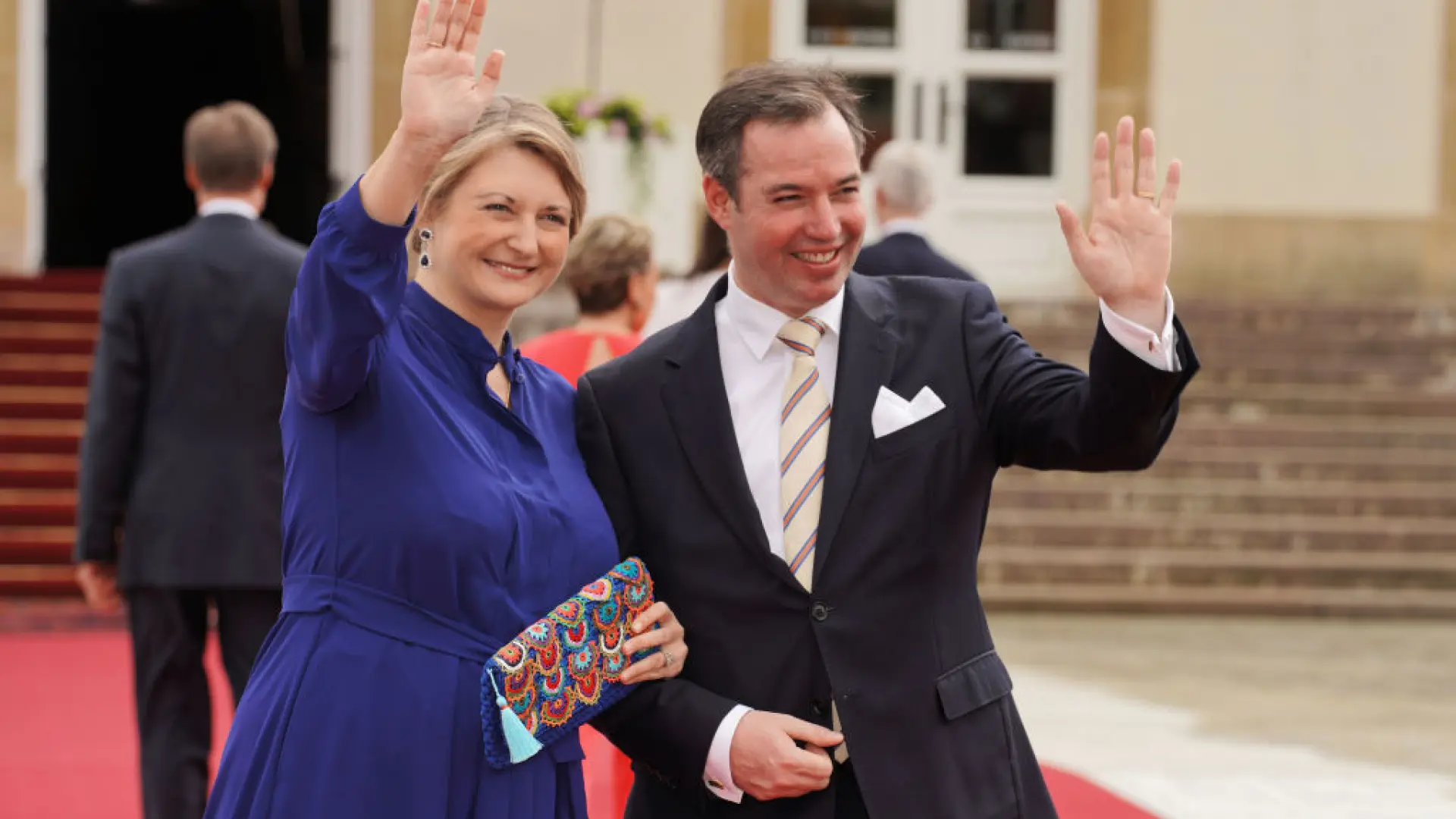
It was this past Monday when the Luxembourg monarchy officially announced the upcoming events and attendees for October 3, a date marked in red for the history of the central European country. It will be a Friday when the Spanish royals, King Felipe, and Queen Letizia, along with the British Royal Family, will be absent from the ceremony. However, other monarchies with closer ties to the duchy, such as Belgium and the Netherlands, will be present. This will also be one of their first international engagements since their respective heirs’ appointments.
The absence of King Felipe, Queen Letizia, and the British Royal Family from Guillermo de Luxemburgo’s proclamation has sparked curiosity among royal watchers. Despite being significant figures in European royalty, their non-attendance has raised questions about the reasons behind their decision. While their absence may lead to speculation, the presence of other monarchies with deeper connections to Luxembourg highlights the importance of this event within European royal circles.
The proclamation of Guillermo de Luxemburgo as the country’s ruler on October 3 is a highly anticipated event that will shape the future of Luxembourg. The presence of monarchies from neighboring countries like Belgium and the Netherlands underscores the unity and support within European royalty, despite the absence of King Felipe, Queen Letizia, and the British Royal Family. As Luxembourg prepares for this historic day, the focus remains on the significance of the proclamation and the role it will play in shaping the country’s future.
While King Felipe, Queen Letizia, and the British Royal Family will not attend Guillermo de Luxemburgo’s proclamation, their absence does not diminish the importance of the event. Instead, it highlights the diversity and breadth of European royalty, with different monarchies coming together to celebrate the country’s milestone. As Luxembourg marks this significant day in its history, the presence of other royal families emphasizes the unity and shared heritage that binds European monarchies together. The absence of some royals only serves to underscore the significance of Guillermo de Luxemburgo’s proclamation in the wider European royal landscape.


Deixe um comentário