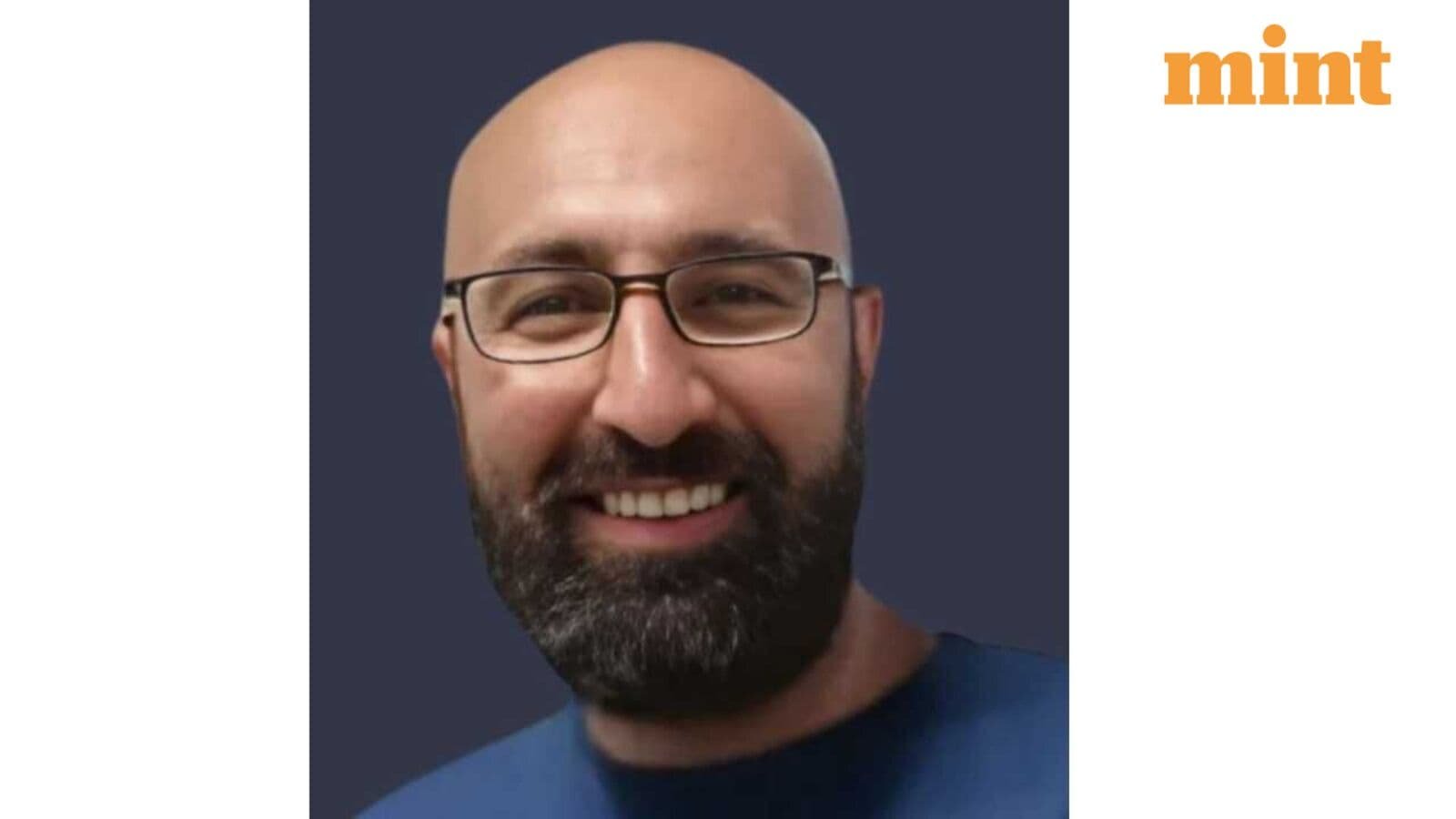
Iran confirmed the execution of Babak Shahbazi on Wednesday, accusing him of espionage for Israel. Activists, however, dispute the claim, stating that Shahbazi was subjected to torture, leading to a coerced confession. Babak Shahbazi, a political prisoner, was being held in Qezel Hesar Prison, according to the Abdorrahman Boroumand Center.
The case of Babak Shahbazi has brought attention from human rights activists, who assert that his execution was unjust and based on false accusations. Shahbazi’s supporters argue that he was targeted for his political beliefs and that the espionage charges were fabricated to silence dissent. Despite protests against his execution, Iranian authorities proceeded with the sentence, sparking further outrage.
Critics of Iran’s judicial system have long raised concerns about unfair trials, forced confessions, and executions based on dubious evidence. The case of Babak Shahbazi adds to these criticisms, highlighting the need for reforms to ensure justice and human rights in the country. International organizations have condemned Shahbazi’s execution and called for a thorough investigation into the allegations of torture.
The Babak Shahbazi case underscores the challenges faced by political prisoners in Iran, where dissent and activism are met with harsh repression. The lack of transparency in the legal proceedings against Shahbazi has raised suspicions about the fairness of his trial and the legitimacy of the espionage charges. Human rights groups continue to demand accountability for Shahbazi’s death and push for reforms to protect the rights of all prisoners.





Deixe um comentário