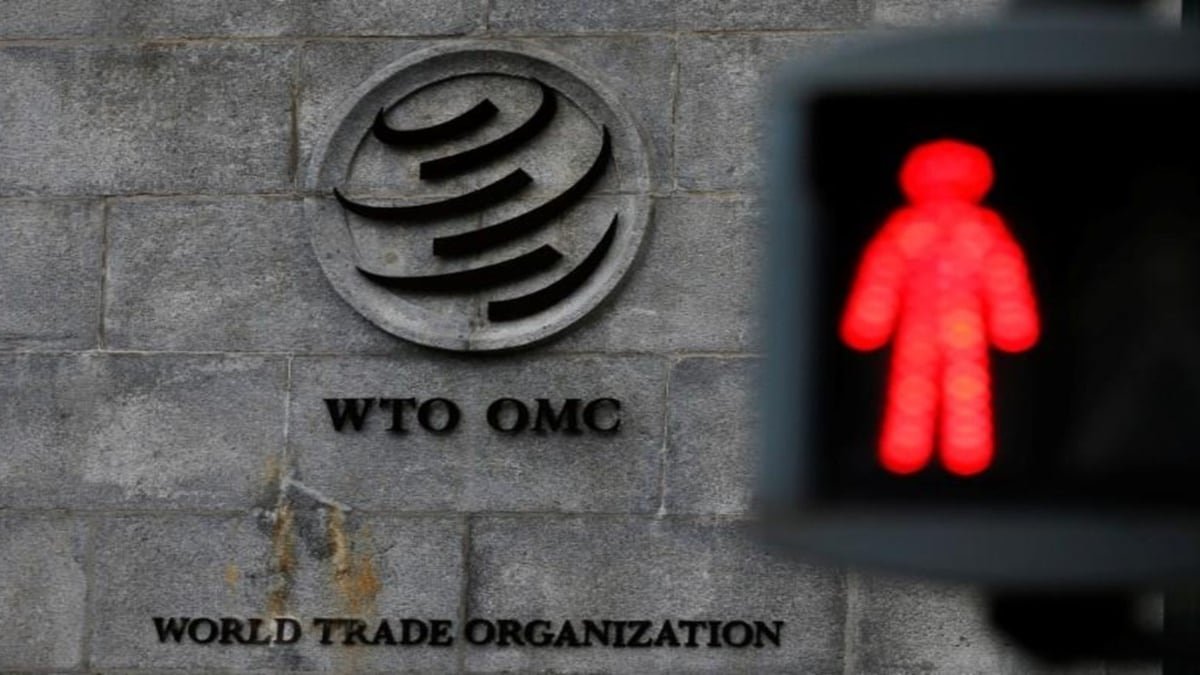
The Director General of the World Trade Organisation (WTO), Ngozi Okonjo-Iweala, strongly criticized India, South Africa, and Turkey for their actions that blocked the Investment Facilitation for Development (IFD) Agreement. She expressed concerns that these countries’ decisions are negatively affecting the ability of poorer nations to attract much-needed investments. India, in particular, has defended its position by stating that the pact could potentially undermine its policy autonomy and the established consensus rules within the global trade arena.
Okonjo-Iweala emphasized the importance of the IFD pact in promoting and facilitating investments in developing countries, which are crucial for their economic growth and development. By obstructing this agreement, India, South Africa, and Turkey are limiting opportunities for these nations to improve their economies and attract foreign investments. The decision to block the pact has raised questions about the commitment of these countries to supporting the growth and prosperity of less developed nations around the world.
India’s argument that the IFD pact could infringe upon its policy autonomy highlights the complex dynamics at play in global trade negotiations. While countries aim to protect their sovereignty and policymaking powers, they also need to consider the broader implications of their actions on the global economic landscape. The debate surrounding this investment agreement reflects the ongoing challenges faced by the WTO in balancing the interests and concerns of its diverse membership.
The criticisms directed at India, South Africa, and Turkey by the WTO chief underscore the need for greater collaboration and cooperation among member countries to address key issues affecting global trade. By working together to find common ground and solutions, nations can create a more inclusive and supportive environment for investment and development. The current impasse over the IFD pact serves as a reminder of the importance of engaging in constructive dialogue and negotiations to overcome differences and promote shared prosperity.





Deixe um comentário