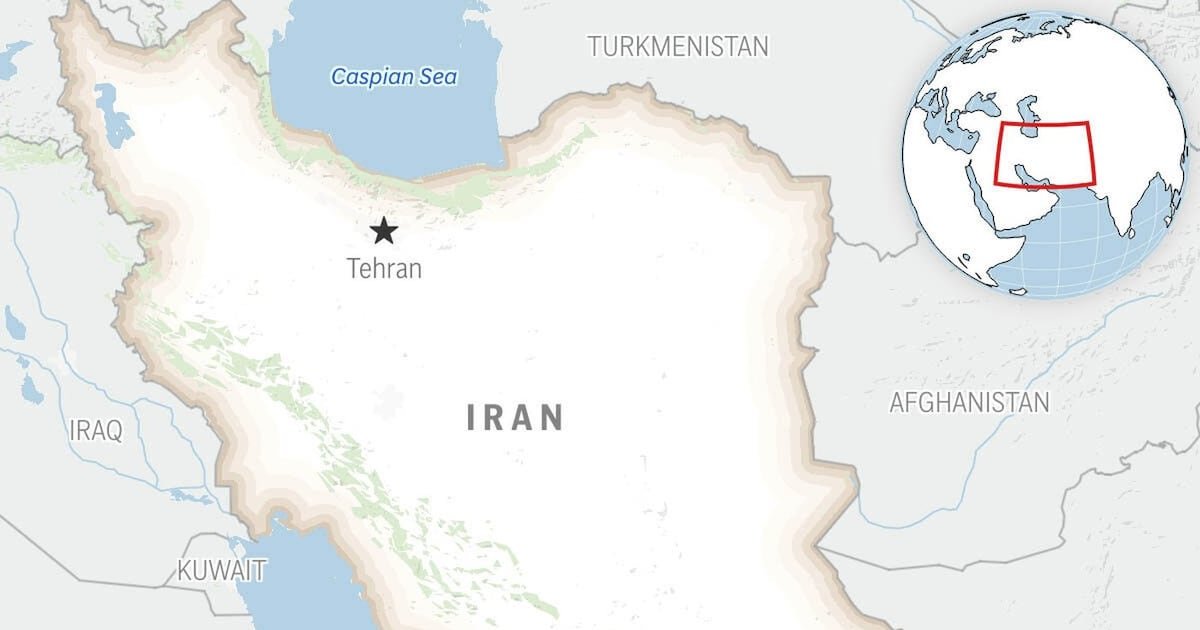
Iran announced on Wednesday the execution of a man it claims was spying for Israel, despite conflicting reports from activists questioning the validity of the allegations. The executed individual allegedly wrote a letter to Ukrainian President Volodymyr Zelenskyy expressing his willingness to fight for Kyiv, which some believe led to his arrest and subsequent confession under duress. Human rights organizations have raised concerns about the lack of due process and potential torture in extracting the confession.
The disputed case has raised international scrutiny over Iran’s judicial system and its approach to espionage accusations. Critics argue that the execution may have been politically motivated, especially given the individual’s purported offer to support Ukraine in its conflict with Russia. Calls for transparency and fair trials have intensified in light of this controversial incident, with activists demanding accountability for alleged human rights abuses in Iran’s legal proceedings.
Amidst the debate surrounding the execution, Iran stands by its decision, claiming that the accused was a spy working for Israel and posed a threat to national security. The Iranian government has defended its actions, dismissing allegations of torture and coercion as unfounded. Despite international condemnation, Tehran asserts its sovereign right to protect state interests through decisive measures against alleged foreign agents.
The case underscores the complexities of espionage allegations and the challenges in verifying claims of foreign intelligence activities. The lack of independent scrutiny in such cases amplifies concerns about potential miscarriages of justice and abuse of power. Efforts to address these issues require transparent investigations and adherence to international legal standards to ensure the protection of individuals’ rights and fair treatment.
As the controversy continues to unfold, human rights advocates and legal experts stress the importance of upholding due process and impartiality in handling espionage cases. The execution of the accused individual for alleged spying for Israel may serve as a cautionary tale about the risks of unchecked state powers and the need for robust safeguards to prevent abuses in criminal proceedings.




Deixe um comentário