The Chamber of Deputies resumed on Wednesday (17), through a procedural maneuver, the original text of the Shielding Amendment and reinstated the secret vote in the analysis of the opening of processes against parliamentarians. With the approval of 314 deputies and in an articulation of Centrão’s leadership, the final proposal of the House provides that deputies and senators can only be criminally prosecuted with the approval of the chamber of the parliamentarian – Chamber or Senate, depending on the case. According to the text, the vote will be secret, without the nominal registration of votes, and must take place within 90 days. The text of the Amendment had already been approved, in two rounds, throughout Tuesday night (16). This morning, deputies concluded the analysis, and now the Amendment will move on to the Senate. There, the text will have to go through the Constitution and Justice Committee (CCJ), where the chairman of the committee is already showing reluctance, and through the plenary. If approved by the senators, the proposal can be directly promulgated by Congress – without going through the approval or veto of President Lula (PT). The proposal, approved this Wednesday, expands the protection of parliamentarians in the Judiciary as a response to the advance of the Supreme Federal Court (STF) in actions against deputies and senators. The Amendment partially reintroduces the text that was in force in the Constitution between 1988 and 2001, which established that deputies and senators could only be criminally prosecuted with prior authorization. The text extends the privileged forum to the national presidents of parties with elected parliamentarians. The measure will allow them to be criminally judged only by the Supreme Court. In addition, the Amendment also changes the analysis of the arrests of parliamentarians in the act, also establishing that the vote will be secret. The Constitution allows deputies and senators to be arrested in case of a flagrant and intransigent crime, provided that the Congress validates the detention. Currently, the analysis is done in an open vote. According to the approved proposal, the vote would no longer have the nominal registration of votes. Another controversial point of the proposal, in the assessment of deputies and transparency entities, establishes that precautionary measures against congressmen can only be decreed by order of the STF. Parliamentarians claim that the measure may hinder orders against parliamentarians in the civil sphere, such as cases of administrative improbity. The President of the Chamber, Hugo Motta (Republicanos-PB), actively worked to approve the proposal, allowing semi-presential voting and even participating in the negotiation of the procedural maneuver that reinstated the secret vote. On Tuesday, during the analysis of the Amendment’s basic text, Motta stated that the proposal was nothing more than a “return to the constitutional text of 1988.” The House president assessed that the issue gathered support from various parties and would serve for the “strengthening of our parliamentary mandate.” Secret vote reinstatement The reinstatement of the secret vote in the analysis of processes was agreed upon by Centrão’s leadership and the rapporteur in a meeting with the Chamber’s president this morning. The group mapped votes and drafted a consolidating amendment, which was analyzed in the highlight phase this Wednesday. The procedural maneuver served for the Chamber to reinstate the original text of the rapporteur, Cláudio Cajado (PP-BA), which had been overturned on Tuesday night (16). Parliamentarians supporting Motta’s measure claim that the secret vote is a way to avoid embarrassments – both in rejecting the opening of actions and in approval. The voting process had been modified after a defeat to Motta’s allied group during the analysis of the second round of the Shielding Amendment. At that time, the House did not gather enough votes to maintain Cajado’s text and excluded the secret vote for the analysis of criminal processes against deputies and senators. Motta’s decision to submit the leadership agreement to a vote led to a series of criticisms within the Chamber’s plenary. There were six points of order about the legality of the maneuver. The deputy rejected all and stated that the text was legitimate in the political, legal, and procedural spheres. At a certain point in the session, the leader of the PT in the Chamber, Lindbergh Farias (RJ), even said that, with Motta’s course of action, the next step would be to file an appeal with the Chamber’s CCJ and the STF.
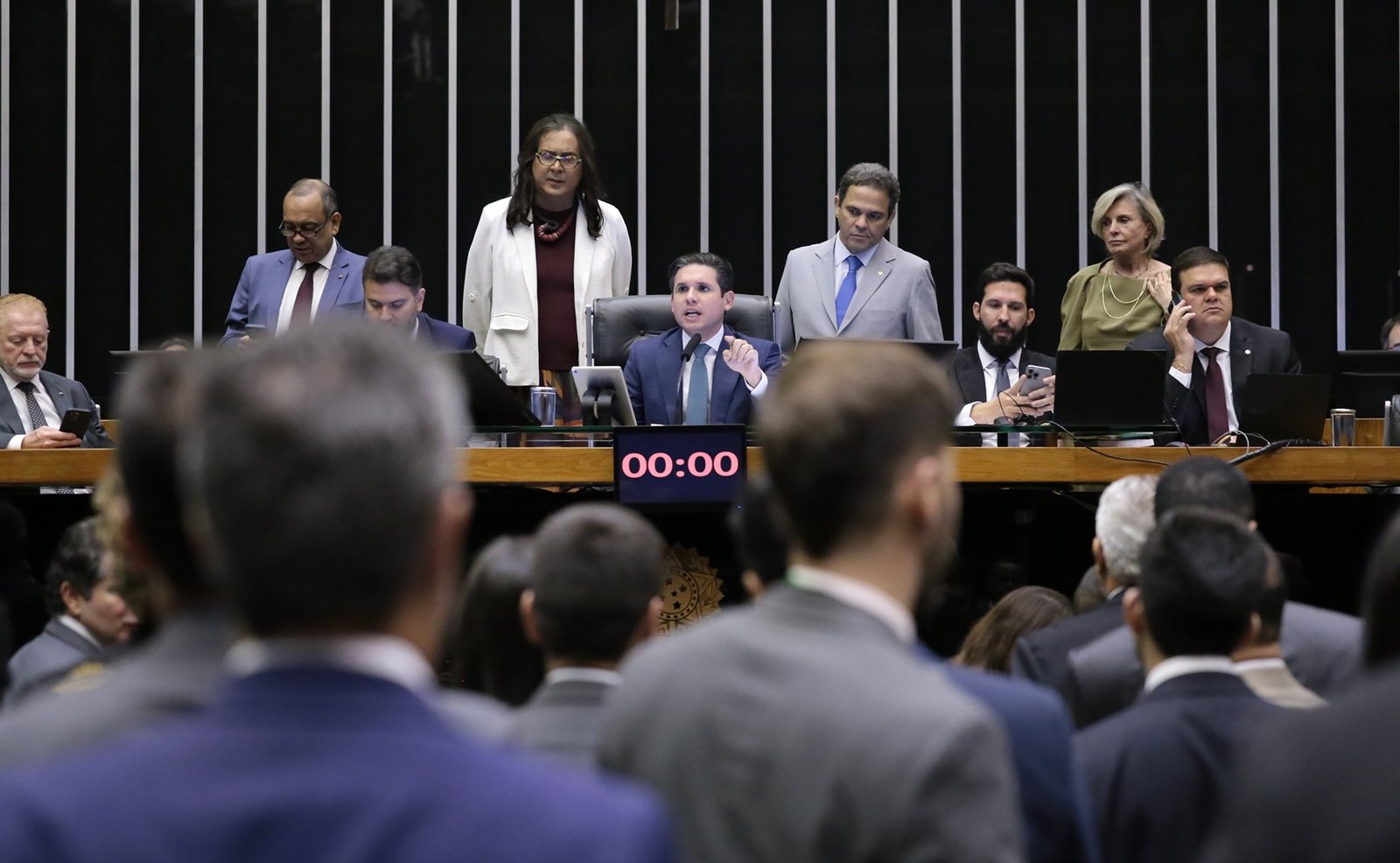
Centrão maneuvers to pass Shielding Amendment: Secret vote reinstated in Chamber for opening processes and text goes to Senate

-

Flamengo and PSG have faced each other three times; check out their record
-

Indonesia Open Footgolf Tournament: Comedian Oki Rengga Admits Addiction, Wants to Become a Professional Athlete
-

Shameful Incident in Punjab! Landlord Rolls Tenant’s Daughter
-

Virgil van Dijk Expresses Desire for Mohamed Salah to Stay at Liverpool
Deixe um comentário