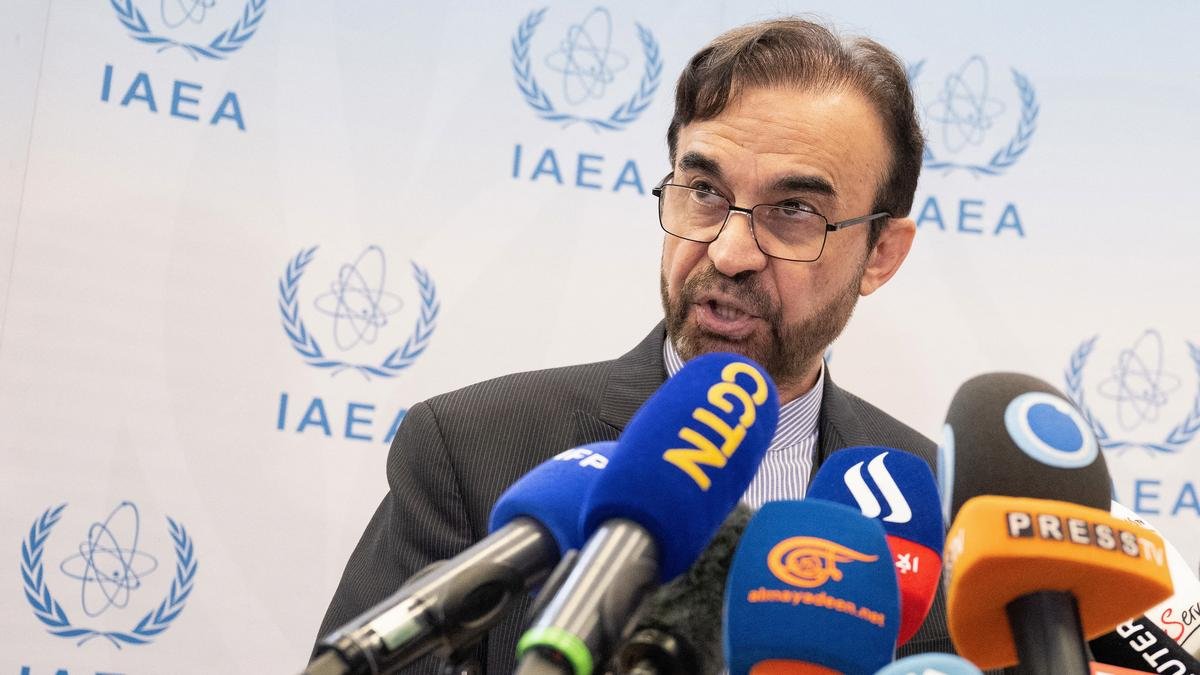
Iran made a last-minute decision on Thursday, September 18, 2025, to withdraw a resolution they had proposed along with China, Russia, and other nations to stop attacks on nuclear sites. The resolution was set for a vote at the annual U.N. gathering. The U.S. took action to prevent the resolution’s adoption and even went as far as threatening to cut funding to the International Atomic Energy Agency (IAEA). This move by Iran to withdraw the resolution came following significant pressure from the United States.
The United States reportedly lobbied aggressively against the resolution, aiming to block its approval and prevent any restrictions on potential military actions against Iran’s nuclear facilities. Along with lobbying efforts, the U.S. threatened to cut funding to the IAEA as a means of influencing the situation. This aggressive stance by the U.S. played a pivotal role in Iran’s decision to retract the resolution.
As a response to Iran’s withdrawal of the resolution, allies of the U.S., including European nations, decided to reimpose United Nations sanctions on Iran. The reinstatement of these sanctions represents a united front among key international players against Iran’s nuclear ambitions. The move signals a clear message to Iran regarding the global stance on the protection of nuclear sites and the consequences of aggressive actions in the region.
The withdrawal of the resolution and the subsequent reimposition of U.N. sanctions mark a turning point in the ongoing discussions surrounding Iran’s nuclear program. This development underscores the delicate balance of power and influence within the international community regarding nuclear safety and security. The actions taken by Iran, the U.S., and its allies highlight the complex dynamics at play in the debates and decisions surrounding nuclear proliferation.
The U.S. pressure on Iran and the withdrawal of the resolution showcase the intricate geopolitical tensions surrounding the issue of nuclear capabilities and safeguarding critical infrastructure. The events demonstrate the lengths to which nations are willing to go to assert their interests and maintain control over global nuclear regulations. The repercussions of these actions are likely to reverberate throughout international relations and diplomatic negotiations in the foreseeable future.
In conclusion, Iran’s decision to withdraw the resolution banning attacks on nuclear sites under U.S. pressure has far-reaching implications for global security and diplomatic relations. The interactions between Iran, the U.S., and other international actors reveal the complexities and challenges inherent in addressing nuclear proliferation and safeguarding vital infrastructure. The developments surrounding this resolution withdrawal serve as a stark reminder of the heightened tensions and high stakes involved in managing and controlling nuclear capabilities on a global scale.



Deixe um comentário