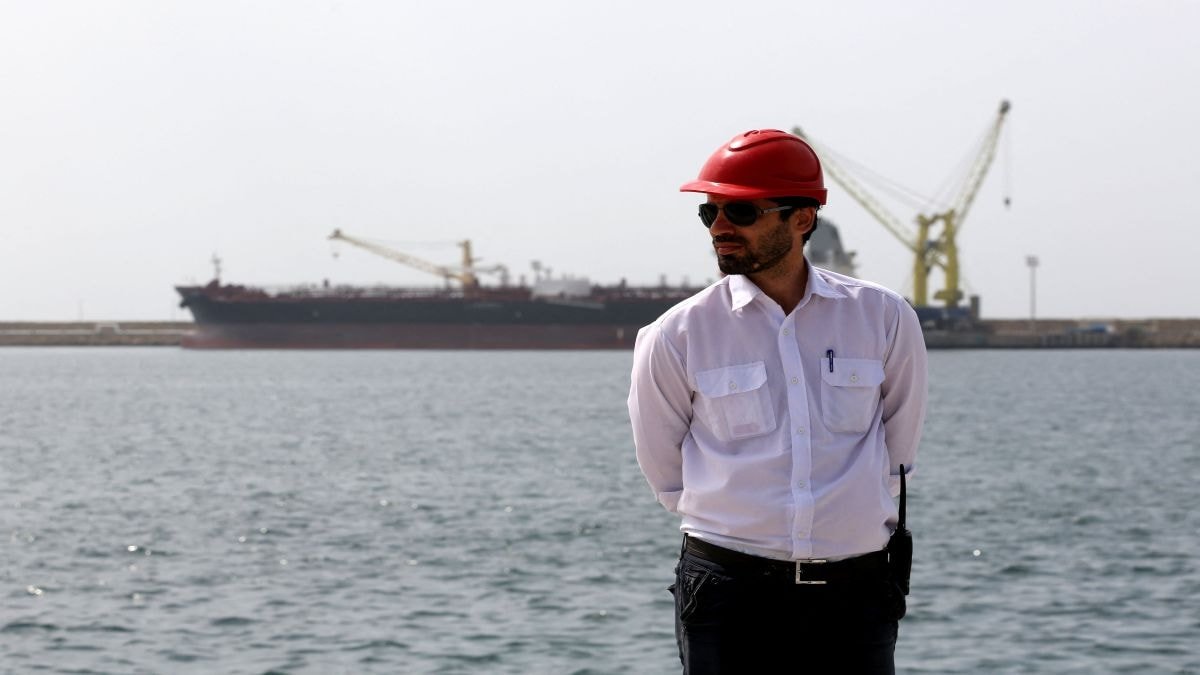
The decision by the US administration, under the leadership of President Donald Trump, to revoke the sanctions waiver on Iran’s Chabahar port has significant implications. While aimed at Iran, this move will also have negative repercussions for India, both economically and strategically. New Delhi has heavily invested in the development of the port, which serves as a crucial link for connectivity to Afghanistan and other Central Asian countries, bypassing Pakistan.
President Trump, in a recent statement, emphasized his close relationship with India and its Prime Minister. However, despite these assurances, tensions persist between the two nations due to various geopolitical factors. The revocation of the sanctions waiver further complicates the relationship, posing challenges for India’s regional connectivity initiatives and trade prospects.
The Chabahar port plays a crucial role in India’s efforts to enhance connectivity with Central Asia, especially Afghanistan. By withdrawing the sanctions waiver, the US administration not only targets Iran but also impedes India’s strategic interests. The port is a key component of India’s geopolitical ambitions in the region, and the removal of the waiver disrupts these plans, forcing New Delhi to reassess its strategic priorities.
India’s investments in the Chabahar port were aimed at reducing its dependence on Pakistan for access to landlocked Afghanistan. The withdrawal of the sanctions waiver jeopardizes these efforts and undermines India’s strategic calculus in the region. The economic impact on India, coupled with the strategic implications of this decision, underscores the complex interplay of interests at play in the region.
The US decision to revoke the sanctions waiver on Iran’s Chabahar port highlights the challenges faced by India in balancing its relationships with key global players. As New Delhi navigates these complexities, it must reassess its strategic partnerships and recalibrate its regional engagement strategies. The repercussions of this move extend beyond economic concerns, reflecting the intricate geopolitical dynamics shaping the region.
In the wake of the sanctions waiver withdrawal, India finds itself at a crossroads, needing to reevaluate its regional connectivity initiatives and trade routes. The Chabahar port’s significance in India’s foreign policy objectives cannot be overstated, and the US decision adds a layer of complexity to the strategic landscape. India’s response to these developments will shape its regional influence and global partnerships in the coming years.



Deixe um comentário