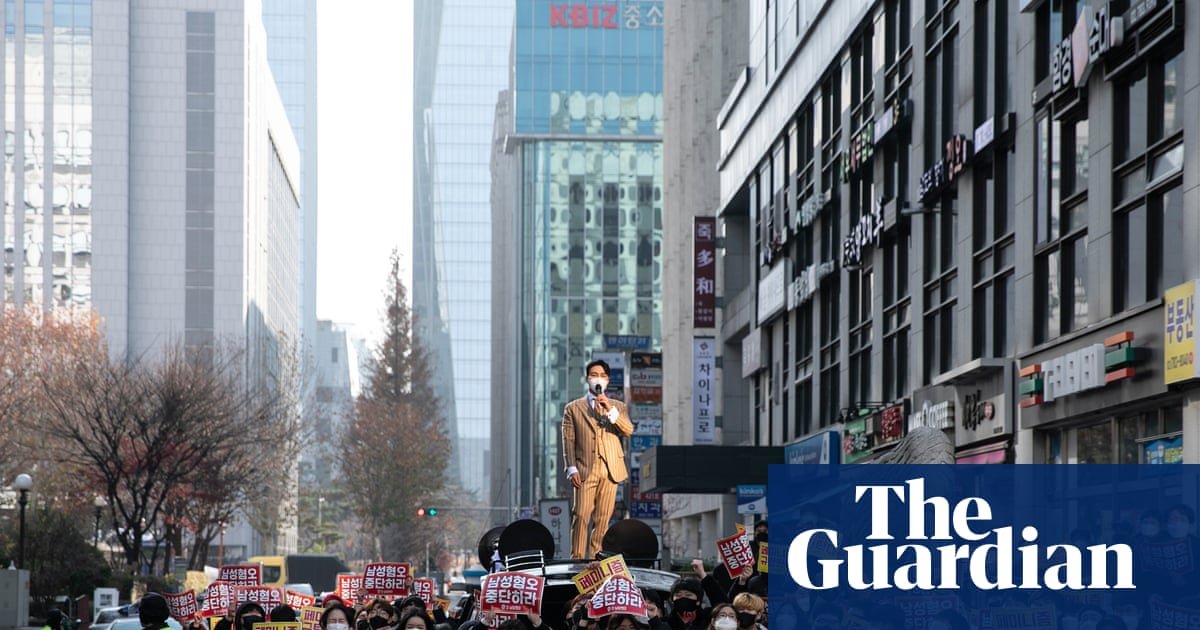
Toxic masculinity is a global issue, but its impact is particularly severe in South Korea, a highly modern and interconnected society. The prevalence of misogyny in this country raises questions about the root causes of male unhappiness. One incident in Jinju, where a man lashed out at a convenience store worker, exemplifies the toxic behavior that stems from societal expectations. Men often find themselves trapped in rigid gender roles, leading to frustrations and aggression. This situation serves as a cautionary tale for other nations grappling with similar issues.
In South Korea, the toxic gender war is fueled by deeply ingrained beliefs about masculinity. As women assert their rights and challenge traditional norms, men feel threatened and respond with aggression. The rise of feminism in the country has exacerbated tensions, pushing men to reconsider their identities. The lack of understanding about the root causes of male unhappiness has led to a toxic environment where both genders suffer. It is crucial for South Korea to address these underlying issues to promote harmony and mutual respect between men and women.
The impact of toxic masculinity goes beyond individual interactions and permeates various aspects of South Korean society. From workplace dynamics to family relationships, the gender war has far-reaching consequences. The incident in Jinju is just one example of the daily struggles faced by women who encounter toxic behavior from men. By shedding light on these issues, South Korea can start a conversation about toxic masculinity and work towards solutions to promote gender equality and social harmony.
Other countries can learn valuable lessons from South Korea’s experience with toxic masculinity. By examining the root causes of male unhappiness and addressing societal expectations, nations can prevent the rise of misogyny and promote healthy relationships between men and women. The gender war in South Korea serves as a wake-up call for societies worldwide to confront toxic behaviors and strive for gender equality. Through education, advocacy, and open dialogue, countries can create a more inclusive and equitable future for all genders.





Deixe um comentário