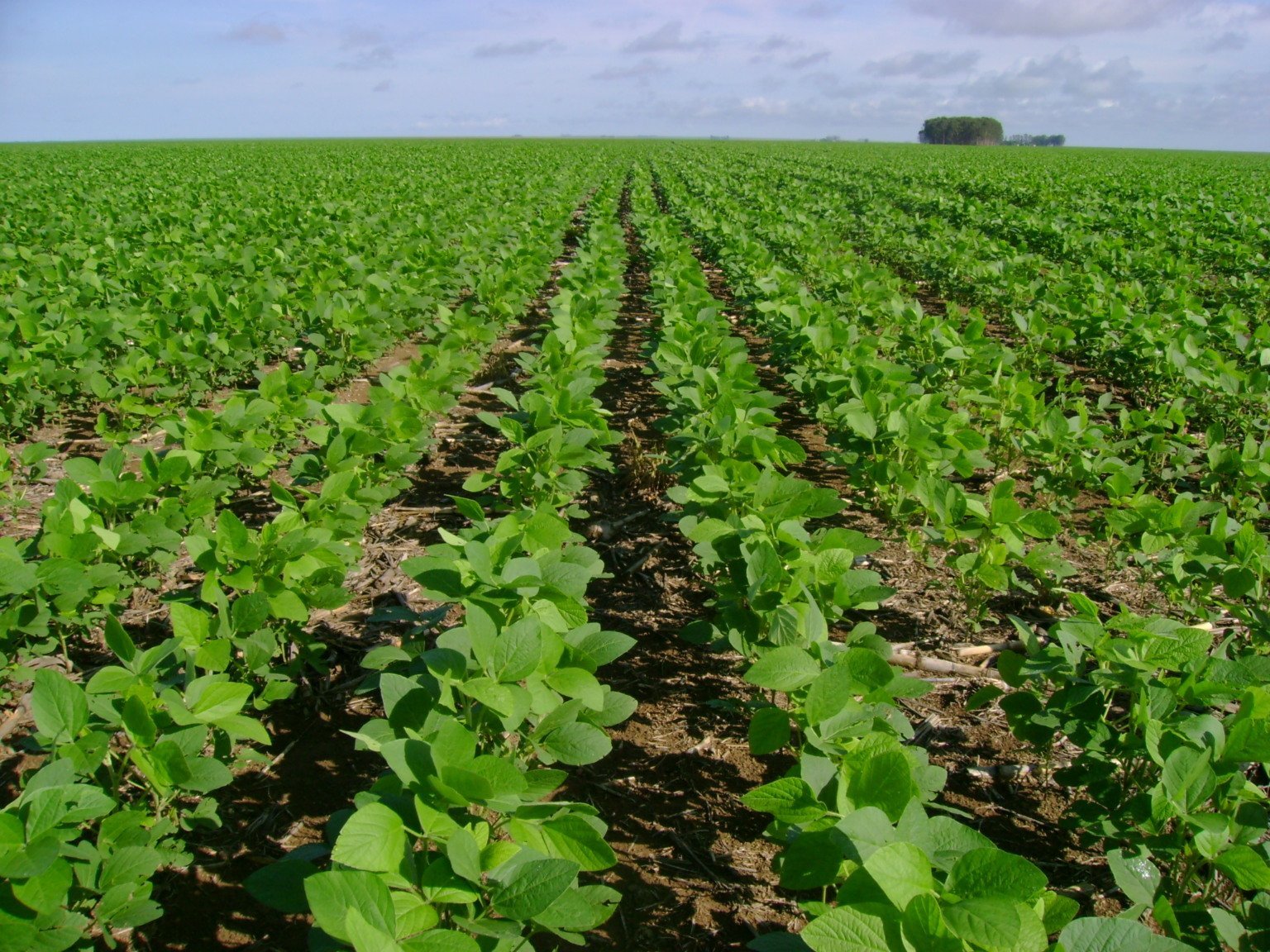
The antitrust agencies of the Brics countries are closely monitoring the decision of the Administrative Council for Economic Defense (Cade) regarding the future of the Soy Moratorium, an agreement that restricts the commercialization of soybeans produced in deforested areas of the Legal Amazon. This agreement has sparked a major debate on sustainability. The decision taken by Cade will have significant implications not only for the soy industry but also for environmental conservation efforts in the region. The Brics countries, comprising Brazil, Russia, India, China, and South Africa, are keenly observing how this issue unfolds.
In a statement, a representative from the Brics countries stated, ‘It is crucial for us to stay informed about the developments regarding the Soy Moratorium and its potential impacts on both the economy and the environment.’ The Moratorium, which has been in place for years, has played a key role in preventing the commercialization of soybeans from deforested areas in the Legal Amazon. However, some stakeholders have raised concerns about the effectiveness and sustainability of the agreement, particularly in light of recent developments in the region. The decision made by Cade will be closely scrutinized by experts, policymakers, and environmental organizations across the Brics countries.
The Soy Moratorium has been a subject of intense debate among various stakeholders, including farmers, environmental activists, and government officials. While some argue that the Moratorium is essential for protecting the Amazon rainforest and promoting sustainable agricultural practices, others believe that it imposes unnecessary restrictions on the soy industry. The decision that Cade will make regarding the future of the Moratorium will have far-reaching implications for the soybean market in the Legal Amazon and beyond.
As the Brics countries continue to monitor the developments surrounding the Soy Moratorium, they are also assessing the potential economic and environmental consequences of different outcomes. The decision made by Cade will undoubtedly shape the future of the soy industry in the region and could set a precedent for similar agreements in other parts of the world. The sustainability debate sparked by the Soy Moratorium highlights the complexities of balancing economic interests with environmental protection, a challenge that policymakers and stakeholders worldwide are grappling with.





Deixe um comentário