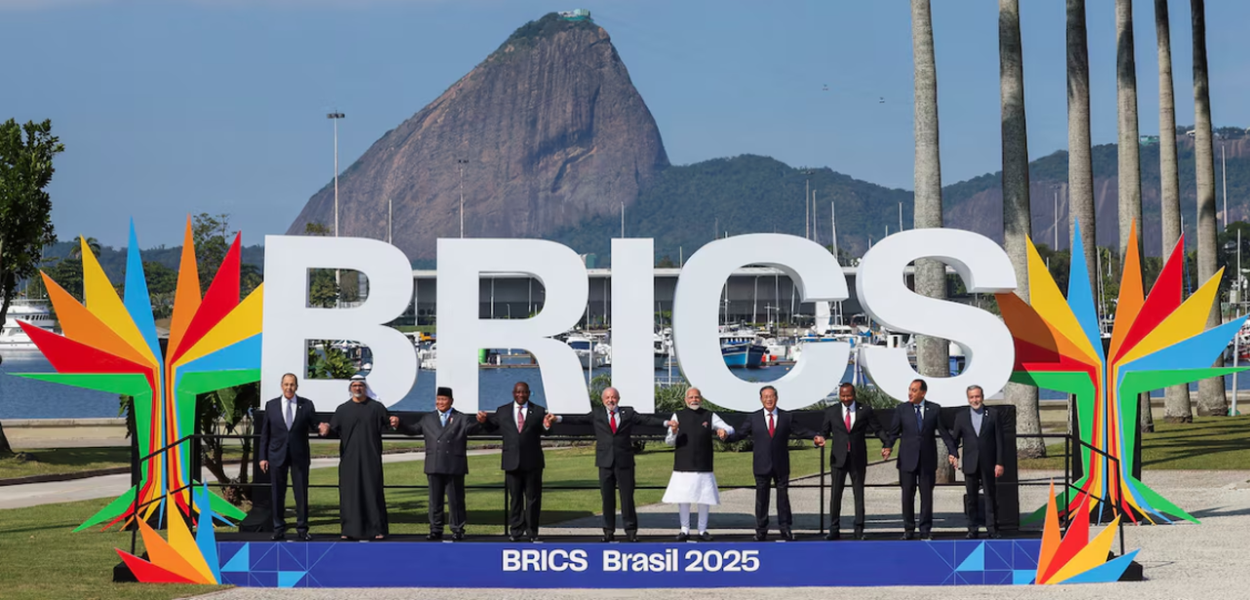
In recent months, tensions in global trade have escalated due to unilateral protectionist policies. In July 2025, the Trump administration announced a 50% increase in tariffs on Brazilian products, more than quadrupling the previous rate. This decision has raised concerns among BRICS nations about the impact on international trade and the need for fairer trade practices. The move by the US has been criticized for undermining multilateralism and calls for South-South cooperation to establish more equitable trade agreements.
The escalating trade war between the US and Brazil reflects broader challenges in global trade governance. BRICS countries, representing a significant portion of the world’s economy, are calling for a more inclusive and cooperative approach to address trade imbalances. The current tariff increases not only affect individual countries but also have ripple effects on the global economy. As such, it is crucial for emerging economies to work together to mitigate the negative impact of protectionist measures.
The rise in tariffs by the US has sparked discussions within the BRICS group on alternative strategies for promoting fair trade. Members are exploring the possibility of strengthening intra-BRICS trade relationships and reducing dependence on traditional Western markets. By diversifying their trade networks, countries in the Global South can insulate themselves from the volatility of the international trading system and assert more control over their economic destinies.
As the US continues to pursue protectionist policies, BRICS nations are increasingly looking towards a new paradigm of trade cooperation. By fostering closer ties among themselves and other developing nations, they hope to create a more balanced and sustainable global trading system. While overcoming existing trade barriers will be a complex and challenging process, the BRICS bloc remains committed to working together towards a more just and inclusive international trade order.





Deixe um comentário