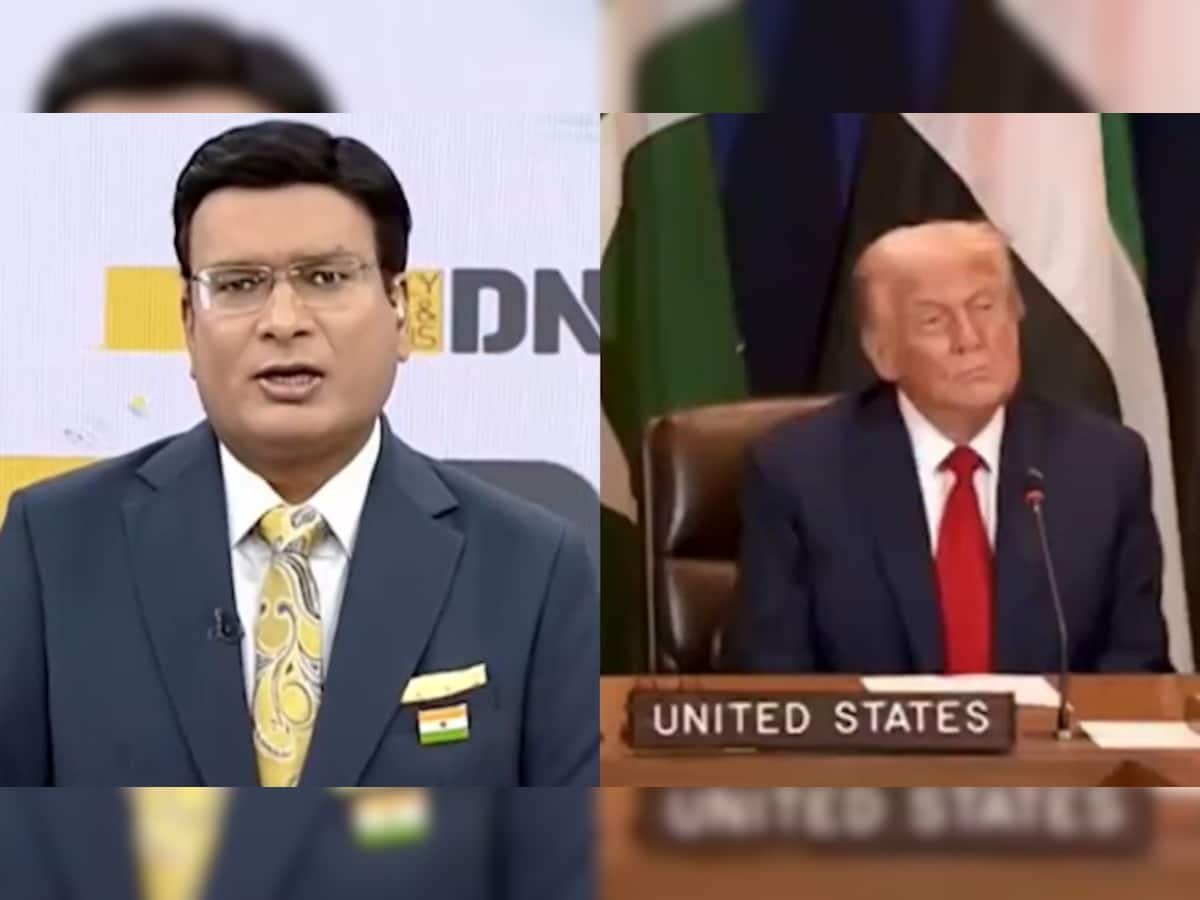
A historic gathering took place in New York as President Donald Trump welcomed leaders from eight prominent Muslim-majority nations during the United Nations General Assembly (UNGA). This meeting marked a significant moment in international relations as representatives from Turkey, Indonesia, Pakistan, Qatar, Jordan, Egypt, Saudi Arabia, and the UAE joined forces in a high-profile event. The significance of this meeting goes beyond mere diplomacy, signaling a potential shift in the traditional global power dynamics.
The meeting in New York, held at the margins of the UNGA, sent a strong message of unity and collaboration among nations that are typically viewed as representing diverse political interests. By bringing together leaders from these Muslim-majority countries, Trump showcased a new approach to diplomacy that aims to bridge cultural and political divides. The symbolism of this event cannot be understated, as it signifies a possible reconfiguration of alliances and a departure from conventional geopolitical strategies.
This unprecedented gathering not only underscored the importance of multilateral dialogue but also hinted at a changing world order where traditional alliances may be redefined. The presence of these leaders in New York highlighted a shared commitment to addressing global challenges and fostering cooperation on critical issues such as security, trade, and regional stability. The meeting served as a platform for open discussions and mutual understanding, paving the way for a potentially transformative shift in international relations.
As the world witnesses the emergence of new power dynamics and geopolitical realignments, the meeting in New York reflected a strategic move towards building stronger alliances and partnerships among nations with diverse backgrounds and interests. Trump’s initiative to convene leaders from these Muslim-majority countries emphasized the importance of inclusive diplomacy and cooperation in addressing complex global issues. The event in New York may mark the beginning of a new era in international relations, characterized by a more collaborative and inclusive approach to solving shared challenges.
In the aftermath of this unprecedented gathering, the implications for the global political landscape remain to be seen. However, one thing is clear: the meeting in New York has sparked discussions about a potential shift in the world order and the role of emerging alliances in shaping future international dynamics. The coming together of leaders from Turkey, Indonesia, Pakistan, Qatar, Jordan, Egypt, Saudi Arabia, and the UAE signifies a new chapter in global diplomacy, where cooperation and mutual respect play a central role in defining the direction of international relations.




Deixe um comentário