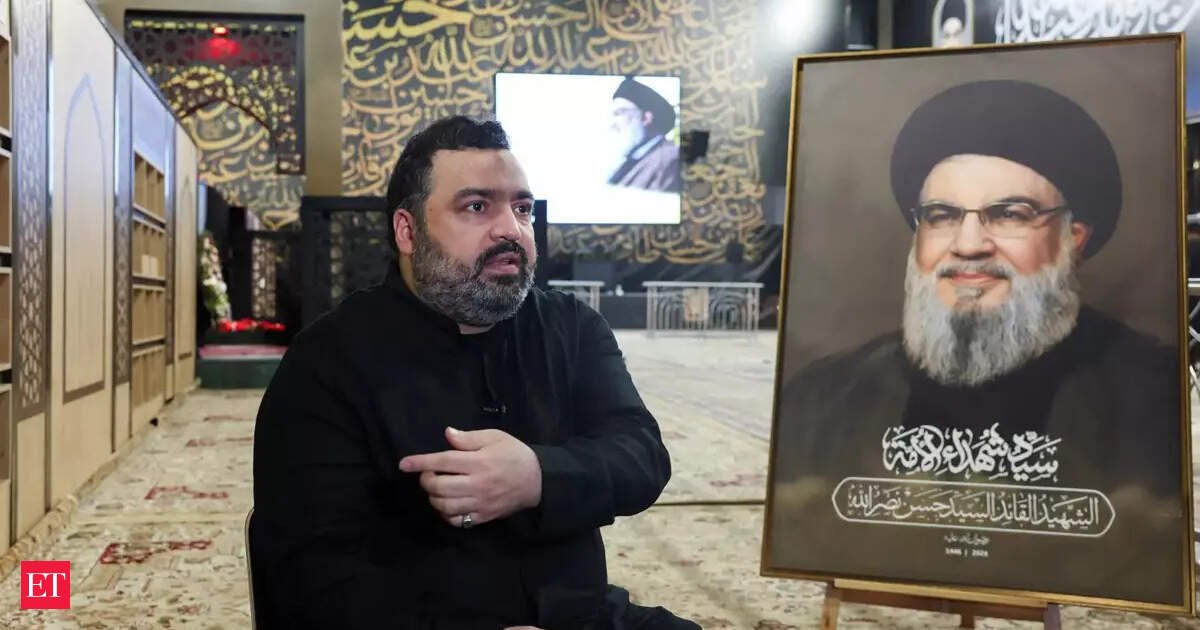
Hezbollah’s recent appeal to Saudi Arabia to join forces against Israel was reportedly driven by Iran’s behind-the-scenes diplomatic efforts. Tehran’s concern over Hezbollah’s security prompted this move, as Iran sought to ease international pressure for Hezbollah’s disarmament. Despite recent signs of improving relations with Iran, Saudi Arabia has maintained its stance on the necessity of disarming Hezbollah, which remains a strong ally of Iran. This dynamic illustrates the complex regional dynamics at play between Saudi Arabia, Iran, and Hezbollah.
A closer look at the situation reveals that Iran’s influence over Hezbollah played a significant role in the appeal to Saudi Arabia. With Tehran exerting pressure on its Lebanese ally to seek support from Saudi Arabia, the geopolitical landscape in the region continues to shift. The anxiety within Tehran over potential threats to Hezbollah’s stability has driven Iran to initiate diplomatic maneuvers aimed at strengthening Hezbollah’s position. This calculated move aligns with Iran’s broader strategy to maintain its influence in the region and counter international efforts to disarm Hezbollah.
Despite the outreach from Hezbollah, Saudi Arabia has stood firm in its commitment to disarm the militant group, reflecting the broader tensions between the two regional powers. The recent thaw in relations between Saudi Arabia and Iran has not altered Riyadh’s position on Hezbollah, signaling the complexities of regional alliances and rivalries. The differing approaches of Saudi Arabia and Iran towards Hezbollah underscore the challenges in achieving unity against common threats like Israel, further complicating the already fragile political landscape in the Middle East.
In conclusion, the appeal from Hezbollah to Saudi Arabia was driven by Iran’s strategic calculations aimed at safeguarding its interests in the region. Tehran’s concerns over Hezbollah’s security prompted this move, despite the recent diplomatic overtures between Saudi Arabia and Iran. The diverging stances of these regional powers on Hezbollah highlight the intricate web of alliances and conflicts that shape Middle Eastern politics. As tensions persist and geopolitical dynamics evolve, the implications of this tripartite relationship between Saudi Arabia, Iran, and Hezbollah will continue to reverberate across the region.





Deixe um comentário