Iran called back its ambassadors in Germany, France, and the UK on Saturday (27) after the United Nations Security Council approved the resumption of sanctions against the country, reported state media. The decision is likely to further escalate the already high tensions between Iran and the West. European leaders triggered a mechanism called ‘snapback’ last month, accusing Tehran of violating a 2015 agreement aimed at preventing it from building a nuclear bomb. Iran denies this and called the reinstatement ‘irresponsible’. Russia and China, also members of the Security Council and Iran’s closest allies, proposed to postpone the start of sanctions but failed. The text proposed by them would have extended the council’s resolution for another six months until April 18, 2026. Only four of the 15 council members (China, Russia, Pakistan, and Algeria) voted in favor of the resolution put forward by the two countries; nine voted against and two abstained. The sanctions will reimpose an arms embargo, ban on uranium enrichment and reprocessing, prohibition of activities involving ballistic missiles capable of carrying nuclear weapons, global freeze of Iran’s assets, travel restrictions on Iranian individuals and entities, and impact the country’s energy sector. All sanctions against Iran are set to come back into effect at 9 p.m. (Brasília time) this Saturday. Immediately after the vote, Iranian President Masoud Pezeshkian spoke at a meeting with journalists and experts on the sidelines of the UN General Assembly. Pezeshkian stated that despite previous threats, Iran will not withdraw from the Nuclear Non-Proliferation Treaty (NPT) like North Korea, which withdrew from the treaty in 2003 and later developed nuclear weapons. ‘Iran will never seek nuclear weapons. We are fully prepared to be transparent about our highly enriched uranium,’ Pezeshkian said. This was the first censure issued by the UN against Iran for non-compliance with the NPT – a comprehensive agreement ratified by 191 countries – which requires the country to declare all nuclear material and activities it possesses and allow UN inspectors to verify that the activities are for peaceful purposes. In June, Iran announced it had built and would activate a third nuclear enrichment facility, significantly increasing its production of enriched uranium and defying demands from the US and the International Atomic Energy Agency (IAEA). ‘The Islamic Republic of Iran has no choice but to respond to this political resolution,’ said the Foreign Ministry and the Atomic Energy Organization of Iran in a joint statement. In a speech to the UN General Assembly on Friday, Israeli Prime Minister Benjamin Netanyahu – whose country bombed Iranian nuclear facilities in conjunction with the United States in June – stated that the world must not allow Iran to rebuild its nuclear and military programs. ‘We eliminated a dark cloud that could have cost millions and millions of lives. But, ladies and gentlemen, we must remain vigilant,’ Netanyahu said. *With information from Reuters and the Associated Press. Lula and Trump, Ukraine and Palestine: the main points of the UN General Assembly.
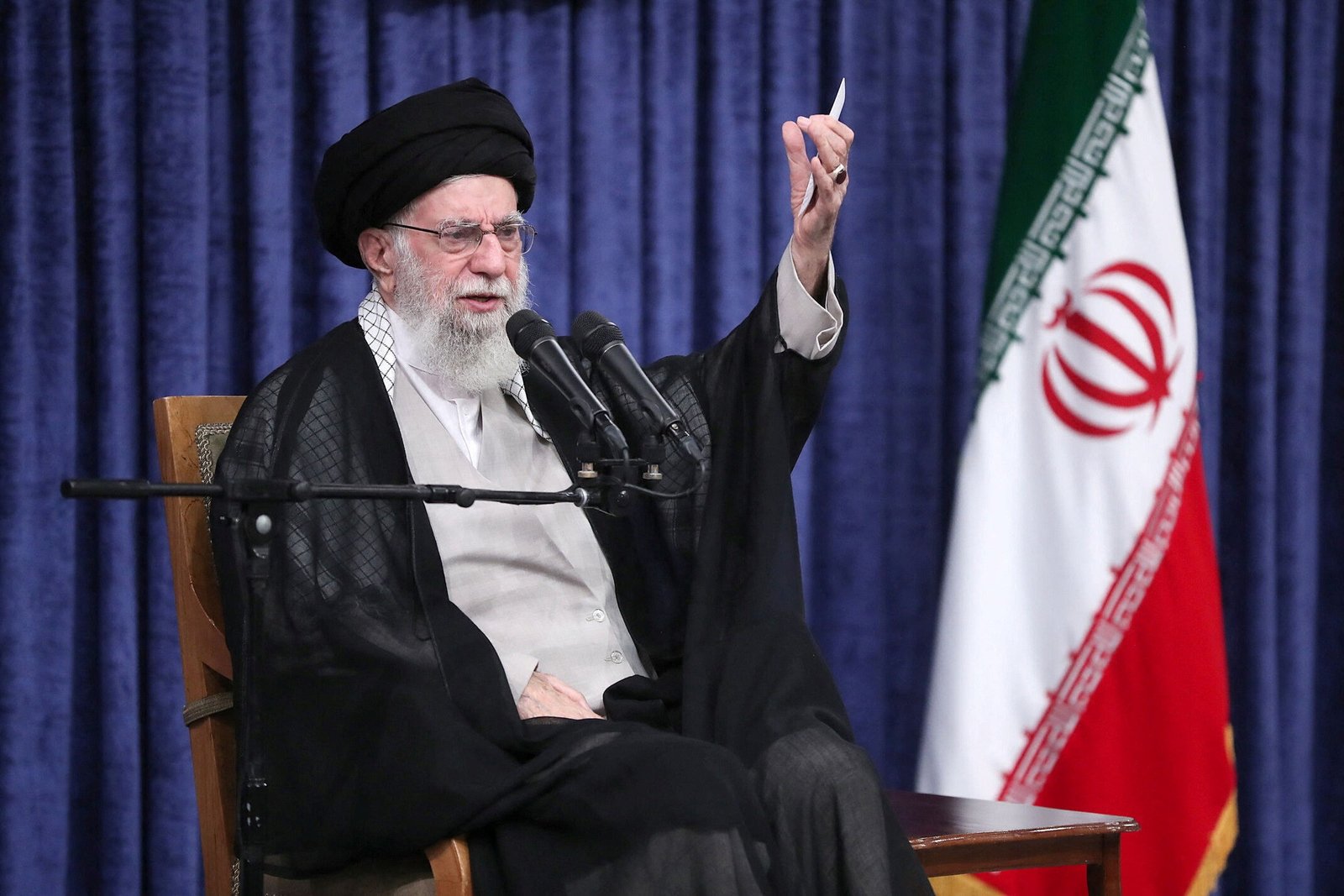
Iran Recalls Ambassadors After UN Restores Nuclear Program Sanctions

-
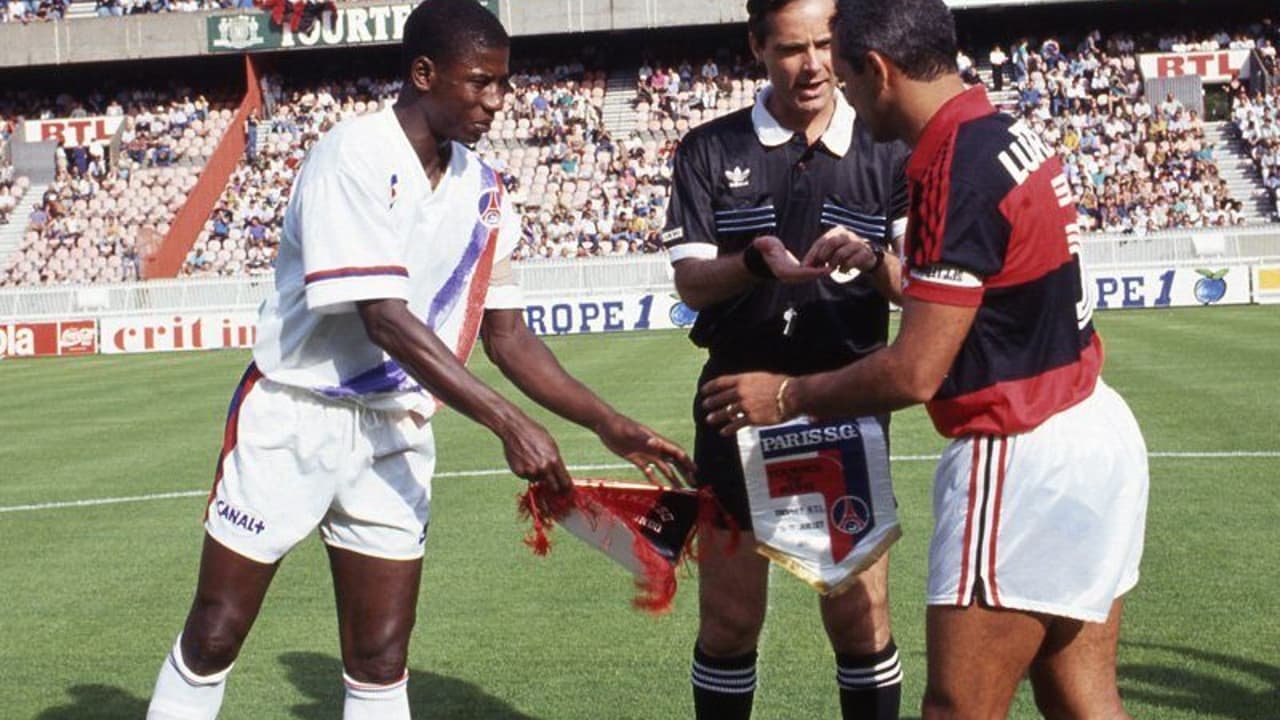
Flamengo and PSG have faced each other three times; check out their record
-

Indonesia Open Footgolf Tournament: Comedian Oki Rengga Admits Addiction, Wants to Become a Professional Athlete
-
Shameful Incident in Punjab! Landlord Rolls Tenant’s Daughter
-
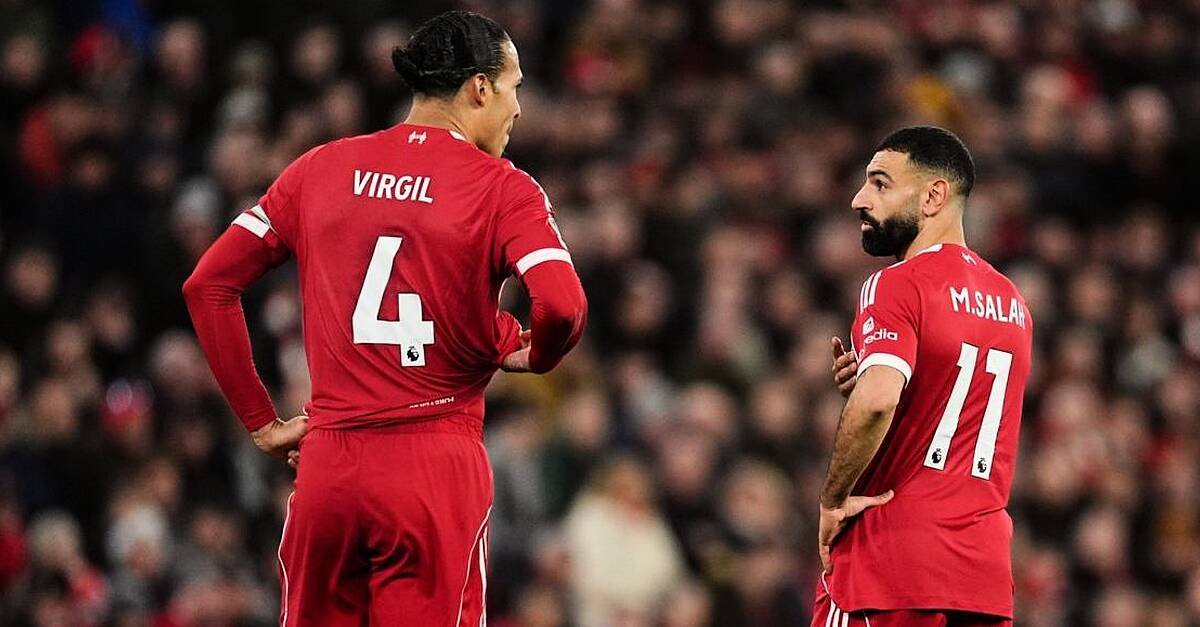
Virgil van Dijk Expresses Desire for Mohamed Salah to Stay at Liverpool
Deixe um comentário