Swami Chaitanyanand Saraswati, who is also known as Partha Sarathy and serves as the director of the prestigious Sri Sharda Institute of Indian Management in Vasant Kunj, Delhi, is currently embroiled in a criminal case for allegedly sexually harassing female students. These allegations mainly concern students studying post-graduate management diploma courses, particularly those from the Economically Weaker Sections (EWS) scholarship category.
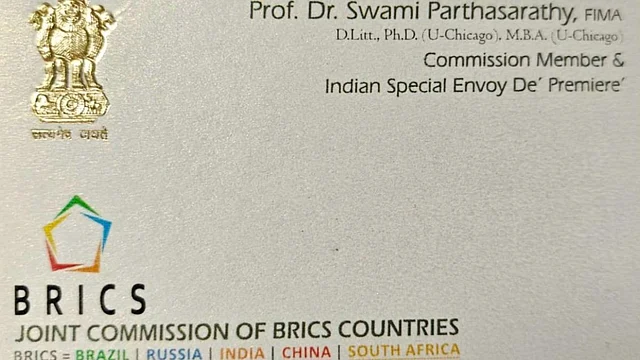
During police investigation, authorities discovered that Saraswati had forged visiting cards representing prominent organizations such as BRICS and the United Nations Economic and Social Council (ECOSOC). The accusations against Saraswati include using these fake visiting cards as part of his alleged misconduct towards women students.
Furthermore, it was found that one of the forged visiting cards bore the title ‘Director, BRICS International Affairs’. The use of such falsely obtained authority may have been used by Saraswati to exploit his position and influence over students within the educational institute.
In light of these findings, the case against Swami Chaitanyanand Saraswati has intensified, with authorities delving deeper into the extent of his falsifications and misconduct towards female students. The revelation of the fake visiting cards belonging to well-known international organizations like BRICS and the UN ECOSOC has added another layer of complexity to the ongoing investigation.
The discovery of the forged visiting cards not only sheds light on the deceptive practices of Swami Chaitanyanand Saraswati but also raises concerns about the potential misuse of authority and influence in educational settings. As the legal proceedings unfold, the focus remains on seeking justice for the women students who have been allegedly targeted by Saraswati’s abusive behavior.
The implications of this case extend beyond the individual accused, highlighting broader issues of power dynamics and misconduct within academic institutions. The exposure of Saraswati’s fraudulent activities serves as a stark reminder of the importance of safeguarding students, particularly vulnerable populations, from exploitation and abuse within educational environments.
As the investigation progresses, the role of institutions in addressing and preventing such misconduct becomes crucial in ensuring the safety and well-being of students. Efforts to hold accountable those who abuse their positions of authority are essential in upholding the integrity of educational institutions and fostering a safe environment for all learners.



Deixe um comentário