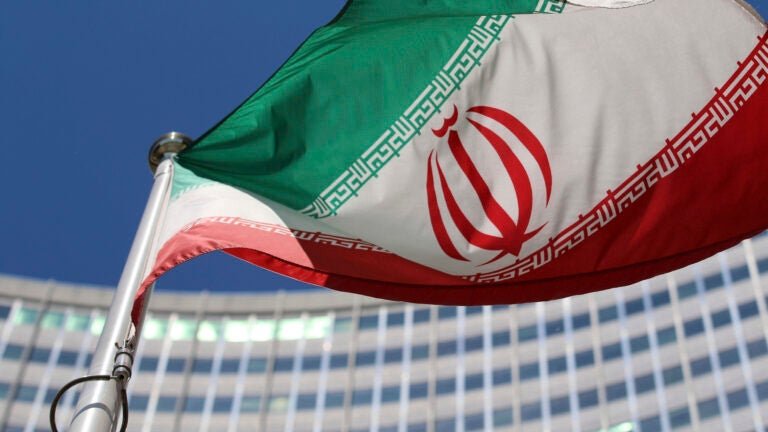
Understanding Iran’s nuclear program involves delving into its various nuclear sites, including those that have raised concerns among Western countries. The reimposition of ‘snapback’ sanctions by the United Nations on Iran’s nuclear program highlights the ongoing tensions between Iran and the West. These sanctions are aimed at curbing Iran’s nuclear activities and ensuring compliance with international agreements. The move has further escalated the already strained relations between Iran and Western powers, particularly the United States.
Iran’s nuclear sites, such as the Fordow Fuel Enrichment Plant and the Natanz Fuel Enrichment Plant, have been at the center of international scrutiny. These facilities have been a source of contention, with Western countries arguing that Iran’s nuclear ambitions pose a threat to regional and global security. The reimposition of ‘snapback’ sanctions signals a renewed effort by the international community to address Iran’s nuclear activities and prevent the proliferation of nuclear weapons in the region.
The ‘snapback’ sanctions, which were initially lifted as part of the 2015 nuclear deal, have been reinstated following concerns about Iran’s compliance with the agreement. The move comes after the United States withdrew from the nuclear deal in 2018, citing Iran’s continued enrichment of uranium and other violations. As a result, the reimposition of sanctions represents a significant shift in the dynamics of Iran’s relations with the international community.
Iran has consistently denied allegations of seeking to develop nuclear weapons, insisting that its nuclear program is for peaceful purposes only. The reimposition of ‘snapback’ sanctions has been met with strong opposition from Iran, which views the move as unjust and a violation of its sovereignty. The escalation of tensions between Iran and the West underscores the complexity of the situation and the challenges of resolving the longstanding dispute over Iran’s nuclear program.
As the reimposed sanctions take effect, Iran is likely to face increased pressure to comply with international regulations and limit its nuclear activities. The United Nations’ decision to reimpose sanctions reflects a growing concern among member states about Iran’s nuclear ambitions and the need to prevent further escalation in the region. The reimposition of ‘snapback’ sanctions is expected to have far-reaching implications for Iran’s economy and its relations with the international community, underscoring the high stakes involved in addressing the issue.




Deixe um comentário