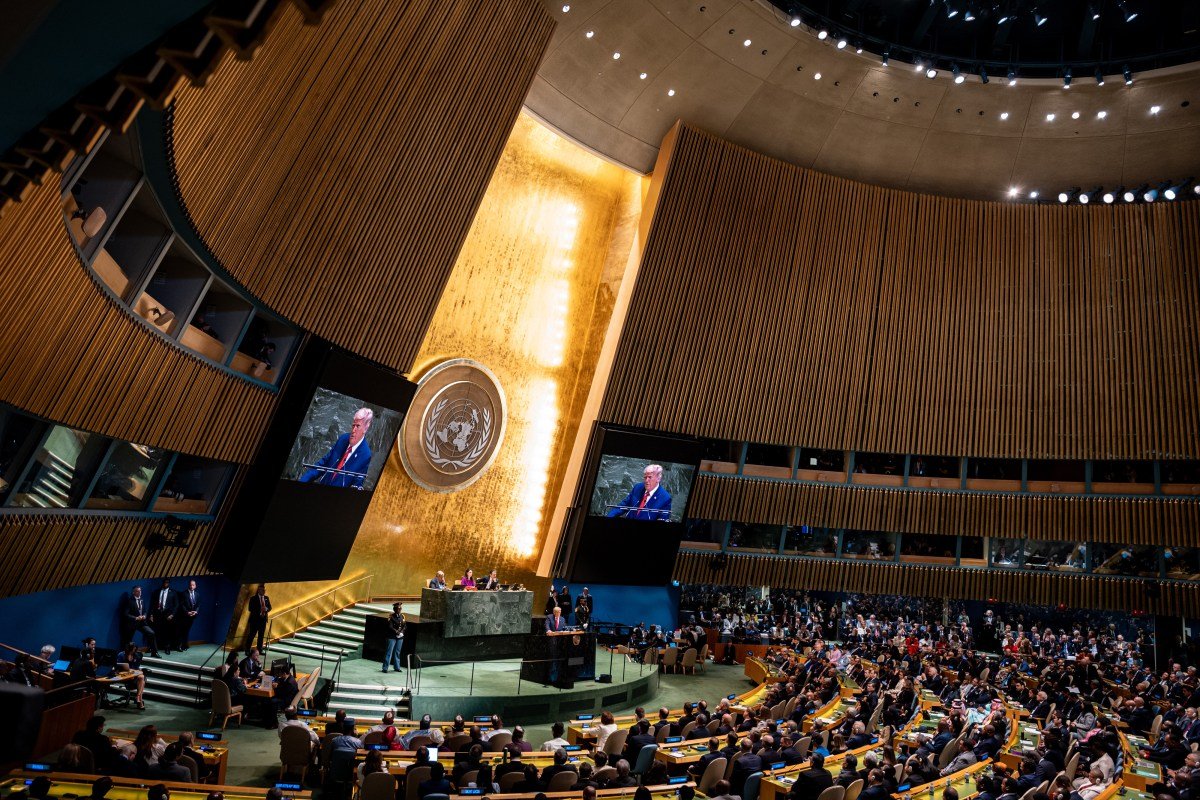
The UN announced the reimposition of the six canceled Security Council resolutions against Iran, who rejected the reinstatement of sanctions for its nuclear program after the failure of the 2015 nuclear deal. The sanctions include an arms embargo and freezing of assets and banking activities associated with Iran’s nuclear and ballistic program.
Iran’s Foreign Ministry condemned the decision, stating that the US, as a participant in the nuclear deal, has no legal right to trigger the ‘snapback’ mechanism for reimposing sanctions. This move has escalated tensions between Iran and the US. Additionally, Iran’s President Rouhani criticized the reimposition of sanctions, calling it a grave mistake.
The reimposition of sanctions has divided opinions among countries, with some supporting the move and others expressing concerns about its impact on regional stability. The European Union expressed regret over the US decision to reimpose sanctions, emphasizing its commitment to preserving the nuclear deal.
China and Russia also opposed the reimposition of sanctions, highlighting the importance of upholding the nuclear deal and diplomatic efforts to address Iran’s nuclear program. They called for dialogue and cooperation to resolve differences and maintain peace and stability in the region.
In response to the reimposition of sanctions, Iran vowed to continue its nuclear activities for peaceful purposes, reaffirming its stance on the importance of its nuclear program for energy and medical purposes. Iran emphasized its commitment to international law and non-proliferation efforts despite the sanctions.
The UN’s decision to reimpose sanctions against Iran reflects the ongoing challenges in diplomatic relations and efforts to address global security threats. The reimposition of sanctions has sparked debate and raised concerns about the effectiveness of such measures in promoting stability and cooperation among nations in the region.


Deixe um comentário