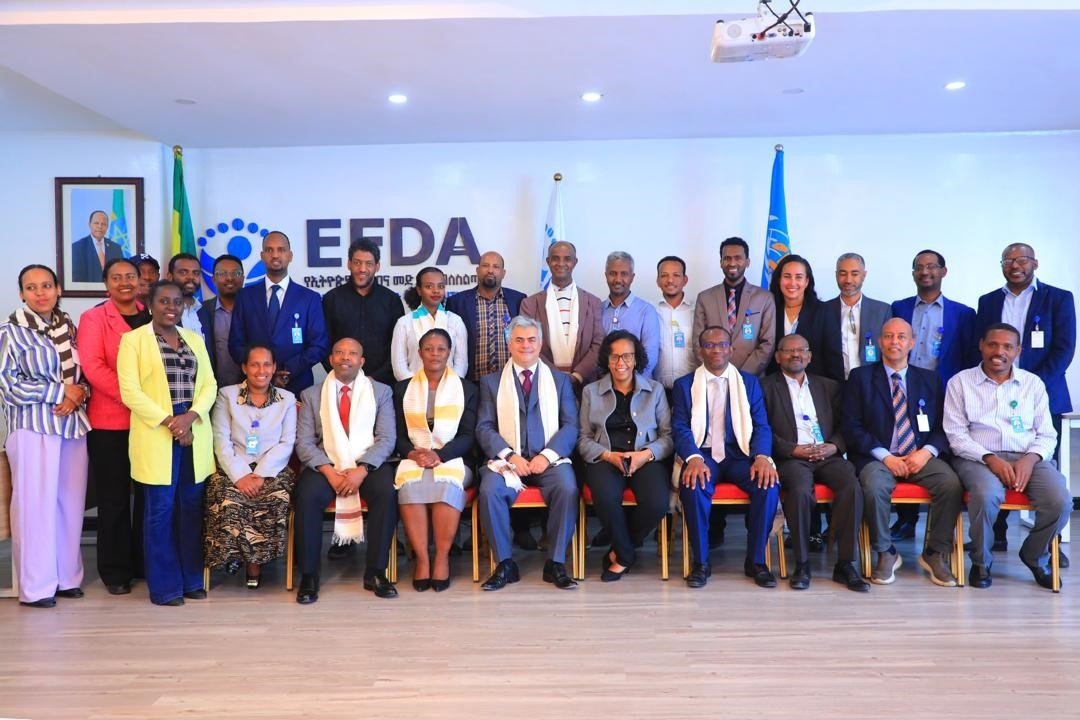
Ethiopia has officially reached Maturity Level 3 (ML3) in medicines regulation, a significant achievement recognized by the World Health Organization (WHO). This places Ethiopia among a select group of nine African countries with this status within WHO’s global classification of national regulatory authorities. The Ethiopian Food and Drug Authority (EFDA) has shown dedication to ensuring that medicines and vaccines in the country meet rigorous international standards of quality, safety, and efficacy.
The evaluation process involved a thorough assessment by WHO using its Global Benchmarking Tool, which examines regulatory systems against more than 250 indicators. ML3 represents a stable, well-functioning, and integrated regulatory system. Countries that attain this level demonstrate the capacity to authorize medical products, conduct effective market surveillance, and monitor safety events with precision.
Dr. Mohamed Yakub Janabi, WHO Regional Director for Africa, highlighted the significance of Ethiopia’s accomplishment, stating, ‘A strong regulatory system instills trust in patients regarding the safety, efficacy, and quality of medications. This is foundational for universal health coverage and better health outcomes.’ The benchmarking exercise was completed in September 2025, with support from the WHO Regional Office for Africa and the WHO Country Office in Addis Ababa.
The WHO’s global benchmarking initiative aims to enhance regulatory systems by evaluating key functions like product authorization, market monitoring, and adverse event detection. Countries reaching ML3 and ML4 may qualify as WHO-listed Authorities following further assessments, empowering them to influence international regulatory standards.
Dr. Yukiko Nakatani, WHO Assistant Director-General for Health Systems, Access, and Data, emphasized the impact of effective regulation on saving lives. By attaining Maturity Level 3, Ethiopia has showcased leadership and dedication to safeguarding its population, enhancing its healthcare system, and contributing to global efforts in improving access to quality medical products.
Effective regulation of medical products is crucial for all health systems, guaranteeing access to safe, effective medications and vaccines. Strong regulatory bodies play a critical role in swift product authorization and robust safety monitoring, leading to improved health outcomes. Ethiopia’s success serves as a testament to sustained dedication, offering a model for the region and underlining the potential for Africa to shape the future of healthcare product regulation, making quality medical products accessible to every community.
Ethiopia Achieves WHO Maturity Level 3 in Medicines Regulation

-

Flamengo and PSG have faced each other three times; check out their record
-

Indonesia Open Footgolf Tournament: Comedian Oki Rengga Admits Addiction, Wants to Become a Professional Athlete
-

Shameful Incident in Punjab! Landlord Rolls Tenant’s Daughter
-

Virgil van Dijk Expresses Desire for Mohamed Salah to Stay at Liverpool
Deixe um comentário