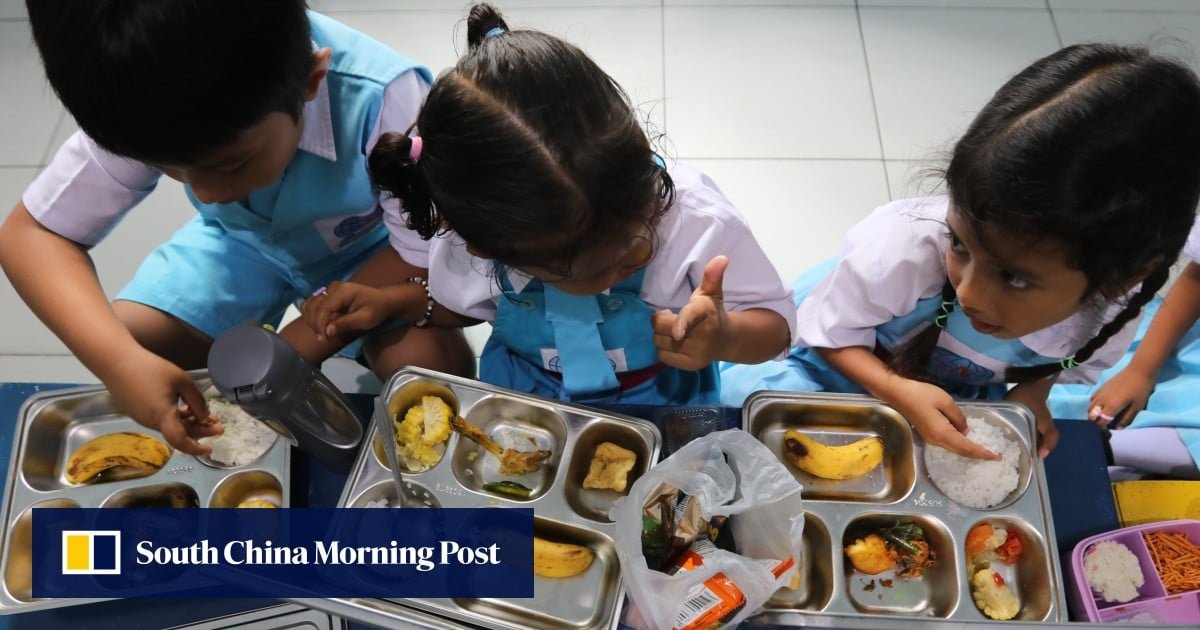
Since the launch of Indonesia’s free meals programme in January, over 6,000 students have suffered from food poisoning. The initiative aims to provide nutritious lunches to more than 80 million children, pregnant women, and breastfeeding mothers by next year. Critics are concerned about the recent inclusion of fried shark in the meals, as they believe it may contain high levels of mercury. Despite officials defending the decision by labeling shark meat as a traditional part of the regional diet, many argue that serving it to young children is risky due to its potential health hazards.
The controversy surrounding the inclusion of shark meat in the free meals programme has intensified as more people voice their concerns about the health implications for children. Critics argue that the potential risks associated with consuming shark, such as high mercury levels, outweigh any supposed nutritional benefits. Moreover, they claim that the decision to serve shark meat contradicts dietary guidelines aimed at protecting vulnerable populations, including pregnant women and children. While officials maintain that the use of shark meat is culturally significant, opponents stress the importance of prioritizing the health and well-being of the recipients of the free meals.
As the debate over the presence of shark meat in Indonesia’s free meals programme continues, experts emphasize the need for thorough monitoring and assessment of the nutritional quality of the provided meals. The ongoing food poisoning cases among students raise questions about the safety and adequacy of the food being distributed, reinforcing calls for stricter quality control measures. While supporters of the initiative highlight the positive impact of free meals on public health, critics insist on the urgent reassessment of the menu to ensure the well-being of the beneficiaries.
Ultimately, the controversy surrounding the serving of fried shark in Indonesia’s free meals programme underscores the challenges of balancing cultural practices with public health considerations. As discussions evolve, stakeholders are urged to prioritize the safety and nutritional value of the meals provided to vulnerable populations. Addressing the concerns raised by critics and implementing effective monitoring mechanisms can help mitigate the health risks associated with consuming certain foods, ensuring the long-term success and sustainability of the free meals programme.





Deixe um comentário