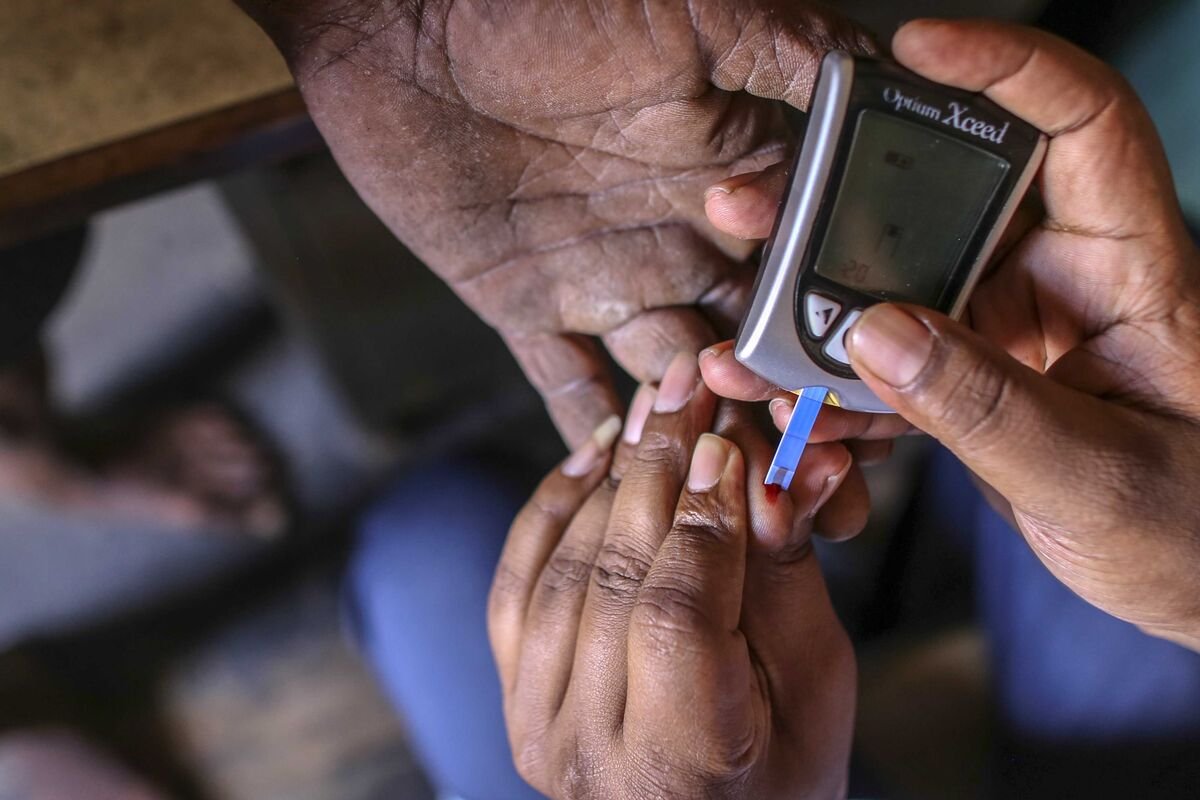
Hi, it’s Janice in Johannesburg. A couple of years ago I spoke to scientists in Ethiopia who observed a troubling trend related to diabetes. This trend has sparked a global initiative to investigate this unique form of the disease. Before delving into the details, it is crucial to understand the significant impact of famine on the prevalence of diabetes.
In regions affected by famine, such as Ethiopia, researchers have observed a rise in cases of diabetes. The scarcity of food and essential nutrients during times of famine can lead to malnutrition, affecting individuals’ overall health. The lack of access to adequate food sources can also contribute to an increased likelihood of developing diabetes.
Furthermore, the nutritional deficiencies resulting from famine can have long-lasting effects on individuals’ susceptibility to diabetes. Scientists are exploring the link between malnutrition during critical periods of development and the increased risk of developing diabetes later in life.
Understanding the complex relationship between famine, malnutrition, and diabetes is essential for developing effective prevention and intervention strategies. By identifying the underlying factors contributing to this phenomenon, healthcare professionals can implement targeted measures to mitigate the impact of famine on diabetes prevalence.
Additionally, raising awareness about the heightened risk of diabetes during periods of famine is crucial for promoting early detection and management of the disease. Public health campaigns and educational initiatives can play a significant role in empowering individuals to make informed choices about their health during times of food insecurity.
As the global community continues to address the challenges posed by famine and its implications for public health, collaborations between researchers, policymakers, and healthcare providers are essential. By working together to understand the nuances of this issue, we can develop innovative solutions to reduce the risk of diabetes in famine-affected populations.





Deixe um comentário