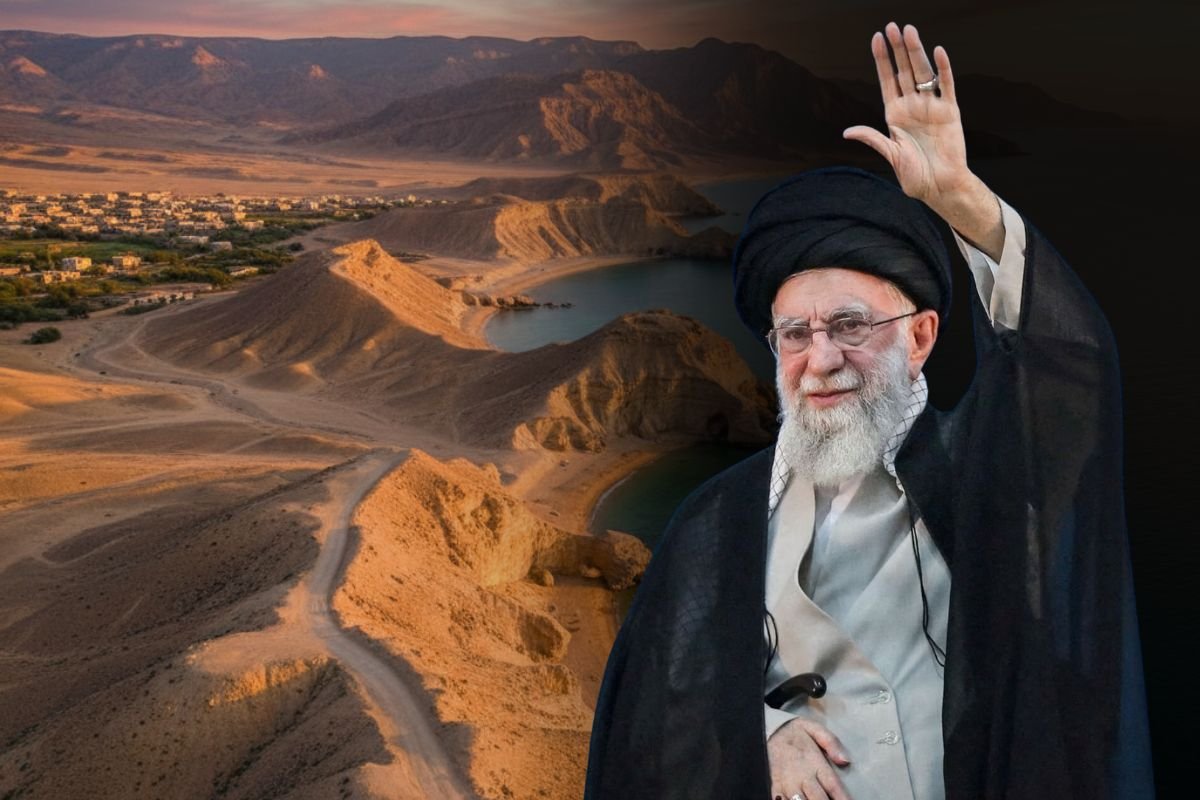
Iran Shifts Capital to Makran: They say history repeats itself. There was a time when Alexander the Great found himself stranded in a desert with his soldiers as they returned from India, and it was the same region where a third of his army perished. Now, centuries later, Iran is making preparations to relocate its capital from Tehran to Makran, a decision influenced by various factors such as water crisis, fear of American strikes, and strategic location.
One of the main reasons for this historic move is the water crisis faced by Tehran. With dwindling water resources, the city has been grappling with shortages, leading the government to consider shifting the capital to a more sustainable location like Makran. Additionally, the fear of potential American strikes on Tehran has also played a significant role in the decision-making process.
The strategic location of Makran, with access to the Arabian Sea, makes it an ideal choice for the new capital. This coastal region provides opportunities for economic growth through trade and commerce, further justifying the shift from Tehran. Moreover, the historical significance of Makran, where Alexander the Great’s army met a tragic fate, adds a layer of symbolism to the relocation.
As Iran gears up to make Makran its new capital, the decision is not only a practical one but also a strategic one. By moving away from the hustle and bustle of Tehran, the government aims to create a more secure and sustainable future for the country. The shift to Makran represents a bold step towards embracing change and adapting to the evolving geopolitical landscape.
In conclusion, the decision to shift Iran’s capital to Makran is a complex and multifaceted one, influenced by a combination of factors. From environmental concerns to strategic advantages, the move marks a significant chapter in Iran’s history. As the country embarks on this transformative journey, only time will tell the true impact of this historic decision.




Deixe um comentário