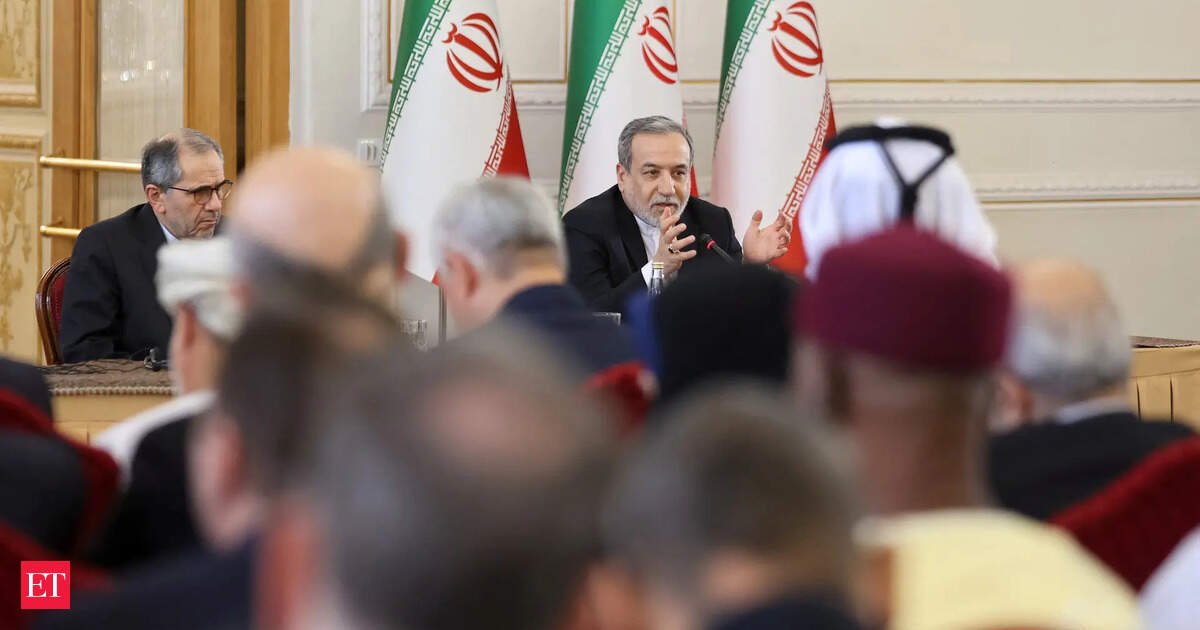
Iran’s foreign minister has signaled a willingness to address the nuclear standoff despite facing sanctions. Expressing readiness to restart talks, he criticized the cooperation with the UN atomic watchdog, describing it as ‘insufficient.’ This follows the reinstatement of UN sanctions on Iran. He emphasized that the September agreement that permitted inspectors’ return is now deemed inadequate due to ‘new circumstances,’ suggesting potential new decisions and a decreased role for European nations in upcoming negotiations.
The move by Iran to express readiness for nuclear talks signals a willingness to address the ongoing issue despite facing sanctions. The foreign minister’s stance reflects a desire to engage in dialogue but also underscores the challenges posed by the reimposed UN sanctions. By highlighting the insufficiency of cooperation with the UN atomic watchdog, Iran is indicating the need for a more robust and effective framework for addressing the nuclear standoff.
Despite the challenges posed by the UN sanctions and the perceived inadequacy of current cooperation with the UN atomic watchdog, Iran remains open to resuming nuclear talks. The foreign minister’s comments suggest a willingness to navigate the changing dynamics of the standoff and explore potentially new avenues for engagement. The reference to ‘new circumstances’ implies a recognition of evolving factors that may impact the negotiations going forward.
In light of the evolving dynamics and the challenges posed by the reimposition of UN sanctions, Iran’s indication of potential changes in the approach to nuclear talks underscores the complexity of the situation. With the September agreement now seen as insufficient under ‘new circumstances,’ Iran may be seeking to recalibrate its strategy and role in future negotiations. The reduced emphasis on European countries hints at a shifting landscape in which Iran may take a more proactive stance in addressing the nuclear standoff.


Deixe um comentário