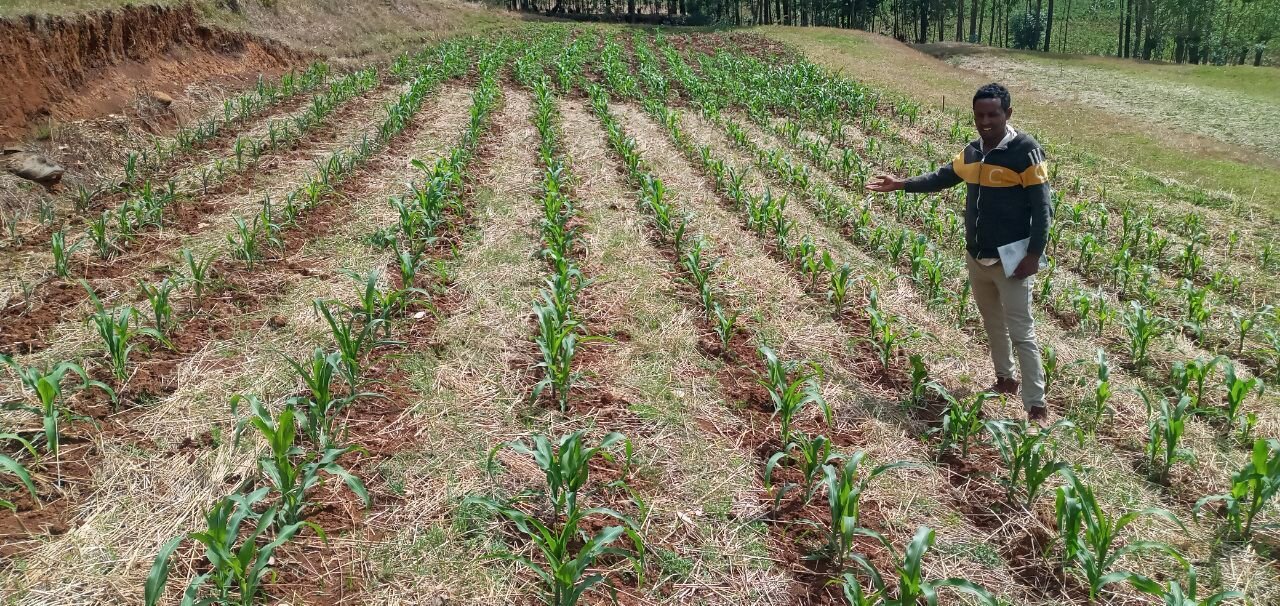
In the upper Abbay basin, located in the cradle of the Blue Nile, a team of researchers has been studying the potential impact of regenerative farming practices on soil organic carbon levels. Their focus is on understanding how implementing techniques such as returning residues, using organic manure, planting cover crops, and establishing agroforestry systems can influence soil health and carbon sequestration. By exploring these methods, they aim to predict the future scenarios for soil carbon in the region.
One of the key questions the researchers are trying to answer is how regenerative agriculture can help mitigate the effects of climate change on soil carbon levels. Despite the challenges posed by a changing climate, such as shifts in rainfall patterns and temperature increases, there is optimism about the capacity of regenerative farming to boost soil carbon content. By enhancing soil health and organic matter content through sustainable practices, farmers may be able to offset some of the negative impacts of climate change on soil quality.
The researchers highlight the importance of adopting regenerative farming practices not only for soil carbon sequestration but also for overall ecosystem health. In the upper Abbay basin, where agriculture plays a significant role in the local economy, sustainable land management practices can have far-reaching benefits. By promoting biodiversity, enhancing soil fertility, and improving water retention, regenerative agriculture can contribute to the resilience of the entire ecosystem.
While the potential benefits of regenerative farming are promising, the researchers also acknowledge the limitations posed by climate change. As global temperatures continue to rise and extreme weather events become more frequent, maintaining soil carbon levels through regenerative practices may become increasingly challenging. Adaptive strategies and ongoing research will be crucial in ensuring the long-term success of regenerative agriculture in the face of climate variability.
In conclusion, the study in the upper Abbay basin highlights the potential of regenerative farming practices to increase soil carbon levels and enhance sustainability in Ethiopian agriculture. By investing in techniques that prioritize soil health and organic carbon sequestration, farmers can not only improve their own livelihoods but also contribute to mitigating the impacts of climate change on the environment. Continued research and collaboration will be essential in maximizing the benefits of regenerative agriculture in the region.





Deixe um comentário