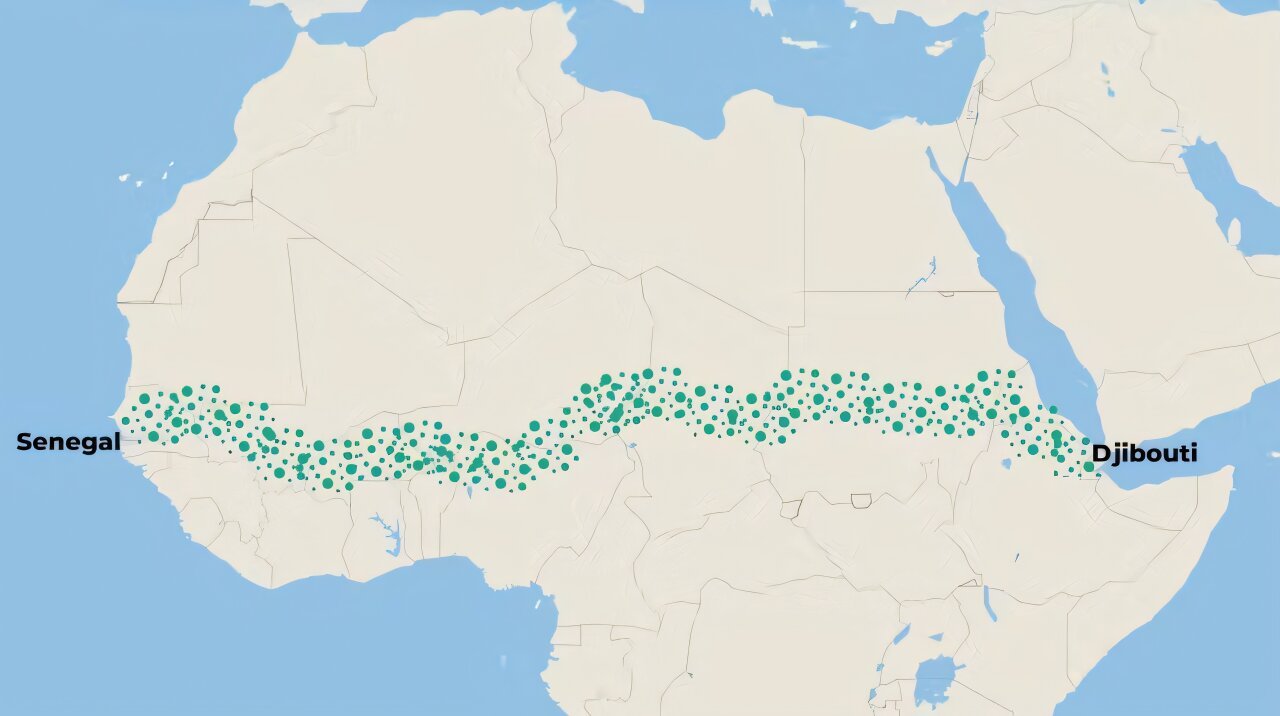
Africa’s Great Green Wall project was launched in 2007 with the goal of creating a 15-kilometer-wide barrier of trees across North Africa. Spanning 6,000 kilometers and 11 countries in the Sahel region, the initiative aimed to restore 100 million hectares of land from Senegal to Djibouti and Ethiopia. Beyond preventing the advancement of the Sahara Desert, the project also aimed to address climate change, poverty, and extremism.
Despite its ambitious goals, progress in Senegal has been slow. Reports indicate that very few planted areas in Senegal have shown significant progress, raising concerns about the overall success of the initiative. Challenges such as inadequate funding, lack of community involvement, and poor coordination have hindered the project’s development.
The Great Green Wall’s potential impact on combating desertification and promoting sustainable land use practices remains crucial. However, without effective implementation and widespread support, achieving the project’s objectives could be at risk. Senegal’s limited progress highlights the need for greater investment, stakeholder engagement, and strategic planning.
To overcome the current challenges, concerted efforts are required from governments, local communities, and international partners. Strengthening collaboration, increasing funding, and enhancing monitoring mechanisms can help revitalize the Great Green Wall initiative and unlock its full potential.
While Senegal’s experience highlights the hurdles faced by the Great Green Wall project, it also underscores the urgency of addressing environmental degradation and promoting sustainable development in the region. By reinvigorating the initiative and mobilizing resources effectively, Africa’s Great Green Wall can play a vital role in combating desertification and fostering resilience in the face of climate change.





Deixe um comentário