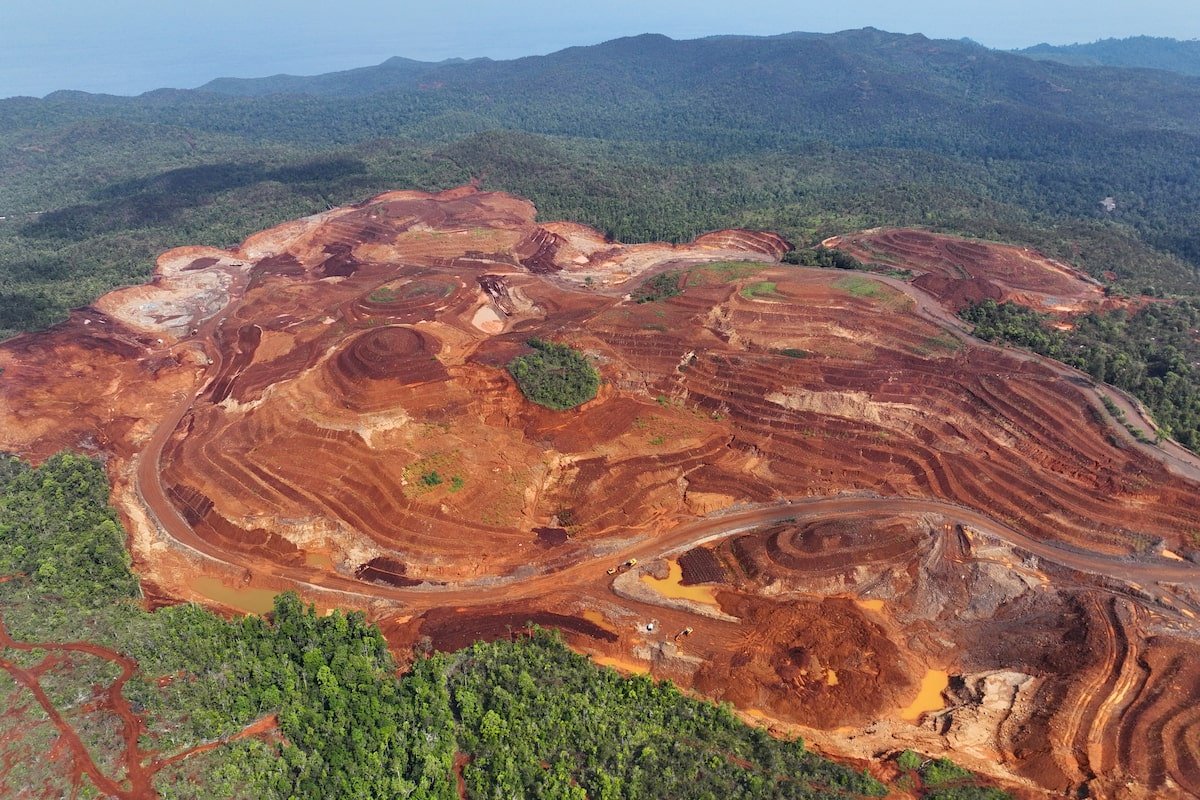
Indonesia, with one of the world’s largest nickel reserves, is facing severe environmental and health issues due to the expansion of its nickel industry. A recent report highlights the devastating consequences of this growth, attributing it to the global demand for electric vehicles and renewable energy. Mining activities in Indonesia have led to significant pollution and health hazards in the surrounding communities. The report also emphasizes the urgent need for stricter regulations and enforcement to protect both the local population and the environment.
According to the report, the increased demand for nickel, a crucial component in high-capacity batteries, has fueled the rapid expansion of Indonesia’s mining industry. While this growth has brought economic benefits to the country, it has come at a high cost to the environment and public health. The extraction and processing of nickel have resulted in water and air pollution, deforestation, and biodiversity loss in the affected regions. Local communities have reported various health issues, including respiratory problems and skin diseases, linked to exposure to mining activities and pollution.
Indonesia’s government has faced criticism for its inadequate oversight of the nickel industry, allowing companies to operate with little regard for environmental regulations. The report calls for immediate action to hold mining companies accountable for their harmful practices and to implement measures to mitigate the environmental impact. It also recommends greater transparency and community engagement to ensure that local populations are informed and involved in decision-making processes related to mining activities.
In response to the report’s findings, environmental activists in Indonesia have called for stronger regulations and safeguards to protect the environment and public health. They are urging the government to prioritize sustainable mining practices and renewable energy solutions to reduce the industry’s negative impact on local communities. The report serves as a wake-up call for all stakeholders to work together towards a more sustainable and responsible nickel industry in Indonesia, one that prioritizes the well-being of the people and the environment above all else.




Deixe um comentário