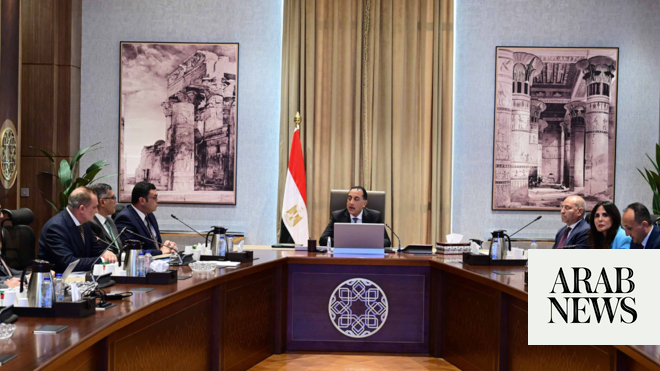
Egypt’s Prime Minister Mostafa Madbouly announced a new initiative to open up prime real estate along the Nile Corniche to private investors. The goal is to monetize underutilized state assets and increase government revenues. During a meeting at the government headquarters in the New Administrative Capital, Madbouly instructed authorities to hasten the plans to transform lands and buildings along the Nile Corniche.
The move is part of Egypt’s efforts to attract investment and stimulate economic growth. By offering prime real estate along the Nile Corniche to private investors, the government aims to tap into the potential of these underutilized assets. This strategy aligns with Egypt’s broader economic development goals, seeking to boost revenues and create new opportunities for investment in the country.
Opening up the Nile Corniche lands to investors could also spur tourism and infrastructure development along the iconic river. Private investment in these prime locations has the potential to enhance the overall landscape and attract more visitors to the area. By leveraging private capital, the government hopes to revitalize the Nile Corniche and unlock its economic potential.
Egypt’s decision to invite private investors to develop the Nile Corniche lands underscores the country’s commitment to maximizing the value of its resources. By partnering with the private sector, Egypt aims to drive growth, create jobs, and generate sustainable revenues. The move signals a proactive approach to economic development and strategic utilization of state assets for long-term prosperity.
Prime Minister Madbouly’s directive to expedite the transformation plans reflects the government’s determination to move swiftly on this initiative. By streamlining the process for investors and accelerating development projects along the Nile Corniche, Egypt aims to capitalize on the opportunities presented by this prime real estate. This proactive stance signals Egypt’s readiness to embrace private investment and leverage its assets for economic growth.




Deixe um comentário