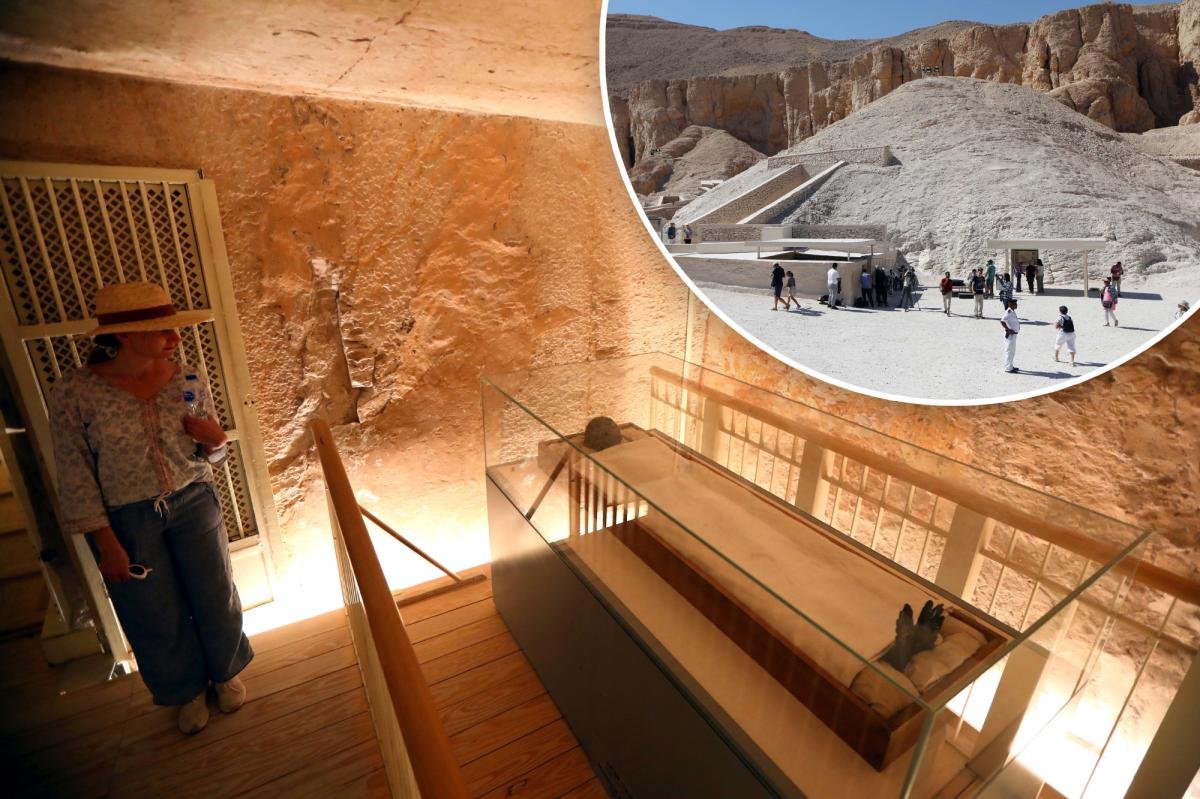
The ancient tombs in Egypt, particularly the famous tomb of Tutankhamun, are facing a serious threat. This burial site, which dates back 3,300 years, is currently suffering from cracks, water damage, and fungal infestation. Experts are concerned that the structural integrity of the tomb is compromised, with fears of a potential collapse looming over the archaeological site.
One of the main issues affecting the tomb is the presence of cracks. These fissures in the walls and ceilings of the burial chamber are signs of structural weakness. Combined with water damage and the growth of fungi, the situation becomes even more precarious. The delicate balance that has kept the tomb preserved for centuries is now at risk of being disrupted, raising concerns among experts and conservationists.
The dire state of Tutankhamun’s tomb has led experts to warn that a disaster could occur at any moment. The fragility of the ancient structure, coupled with the ongoing damage it is experiencing, paints a grim picture for the future of the burial site. Efforts are being made to assess the extent of the damage and find solutions to stabilize the tomb and prevent a potential collapse.
Preserving Egypt’s rich cultural heritage is of utmost importance, and Tutankhamun’s tomb is a significant part of that heritage. The discovery of the tomb in 1922 by Howard Carter was a monumental event in the field of Egyptology. It is essential to ensure that this remarkable archaeological site is safeguarded for future generations to appreciate and study.
Despite the challenges posed by the deteriorating condition of the tomb, there is hope that it can be saved. Conservation efforts, modern technologies, and expert knowledge are being utilized to address the issues threatening the stability of the burial site. With the right interventions and resources, it is possible to protect the legacy of King Tutankhamun and preserve this invaluable piece of ancient history.





Deixe um comentário