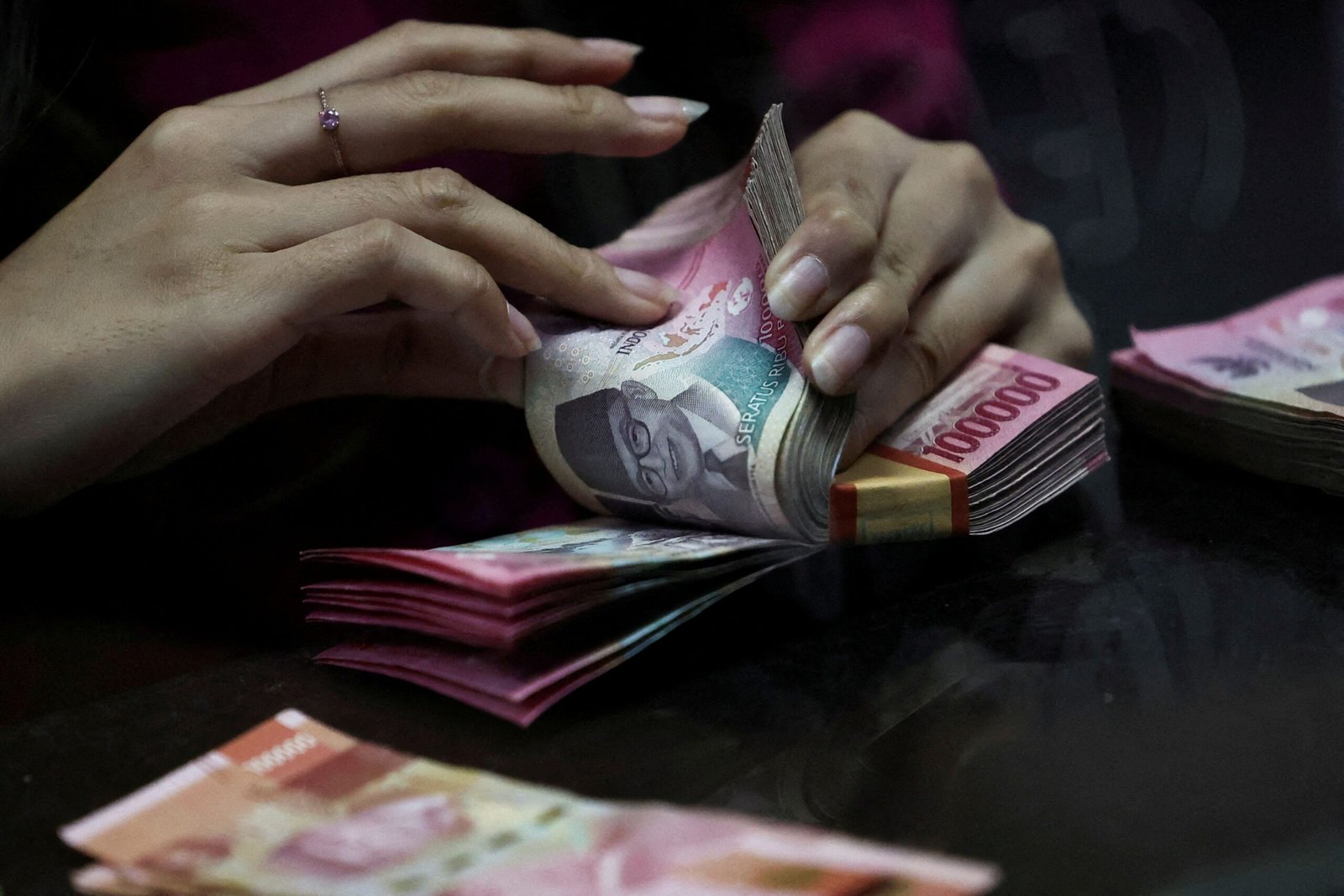
Indonesia’s central bank surprised markets by keeping key interest rates unchanged on Wednesday. This decision came after three consecutive cuts, signaling a pause as policymakers evaluate the effects of the previous reductions. Bank Indonesia chose to maintain the benchmark 7-day reverse repurchase rate at 4% as the country continues to navigate economic challenges caused by the COVID-19 pandemic.
“We now see room to pause and look at the transmission of our monetary policy steps,” Governor Perry Warjiyo said, highlighting the need to assess the effectiveness of the rate cuts on the economy. Despite holding rates steady, the central bank remains open to further easing measures in the future, depending on economic conditions and data indicators. This cautious approach aims to balance supporting growth while ensuring financial stability in Indonesia.
The decision to pause rate cuts reflects a shift in strategy as Bank Indonesia monitors inflation, exchange rates, and capital flows. With inflation below the target range and the rupiah stabilizing, policymakers are taking a careful approach to stimulate economic recovery. Governor Warjiyo emphasized the importance of maintaining a comfortable liquidity position in the banking system to support lending and investment.
In response to the central bank’s decision, the Indonesian rupiah held steady against the U.S. dollar, reflecting market expectations of a stable policy stance. Analysts believe that while rates were unchanged this month, future easing remains on the table as Indonesia seeks to bolster economic growth post-pandemic. The central bank’s next moves will depend on a range of factors, including domestic demand, global conditions, and progress in containing the virus.
Overall, Bank Indonesia’s decision to pause rate cuts underscores the importance of assessing the impact of monetary policy actions amidst ongoing uncertainty. By maintaining a cautious yet flexible stance, the central bank aims to support Indonesia’s economic recovery while safeguarding financial stability. As the country continues to face challenges from the pandemic, policymakers remain vigilant in navigating the path to sustainable growth.




Deixe um comentário