According to Oncoclínicas, Banco Master de Investimento (BMI) has committed to follow a repayment schedule of the CDBs in 20 installments of R$20 million to R$25 million, to be paid monthly between October of this year and May 2027. The original maturity date of the CDBs held by Oncoclínicas is unknown, but by obtaining a debt extension, it is likely to bring relief to Master’s cash flow. ‘We do not know the alternatives that Master had in order to say if the deal was good for the bank, but it certainly provides short-term relief,’ comments one observer. ‘It is one less problem for Master in the short term, but for Oncoclínicas it is still a risk. Regardless of the remuneration of the CDBs being maintained, the issue there is the risk of the bank failing. If there is an intervention, this CDB turns into R$250 million,’ points out another market participant, referring to the limit guaranteed by the Credit Guarantee Fund (FGC). The renegotiation also includes maintaining the CDBs’ remuneration rate and certain early maturity events, which, if met, make the value immediately due and automatically redeemable. In addition, Oncoclínicas may use the CDBs as payment for a call option of the Tessália and Quíron funds’ units. This exercise may occur if an early maturity event is verified and prior approval is obtained for the indirect acquisition of the company’s shares held by the funds at an extraordinary general meeting of shareholders. According to Pipeline, Valor’s business website, the 14.96% stake that Master holds in Oncoclínicas is precisely in Tessália and Quíron. In other words, if there is an intervention at Master, the Ferrari company could use the CDBs to repurchase its own shares. Both funds are managed by Reag and entered with R$1 billion in a capital increase promoted by Oncoclínicas in May of last year. For a long time, the market has speculated about some companies with a large volume of CDBs or other debt instruments from Master. Oncoclínicas appeared on this list, along with Metalfrio and Ambipar. At the end of last month, Metalfrio released a statement to the market stating that it had no commercial relationship with Banco Master, ‘nor does it have financial instruments — whether assets or liabilities — linked to this institution on its balance sheet.’ The connections between Master and companies invested in by funds somehow linked to the bank also affect other segments. As Valor reported last week, the State Court of Auditors of Rio de Janeiro (TCE-RJ) stated that Rioprevidência, the pension fund for state employees, allocated nearly R$1 billion in funds linked to Master between May and July of this year, when Vorcaro’s group’s problems were well known. The foundation defended the investments, stating that the funds are managed by Master Corretora and that it and the bank are distinct institutions, with different legal natures, regulatory functions, and operational structures. One of these funds is Texas, managed by Bluemac and has almost all of its assets invested in Ambipar stocks. In its defense, Rioprevidência states that Texas is a variable income fund ‘subject to normal market volatility.’ TCE-RJ highlights that Texas had 96.1% of its portfolio in Ambipar stocks, a ‘typical concentration of monoaction’ and ‘incompatible with the principles of diversification and protection.’

Oncoclínicas renegotiates R$ 478.2 million in CDBs linked to Banco Master

-
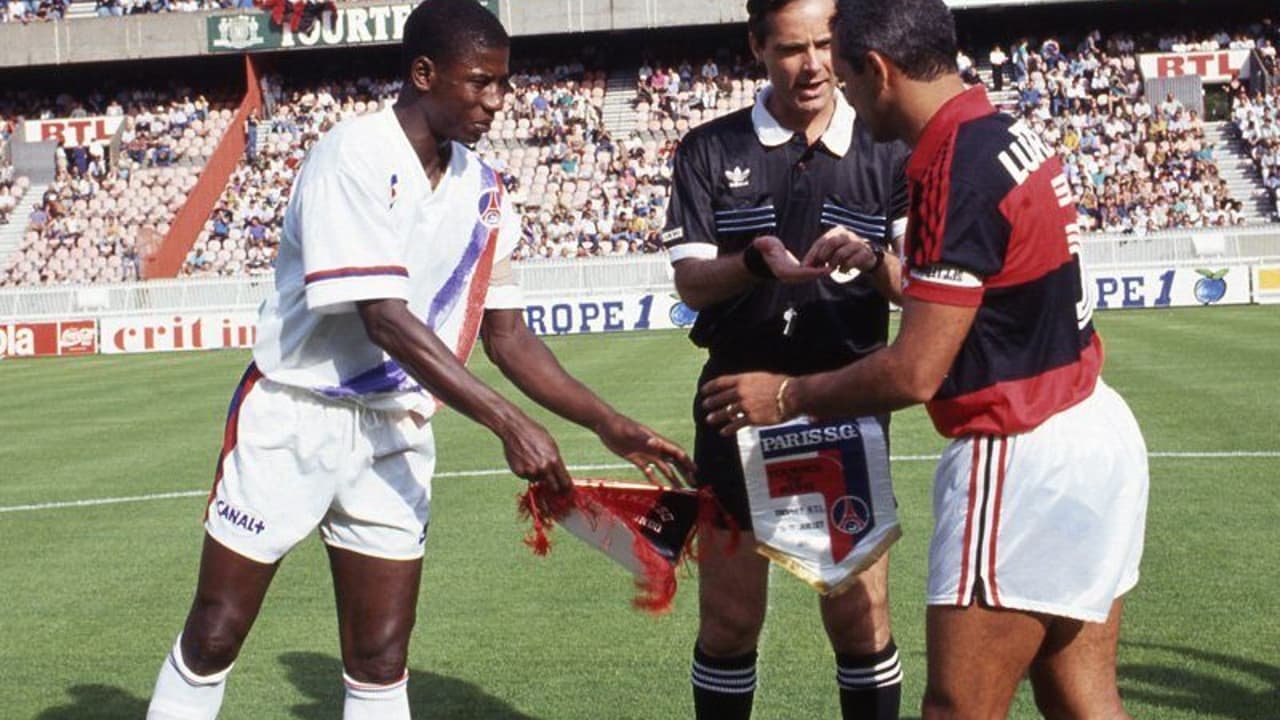
Flamengo and PSG have faced each other three times; check out their record
-

Indonesia Open Footgolf Tournament: Comedian Oki Rengga Admits Addiction, Wants to Become a Professional Athlete
-

Shameful Incident in Punjab! Landlord Rolls Tenant’s Daughter
-
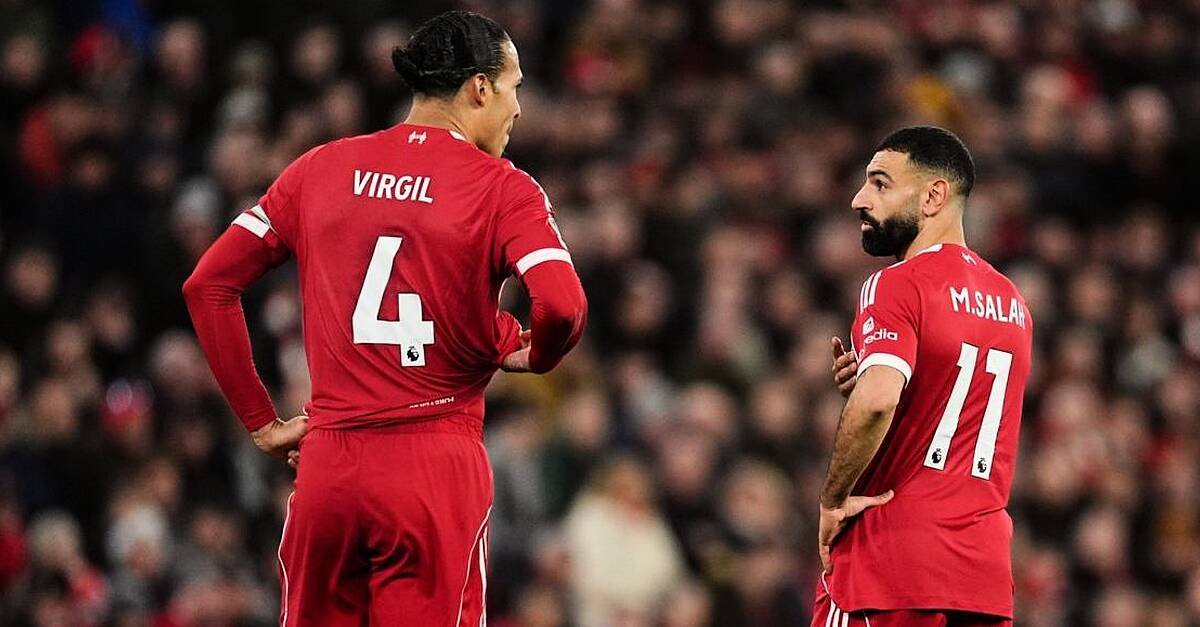
Virgil van Dijk Expresses Desire for Mohamed Salah to Stay at Liverpool
Deixe um comentário