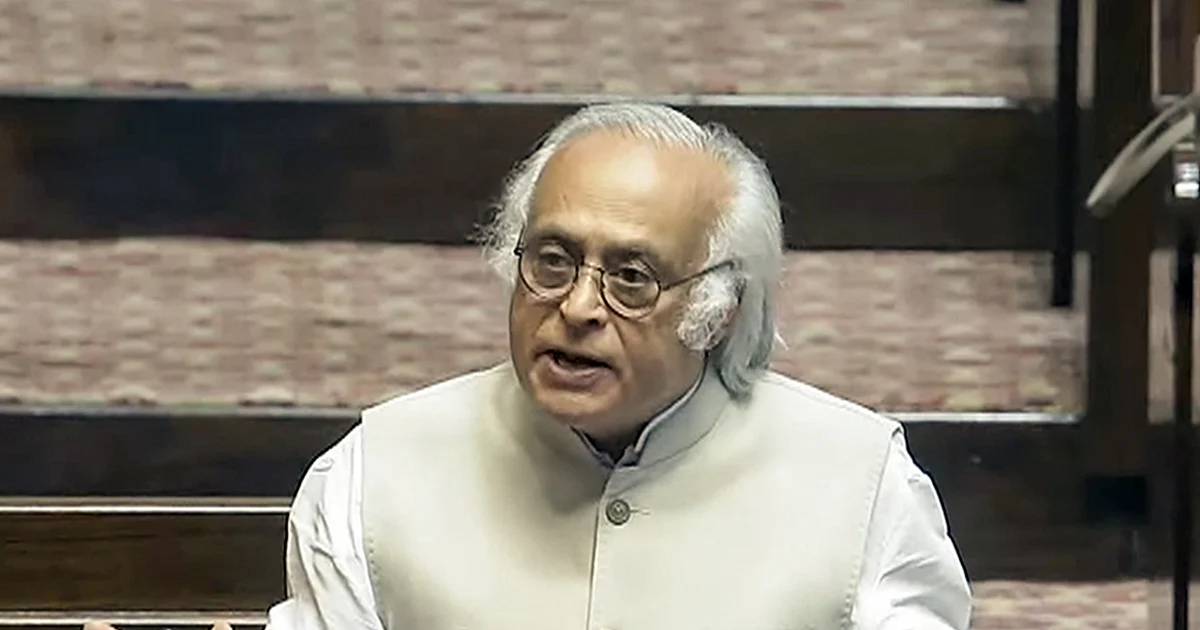
With Prime Minister Narendra Modi unlikely to attend the ASEAN summit in Malaysia, the Congress alleged on Thursday that Modi’s decision was due to his desire to avoid a potential meeting with US President Donald Trump. Jairam Ramesh of the Congress further claimed that Modi had previously skipped the Gaza peace summit in Egypt for a similar reason.
The Congress party asserted that Modi’s absence from the ASEAN summit was a deliberate attempt to avoid facing Trump, as both leaders have had strained relations in the past. By choosing not to travel to Malaysia for the summit, Modi was accused of trying to prevent any possible confrontations or challenging discussions with Trump on various issues.
Ramesh accused Modi of prioritizing his personal interests and image over the diplomatic responsibilities that come with participating in international summits. The Congress leader claimed that Modi’s decision to skip the ASEAN meeting was emblematic of his fear of engaging in open dialogue with Trump, indicating a lack of confidence in India’s foreign policy stance.
Additionally, the Congress pointed out that Modi’s absence could have negative implications for India’s diplomatic standing within the ASEAN region. By avoiding the summit, Modi risked missing out on crucial discussions and opportunities to strengthen India’s relationships with ASEAN member countries, potentially undermining the country’s strategic interests in the region.
The Congress’s allegations sparked a debate regarding Modi’s leadership style and approach to international relations. Critics questioned the Prime Minister’s commitment to engaging with global leaders and addressing critical issues on the world stage, suggesting that his decision to avoid the ASEAN summit could have broader implications for India’s foreign policy objectives.
In response to the allegations, the government reiterated that Modi’s decision not to attend the ASEAN summit was based on scheduling conflicts and was not motivated by a desire to avoid meeting with Trump. The government spokesperson emphasized that Modi’s absence should not be misconstrued as a lack of commitment to bilateral relations or engagement with the international community.
Despite the government’s clarification, the controversy surrounding Modi’s absence from the ASEAN summit continued to fuel speculation and scrutiny. The Congress remained firm in its stance, criticizing Modi’s perceived reluctance to engage with global leaders and raising concerns about the implications of his actions on India’s diplomatic reputation.




Deixe um comentário