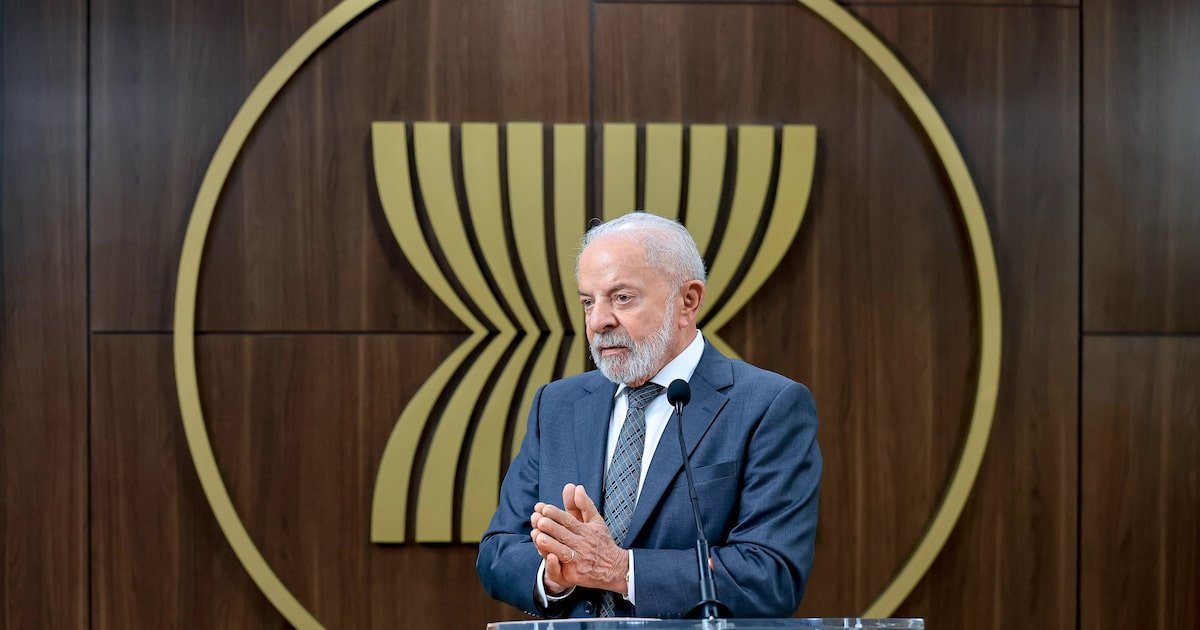
The President Luiz Inácio Lula da Silva (PT) became the target of criticism from the opposition after stating, during an official agenda in Indonesia this Friday, 24, that ‘traffickers are victims of users too’. The statement immediately generated reactions among political analysts and leaders. Lula’s comment that ‘soon, the PCC will become an NGO’ sparked controversy among those who believe in a tougher stance against drug trafficking. The opposition highlighted the seriousness of drug-related crimes and the harmful impact on society, contradicting Lula’s viewpoint.
Critics pointed out the dangers of trivializing drug trafficking by framing criminals as victims of drug users. The statements made by Lula were seen as minimizing the responsibility of drug traffickers for their illicit activities and the consequences they bring upon communities. The opposition emphasized the importance of fighting drug trafficking with strong law enforcement and prevention measures, rather than sympathizing with criminal organizations. The debate intensified as political figures and experts voiced contrasting opinions on how to address the complexities of drug-related issues in society.
The event in Indonesia became a platform for discussions on the stance towards drug trafficking, with Lula’s comments stirring a national debate on the topic. Authorities, civil society organizations, and the public engaged in conversations about the root causes of drug-related problems and the most effective strategies to combat them. Lula’s statement ignited a broader conversation about the responsibilities of leaders in shaping public opinion and policies regarding criminal activities, especially those with far-reaching social implications.
As the controversy surrounding Lula’s remarks grew, the opposition continued to criticize the leniency perceived in his stance towards drug traffickers. Calls for a more decisive approach to addressing the criminal networks responsible for drug trafficking gained momentum, with demands for stricter measures and clearer condemnation of illegal activities. The political landscape was marked by polarization as different factions articulated contrasting views on the appropriate methods to tackle drug-related issues and ensure public safety and well-being.
In the aftermath of the criticism directed at Lula’s comments, discussions on drug trafficking evolved into broader reflections on social responsibility, law enforcement strategies, and the role of political leaders in shaping public discourse. The debate spurred by Lula’s statement highlighted the complex nature of drug-related challenges and the necessity for comprehensive approaches that consider the multifaceted dimensions of these issues. The opposition’s condemnation of Lula’s remarks underscored the divergent perspectives within Brazilian society regarding the most effective ways to address drug trafficking and its detrimental effects on communities.



Deixe um comentário