Yup, Upin & Ipin have been accompanying many people since their first broadcast on September 14, 2007 in Malaysia, and amazingly, they are still popular among different generations. Initially created as a special Ramadan show, this 3D animated series produced by Les’ Copaque Production garnered high audience enthusiasm, leading it to continue and even make its way onto Indonesian television screens. Interestingly, in Indonesia, their popularity is arguably greater than in their home country. Upin & Ipin made their first appearance in Indonesia in 2008 on TPI (now MNCTV). The episode duration, originally intended for only 30 minutes, was extended to 1-2 hours to fit Indonesian TV time slots. The result? A huge success! From children to adults, everyone watched Upin & Ipin, making it a family program. Since 2018, MNCTV has acquired the primary broadcast rights to this series. One of the reasons why Upin & Ipin are easily loved is due to their highly relatable story. The series portrays simple village life in Kampung Durian Runtuh, complete with traditions, food, and typical children’s games. If you pay attention, the atmosphere closely resembles rural life in Indonesia. Not to mention the moral messages and religious undertones that frequently appear in each episode, perfectly tailored for viewers who enjoy family-friendly content full of positive values. Due to Indonesia’s significant viewer influence, Les’ Copaque even created a special character for us: Susanti from Jakarta. Susanti first appeared in the episode ‘Berpuasa Bersama Kawan Baru’ (season 3) and quickly became a beloved character. Initially a background character, Susanti became a crucial part of the Upin & Ipin gang due to the overwhelming Indonesian fanbase. Her presence continues to symbolize the close relationship between the two neighboring countries. When discussing Upin & Ipin, it’s incomplete without mentioning their legendary song: ‘Sahabat Selamanya’ by the band Padi. Released in 2010, this track not only serves as a catchy soundtrack but also conveys a profound message about cross-border friendship. The song was created to ease tensions between Indonesia and Malaysia at that time, emphasizing that true friendship knows no boundaries. Additionally, other songs like ‘Boria Suka-Suka’ and ‘Goyang Upin Ipin’ with a distinct dangdut flavor have successfully resonated with Indonesian fans. An essential strength of Upin & Ipin lies in their diverse and colorful characters. From the cheerful Upin, innocent Ipin, strict yet caring Kak Ros, honest Mail, to always hungry Ehsan, each character possesses a unique personality that makes them easily memorable. This character variety keeps the series dynamic and fresh even after being on air for over 15 years. Furthermore, in the current social media era, Upin & Ipin characters are often turned into memes by Indonesian netizens. detikpop has also covered Upin & Ipin characters along with their habits in the following article.

The Secret Behind the Everlasting Popularity of Upin & Ipin in Indonesia

-
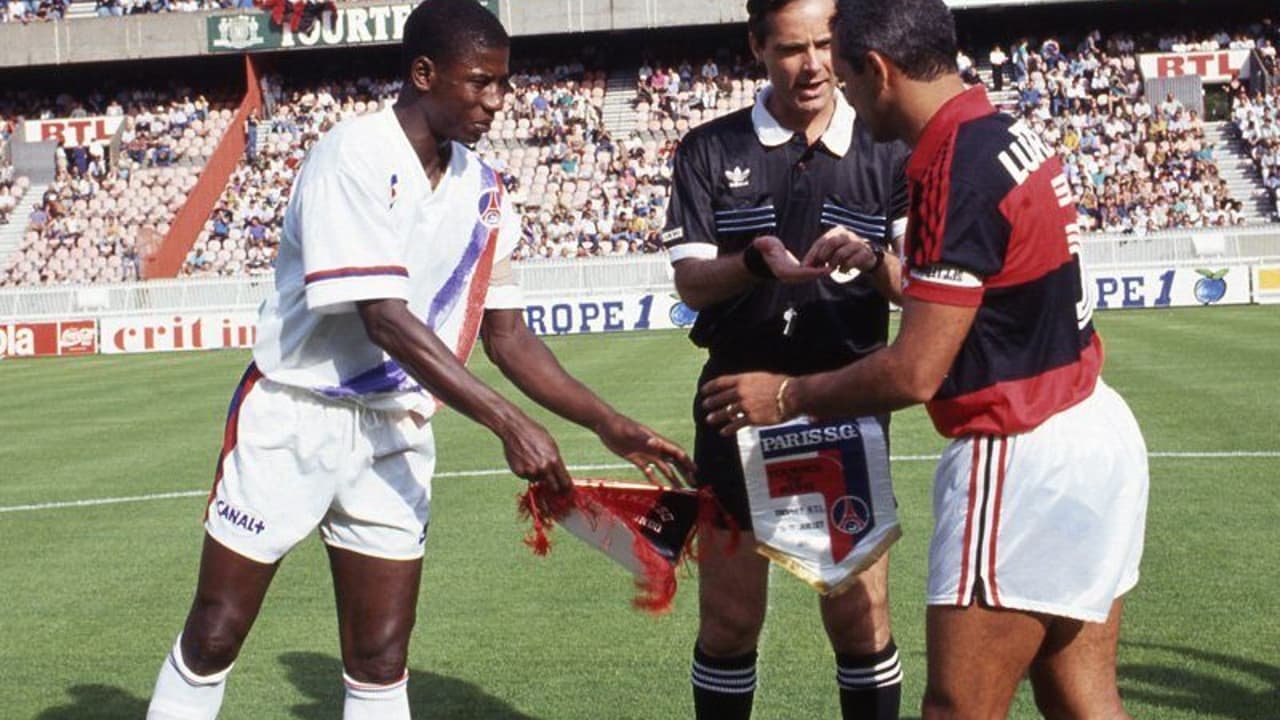
Flamengo and PSG have faced each other three times; check out their record
-

Indonesia Open Footgolf Tournament: Comedian Oki Rengga Admits Addiction, Wants to Become a Professional Athlete
-

Shameful Incident in Punjab! Landlord Rolls Tenant’s Daughter
-

Virgil van Dijk Expresses Desire for Mohamed Salah to Stay at Liverpool
Deixe um comentário