Jakarta – The issue of music royalties in Indonesia has finally entered a new phase. This time, two major musician factions that had been at odds finally sat down together. At a Public Hearing Meeting (RDPU) with the Legislation Body (Baleg) of the Indonesian House of Representatives on Tuesday (11/11/2025), Vibrasi Suara Indonesia (VISI) and the Indonesian Composers Association (AKSI) finally united their voices. The meeting held at the Senayan Parliament Complex was attended by big names like Ariel NOAH, Armand Maulana, Fadly Padi, and Vina Panduwinata from the VISI faction, as well as Piyu Padi Reborn and Ari Bias from AKSI. This moment felt historic, as they both brought a spirit to fight for justice and transparency for the stakeholders in the Indonesian music industry. Despite previously being on opposite sides, songwriters and singers, both parties finally realized that their struggle had the same goal: creating a healthy music ecosystem that supports artists. It’s not just about who should pay royalties, but how the system can be more modern, digital, and not complicated. From this meeting, several important points emerged and were agreed upon, ranging from digitizing the royalty system, improving the system for copyright and neighboring rights associations (LMK-LMKN), to emphasizing that event organizers, not singers, are required to pay performance rights. Let’s discuss each important point from this meeting. 1. Crucial Moment for AKSI AKSI representative, Piyu (Padi Reborn), called this RDPU a crucial step to fight for the rights of songwriters before the parliament. ‘Today is one of the most crucial moments in AKSI’s struggle,’ said Piyu. According to him, many copyright regulations are misguided, and many songwriters are not prosperous. ‘Many implementations are off the mark. As a result, many songwriters are not prosperous and do not receive justice.’ Piyu emphasized that AKSI’s struggle is not for individuals but for the interests of all songwriters in Indonesia. ‘AKSI fights for songwriters because it is an mandate of Copyright Law and the 1945 Constitution.’ 2. VISI Defends Singers’ Rights from Legal Uncertainty While from VISI, Ariel NOAH affirmed that their organization focuses on protecting the rights of singers who often face legal uncertainty. ‘From VISI, we represent singers. Although I am also a songwriter, here we are defending the rights of the singers,’ explained Ariel. He cited a case of a legendary singer being sued for singing their own songs. ‘Two weeks ago, a legendary singer was sued for singing their own song. This is what we are fighting for, especially for singers in areas without protection.’ However, Ariel also appreciated AKSI’s statement that singers are not obliged to pay royalties when performing on stage. ‘We are pleased that AKSI has made a statement that singers are not required to pay when singing a song. This is a step forward.’ 3. United to Push for Digitalization of Royalty System To create transparency, both organizations agreed to push for the digitalization of the music royalty system. Piyu mentioned that the current manual system is outdated. ‘So far, LMK and LMKN have not been digital, still manual, and must go directly to the event location. This needs to be changed.’ Ariel added that improving LMK and LMKN is key to ensuring royalties are distributed fairly. ‘We both want digitalization. LMK and LMKN need to be improved so that who receives royalties and the amounts are clearly visible.’ 4. Performance Rights Royalty – Not the Singer’s Responsibility They both agreed that event organizers, not singers, are responsible for paying performance rights royalties. ‘We are pleased that there is a direct statement from AKSI that singers are not required to pay royalties for performance rights,’ said Ariel. Piyu confirmed this, stating that this mechanism is already regulated in Minister of Law and Human Rights Regulation Number 27 of 2025. ‘We agree, it has always been like that. But due to the lack of transparency from organizers to LMK, creators seem to be unable to claim. This needs to be fixed.’ 5. Transition Period and New Hope for LMKN AKSI member, Ari Bias, explained that the music industry is currently going through a transition period following the moratorium from the Ministry of Law and Human Rights. ‘LMKN has prepared a digital platform for licensing registration and music performance royalty payments.’ He hoped that this digital system could bring about real change. ‘We will see the results. I am still monitoring whether its performance will be truly effective.’
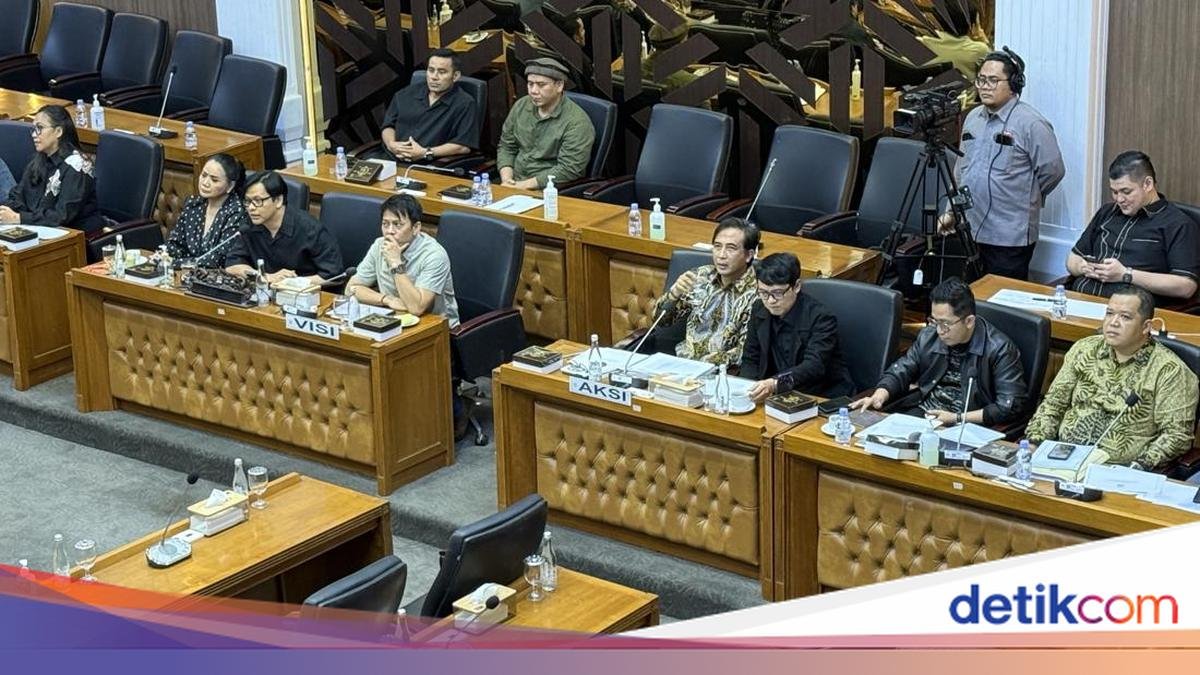
5 Facts about VISI and AKSI’s Fight for Royalty Justice in Indonesian Parliament

-
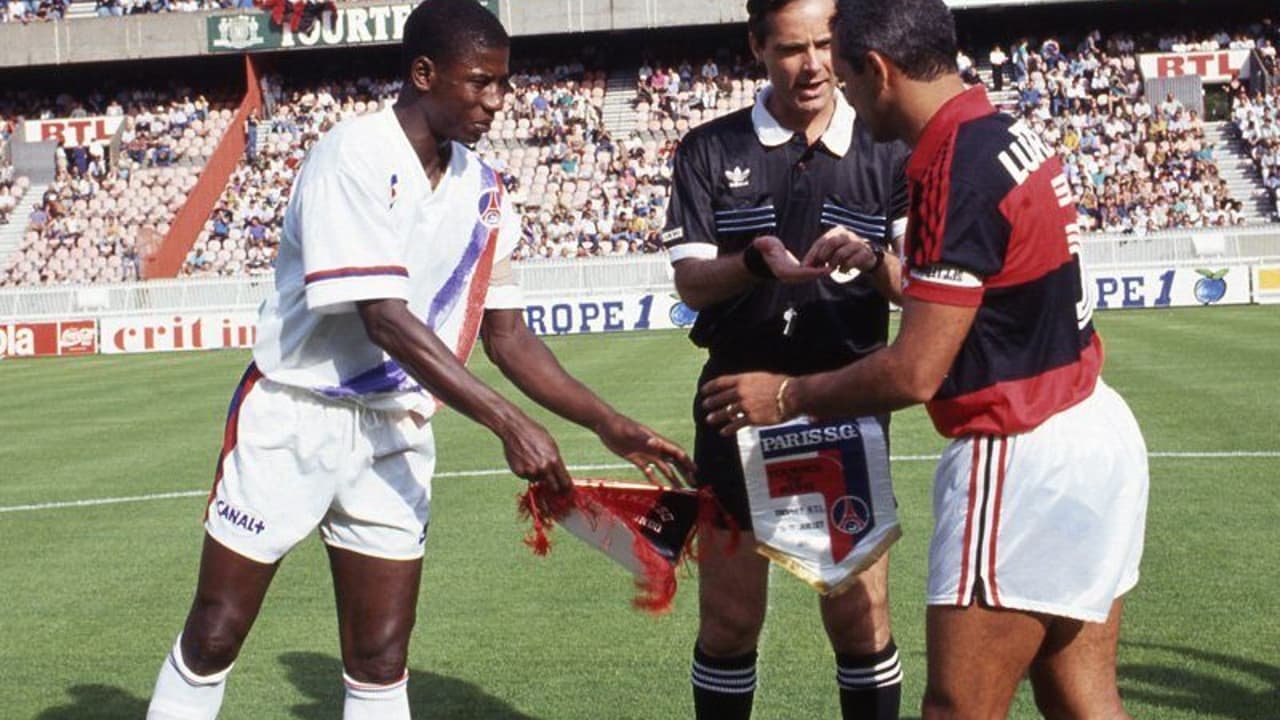
Flamengo and PSG have faced each other three times; check out their record
-

Indonesia Open Footgolf Tournament: Comedian Oki Rengga Admits Addiction, Wants to Become a Professional Athlete
-
Shameful Incident in Punjab! Landlord Rolls Tenant’s Daughter
-

Virgil van Dijk Expresses Desire for Mohamed Salah to Stay at Liverpool
Deixe um comentário