Author Emma Ford, Matt Toulson Role, The Inquiry, BBC World Service. Author Janhavi Mule Role, BBC News Marathi. Social media sensation Girija Oak recently expressed concern about explicit photos created using AI. Known for her work in Marathi, Girija had met with a Hindi YouTube channel before gaining nationwide fame and receiving posts from several social media users. Some posts and AI-generated memes were amusing, but some posts were worrying and frightening, prompting Girija to respond later. In a video posted on Instagram, she mentioned how seeing her son growing up made her realize the importance of protecting her own identity and avoiding harmful content online. “The way distorted photos are created to go along with trending topics, it’s scary how people create them without any rules for likes. Likes might not mean much, but the people who create and post such images deserve at least some encouragement.” Girija is not the only one concerned about these types of photos. Celebrities like Aishwarya Rai, Abhishek Bachchan, and Karan Johar from Bollywood have also taken legal action to protect their personal rights in court. This means that the use of a person’s face or voice for such things requires their permission, and no one can do it for commercial reasons without it. Prior to this, Bollywood actors Anil Kapoor and Jackie Shroff also fought for their rights in court. But Aishwarya, Abhishek, and others have now raised concerns about inappropriate websites and profiles using AI to create explicit content. Meanwhile, Hollywood actress Scarlett Johansson previously accused ‘OpenAI’ of using her voice to create deepfake models for use in chatbot models. Deepfake content, which is sometimes created for humor or parody, can still be illegal. The complication arises when considering the manipulation of someone’s face or voice without their consent. Amid the advancement of technology, the question arises: can we save ourselves from being digitized or copied? Is it time now to copyright our faces? Countries such as Denmark have made significant changes to copyright laws to address such issues. According to copyright laws, the creator has the exclusive rights to their work, and it is illegal for others to copy and distribute it without permission. The Danish government now extends copyright protection to a person’s face, voice, and demeanor. Gitte Lovgren offers more insights on this issue. Gitte, an expert in digital copyright, is active as a lawyer at a law firm in Denmark. The Danish government has recognized the rights of individuals to have copyright over their artistic expressions. ‘Copyright laws provide protection for intellectually created works. These include human expressions which are uniquely personal and linked to one’s identity. This law allows protection for their unique expression to be preserved.’ The copyright law did not deal extensively with the issue of digital replicas before. Mostly physical elements like artwork or books were prevented from being copied under this law. The phenomenon of reproducing objects is essential to ensure that the person who authored the piece is not disadvantageous when others imitate it. Time and technological advancement have now made it possible to create digital replicas that impersonate faces and voices. These are so convincing that many easily trust them. Deepfake technology is now readily available, and its use for creating replicas of faces and voice is recognized. How then should copyright laws be modified to prevent unethical activities such as deepfake content Bob McFlavorm prefers not to address this question directly. He points out that such technology is constantly evolving. Creative minds now have to be more vigilant regarding copyright infringement and content piracy. ‘Generating artificial intelligence constantly transforms and updates. Finding a balance between what may be harmful and the extent of potential damage is difficult. AI is a form of technology that is continuously evolving. Therefore, creating laws to determine what may be harmful and the extents of potential damage are essential.’ So, while it may not come across as a deepfake, some reforms should indeed be imposed. Keeping track of the information we share when sharing our faces and videos is essential to protect against misuse.
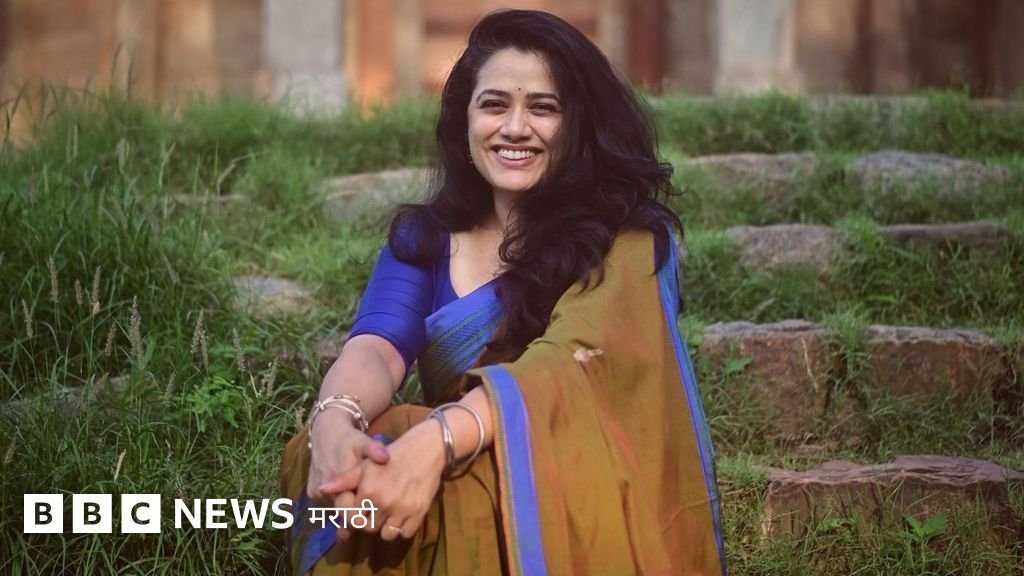
From Girija Oak to Aishwarya Rai, Everyone Is Worried About AI-Generated Photos, Is It Time to Copyright Your Face?

-
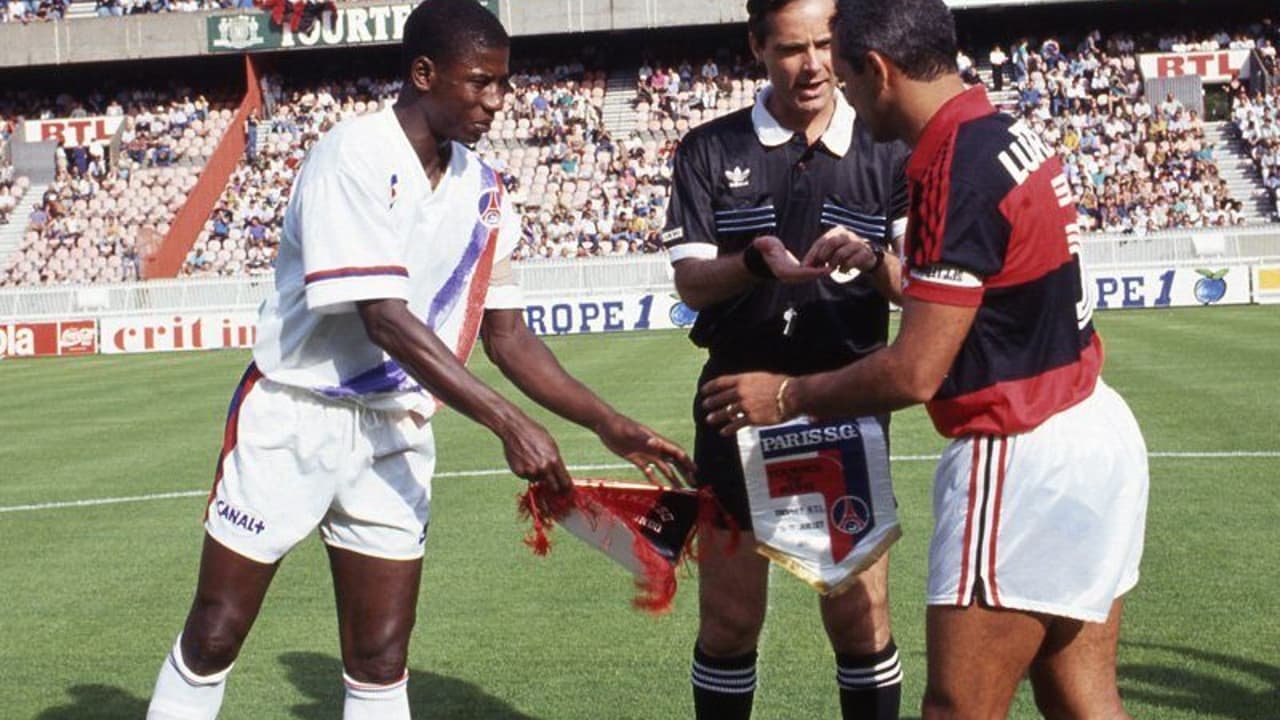
Flamengo and PSG have faced each other three times; check out their record
-
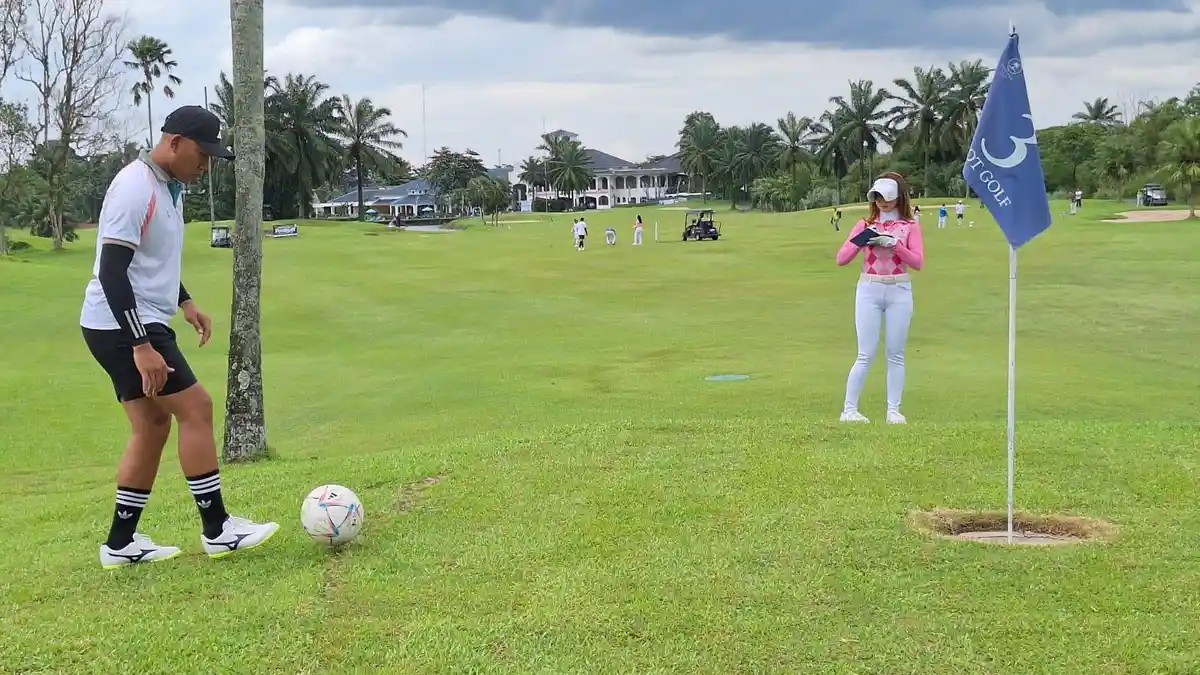
Indonesia Open Footgolf Tournament: Comedian Oki Rengga Admits Addiction, Wants to Become a Professional Athlete
-
Shameful Incident in Punjab! Landlord Rolls Tenant’s Daughter
-
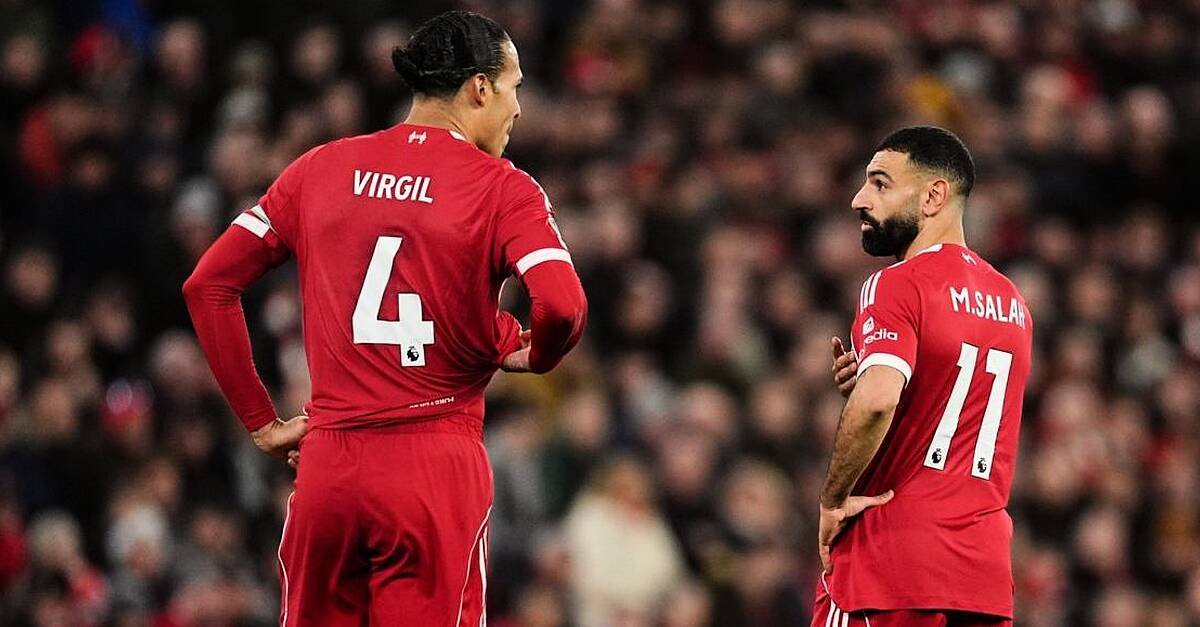
Virgil van Dijk Expresses Desire for Mohamed Salah to Stay at Liverpool
Deixe um comentário