Egypt’s Minister of Electricity and Renewable Energy, Mahmoud Essmat, revealed that Egypt and Russia have recently signed a significant agreement concerning the development of small nuclear reactors. These portable reactors are designed to provide electricity in remote areas not connected to the national grid. In an interview, Essmat highlighted the importance of these floating reactors in generating power and operating local networks efficiently.
The bilateral agreements encompass a technology transfer initiative, focusing on cutting-edge engineering technologies like 3D printing. Russia has demonstrated a willingness to support Egypt in various sectors, such as batteries and energy storage. The Arab Organization for Industrialization is also involved in localizing certain aspects of Egypt’s nuclear industry.
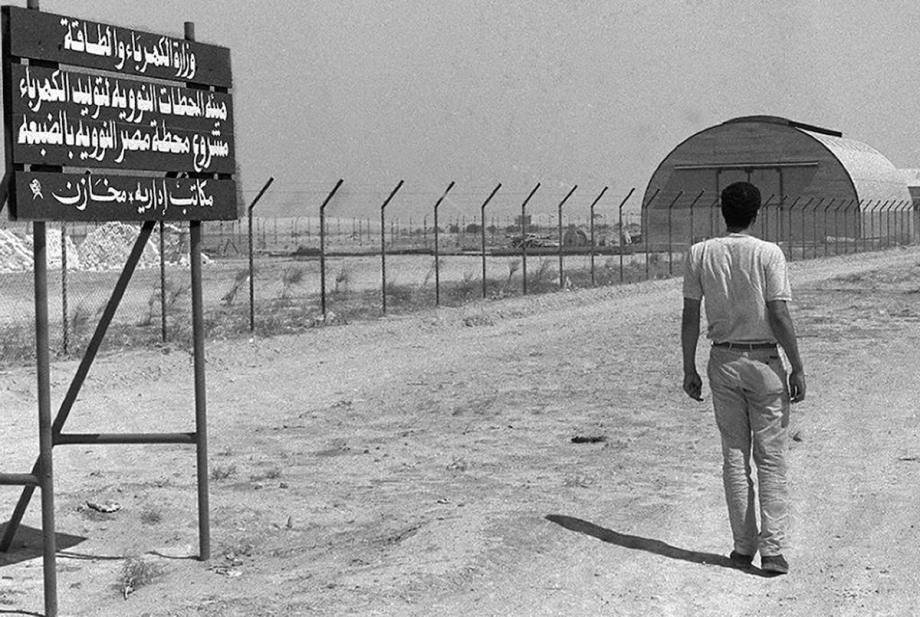
Notably, efforts are underway in Egypt to manufacture generators for the nuclear plant, with a timeline set for completion by 2027. Russian specialists will oversee the initial operation of the units before Egyptian engineers assume full control. The Dabaa nuclear plant is expected to contribute 12% of Egypt’s total power capacity and lead to savings of eight billion cubic meters of gas while reducing carbon emissions by 16 million tonnes.
Essmat emphasized the plant’s role in ensuring a stable electricity supply regardless of fluctuations in renewable sources or fossil-fuel-based generation. The project marks a strategic move towards sustainable energy solutions and reduced environmental impact in Egypt’s power sector.





Deixe um comentário