Hayli Gubbi, a dormant shield volcano in Ethiopia’s remote Afar region, erupted explosively, launching a huge plume of ash and sulfur dioxide up to 15 km high, as reported by Khaleej Times. The eruption, detected on November 23 through satellite imagery in the desolate Danakil Depression, led to the ash cloud moving eastward across the Red Sea towards Yemen and Oman. This triggered aviation alerts and air-quality advisories in parts of the Arabian Peninsula. According to the Global Volcanism Program, Hayli Gubbi had no known eruptions in the past 10,000 years, making this event unexpected and scientifically significant. With no ground-based monitoring, satellite data is the primary source of confirmation for the eruption. Authorities in the Arabian Peninsula issued air-quality advisories due to rising sulfur-dioxide levels, leading to flight diversions and precautionary routing as the ash plume spread across the region. With the extreme conditions in the Afar region, including high temperatures and difficult terrain, it may take time before a full assessment of the eruption’s impact can be made. Field teams are unable to reach the site immediately, relying on satellite observations to track the volcano’s behavior and potential risks. This recent volcanic event is considered one of the most significant to occur in the Horn of Africa in recent years.
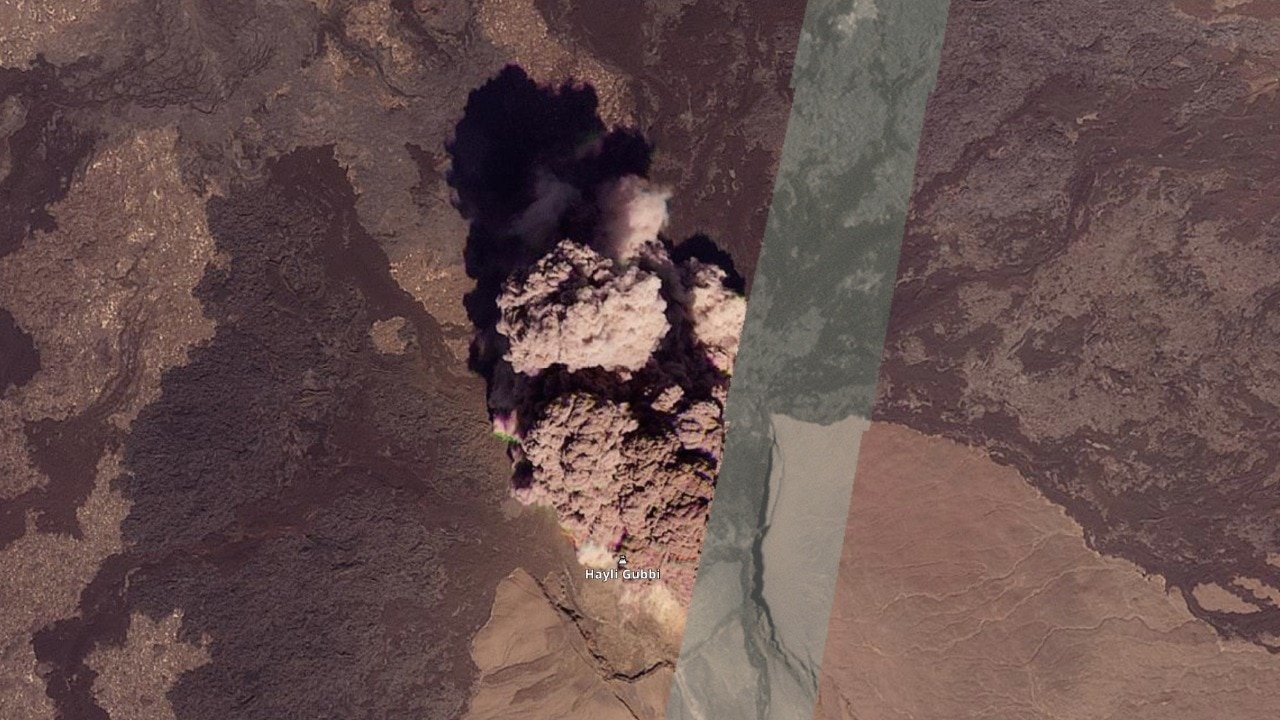
Ethiopia’s Hayli Gubbi Volcano Erupts After 10,000 Years, Spews Massive Ash Cloud

-

Flamengo and PSG have faced each other three times; check out their record
-

Indonesia Open Footgolf Tournament: Comedian Oki Rengga Admits Addiction, Wants to Become a Professional Athlete
-

Shameful Incident in Punjab! Landlord Rolls Tenant’s Daughter
-

Virgil van Dijk Expresses Desire for Mohamed Salah to Stay at Liverpool
Deixe um comentário