The Brazilian Football Confederation (CBF) presented on Wednesday (26) the model of financial fair play that will come into effect from 2026. When it comes to teams with high-cost squads, the key rules focus on balancing player expenses with revenues. According to the document, squad costs (including salaries, bonuses, image rights, and amortizations) must be equal to or less than 70% of the sum of revenues, transfers, and investments. The transition period for this model will be in 2026 and 2027, with results reported in 2025 and 2026 subject to warnings. From 2028, the cost can reach a limit of 80% for Serie A and B, and from 2029, a limit of 70% for Serie A and 80% for Serie B. When it comes to debts, the financial fair play rules address short-term indebtedness, with the Brazilian regulation stating that net short-term debt must be equal to or less than 45% of relevant revenues. The transition will be until 2027, with any breaches reported in 2025 and 2026 resulting in warnings. From 2028 to 2030, implementation will be gradual, with a limit of 60% for 2028, 50% for 2029, and a definitive limit of 45% from 2030 onwards. Currently dominating the national scene, Flamengo and Palmeiras are not among the most indebted clubs in Brazil, even when considering the overall scenario, not just the specifics outlined in the document. Rules of the financial fair play model divided into each pillar: Control of overdue debts Monitoring three times a year: March 31, July 31, and November 31; Debts prior to 2026 can be regularized until November 30 next year; Debts incurred after January 1, 2026, will already be subject to the new rules. Operational balance All Serie A and Serie B clubs must end the year with an operational surplus; For teams in the top division, the maximum deficit is R$30 million or 2.5% of revenues; for Serie B teams, R$10 million or the same 2.5%; Expenditures on youth teams, infrastructure, social projects, women’s football, and Olympic sports will not be included; The full implementation of the model will occur in 2028, with 2026 and 2027 as transition years. Control of squad costs Squad costs must be less than or equal to 70% of revenue, transfers, and investments; The transition will take place in 2026 and 2027. From 2028, costs can reach 80% and will decrease to 70% (for Serie A clubs) in 2029. Short-term indebtedness capacity

Are Flamengo and Palmeiras at risk of losing their hegemony with the new financial fair play rules?

-
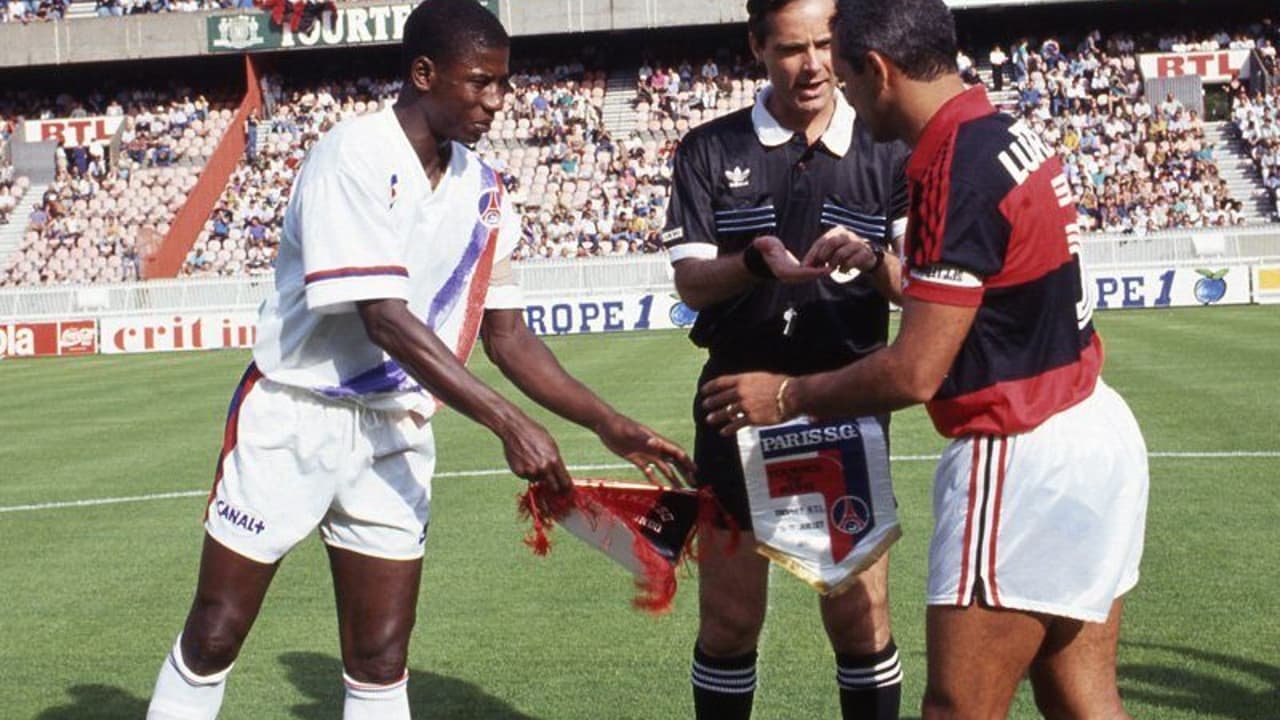
Flamengo and PSG have faced each other three times; check out their record
-

Indonesia Open Footgolf Tournament: Comedian Oki Rengga Admits Addiction, Wants to Become a Professional Athlete
-

Shameful Incident in Punjab! Landlord Rolls Tenant’s Daughter
-

Virgil van Dijk Expresses Desire for Mohamed Salah to Stay at Liverpool
Deixe um comentário