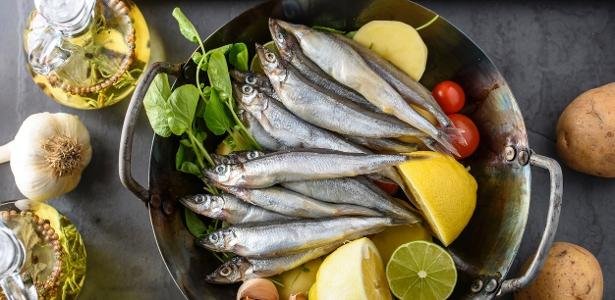
It is estimated that hepatic steatosis, popularly known as liver fat, affects between 25% and 30% of the world’s population. As the prevalence continues to rise, scientists are exploring ways to prevent this disorder, including investigating potential protective components in the diet. A new study, published in October in the journal Nutrients, shows that consuming fish rich in omega-3 may help reduce the risk of the disease.
To reach this conclusion, scientists from universities in Australia and Italy analyzed data from 1,297 adults participating in the Nutrihep study conducted with residents of the Mediterranean region. In addition to undergoing various tests, such as ultrasound to assess the liver, participants answered questionnaires about habits, especially dietary habits. Among those who consumed more sardines and salmon, a lower accumulation of liver fat was observed.
According to nutritionist Celso Cukier from Einstein Israelite Hospital, although there is no doubt about the benefits associated with a diet rich in fish, more research is needed to confirm the findings. After all, it is an observational study, meaning it does not establish cause and effect.
It is not possible to isolate just one type of food when it comes to non-alcoholic fatty liver disease, another designation for the disorder. ‘Prevention depends on lifestyle, including diet, physical activity, weight management, and other factors,’ emphasizes the doctor.
Studies show that obesity is one of the main risk factors. This is because excessive weight gain favors changes in metabolism and hormone levels that contribute to the deposition of triglycerides, a fatty molecule, in hepatocytes (liver cells).
This is why liver fat is called fatty liver disease associated with metabolic dysfunction. The disorder can progress to an inflammatory process, leading to steatohepatitis, causing the formation of scars and triggering dangerous cirrhosis.
Omega-3 is recognized for its anti-inflammatory properties, making it beneficial for liver protection and overall health. This substance is a type of fat, or fatty acid, and belongs to the polyunsaturated group. Among the most studied omega types, EPA and DHA stand out. While eicosapentaenoic acid (EPA) is associated with benefits to arteries, docosahexaenoic acid (DHA) supports the brain. Both have anti-inflammatory properties.
Fatty fish—such as salmon, sardines, and tuna—contain both. It is important to note that fish are also excellent sources of protein, minerals such as phosphorus, zinc, and iron, as well as B vitamins and other nutrients. ‘In addition to offering all these protective substances, sardines are a very affordable fish in the Brazilian market,’ highlights Cukier.





Deixe um comentário