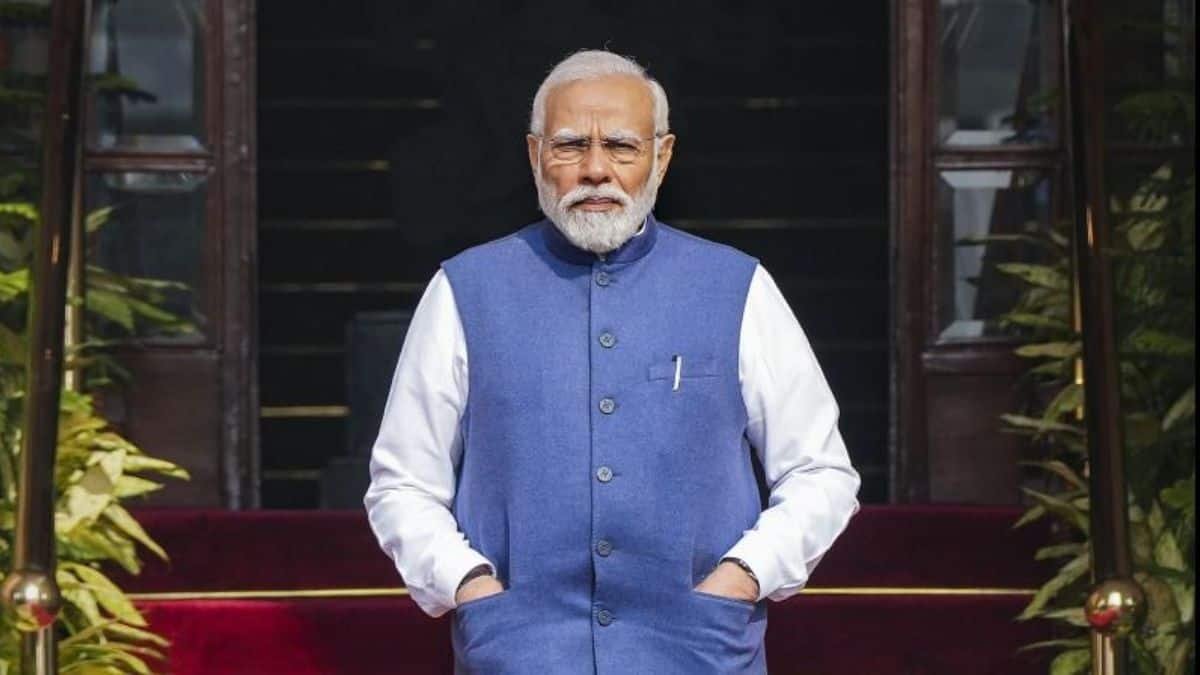
Multilateralism is facing challenges with diffused power and declining institutional capacity. India’s diplomatic balancing will be tested in 2026 as it chairs Brics during the group’s expansion phase and the US leads the G20 to rebuild global economic confidence. India’s role as a bridge between the Global South and the West will be closely observed, highlighting how countries aim to shape a shifting global system.
India’s pragmatic diplomacy will be under scrutiny as it navigates the contrasting dynamics of Brics and the G20. Brics, a coalition of emerging powers advocating for fairer global representation, contrasts with the G20’s focus on stability and rebuilding norms. India’s challenge lies in operating within both spheres without being overshadowed by their competing priorities, showcasing the need for multilateral reform rather than rejection.
The year 2026 presents a critical juncture for India’s global leadership as it helms Brics amid the group’s expansion and evolving expectations, while the US steers the G20 to enhance international order stability. As these two presidencies run concurrently, they offer insights into the evolving landscape of multilateralism amidst geopolitical shifts and demands from the Global South.
India’s unique position as a country straddling different worlds puts it at the center of global governance discussions. Its dual identity allows for influencing a broad Global South agenda within Brics while deepening ties with Western allies. By focusing on practical cooperation in areas like development financing and digital governance, India aims to avoid great-power rivalries and lead by example.
The G20, presently facing internal divisions over key issues, will look to the US presidency to revive consensus and deliver on global challenges such as financial stability and climate financing. India, building on its successful G20 presidency in 2023, can use this opportunity to shape outcomes by coordinating with developed and developing partners, reaffirming its commitment to inclusive growth and sustainable development.
India’s participation in multiple platforms like Brics, the Quad, and the G20 reflects its adaptability in the increasingly fluid international system. The year 2026 will put India’s pragmatic approach to the test, showcasing its ability to balance diverse expectations and contribute meaningfully to shaping the future of global governance. It signifies a shift towards a more inclusive and stable world order, highlighting the crucial role of middle powers in driving international cooperation.


Deixe um comentário